The National STEM Honor Society™ (NSTEM™) believes that STEM excellence should be accessible to all students. We are committed to helping create a future where every student, regardless of background or identity, has the opportunity to explore STEM, develop confidence, build leadership skills, and be recognized for their achievements.
Students of color, girls, LGBTQIA+ students, students with disabilities, low-income students, and many other historically marginalized groups have long been underserved and underrepresented in STEM education and STEM professions. These disparities are not the result of lack of talent, curiosity, or potential; they are often the result of unequal access to opportunities, resources, mentorship, representation, and recognition.
Through our commitment to Inclusion, Diversity, Equity, and Access — IDEA — NSTEM works to foster learning communities where students feel welcomed, valued, respected, and empowered to succeed. We believe that learning thrives in diverse environments and that society benefits when people of all identities, cultures, perspectives, and lived experiences are included in solving the world’s most pressing challenges.
The National STEM Honor Society is committed to advancing IDEA by:
- Recruiting and supporting school communities that serve underrepresented and underserved students, including communities where students may have limited access to advanced STEM programming, enrichment opportunities, mentorship, or formal recognition.
- Working to identify and reduce barriers to participation, including financial, geographic, cultural, social, and institutional barriers that may prevent students from fully engaging in STEM education and leadership opportunities.
- Standing against racism and discrimination and working to remove layers of disadvantage and injustice that have historically impacted Black, Indigenous, and People of Color communities.
- Supporting LGBTQIA+ students and educators by condemning discriminatory actions and promoting safe, inclusive, and affirming learning environments for people of all gender identities and sexual orientations.
- Promoting respect for people of all religions, cultures, and belief systems, ensuring that students and educators feel welcomed and respected for who they are.
- Encouraging the participation of girls and young women in STEM, particularly in fields where they remain underrepresented, by recognizing their achievements, leadership, innovation, and contributions.
- Supporting students with disabilities and diverse learning needs by encouraging accessible, flexible, and inclusive approaches to STEM participation, recognition, and engagement.
- Maintaining a diverse library of STEM resources that reflects the work, achievements, and perspectives of people from different genders, races, ethnicities, nationalities, cultures, and backgrounds.
- Keeping participation accessible for students of all economic backgrounds by maintaining low fees and offering a prestigious, meaningful avenue for recognizing excellence, service, leadership, and innovation in STEM.
- Celebrating multiple forms of STEM excellence, including academic achievement, creativity, problem-solving, community impact, collaboration, service, perseverance, and leadership.
NSTEM believes that the future of STEM depends on the full participation of all students. By expanding access, honoring diverse identities, and recognizing student excellence from elementary school through college and beyond, the National STEM Honor Society seeks to inspire innovation, build confidence, and help prepare the next generation of STEM leaders.
The National STEM Honor Society is committed to serving all students and educators regardless of race, color, gender, gender identity or expression, sexual orientation, religion, ethnicity, national origin, disability, age, economic background, or any other identity or lived experience.
The National STEM Honor Society™ is committed to building meaningful community, connection, and social emotional growth among students, educators, advisors, schools, families, and the broader STEM ecosystem. NSTEM™ creates a safe, supportive, and inspiring environment where students with shared interests in science, technology, engineering, and mathematics can explore their passions, strengthen their skills, form friendships, and develop the confidence, empathy, resilience, and collaboration skills needed to thrive.
NSTEM recognizes that learning does not happen only within the walls of a traditional classroom. As education continues to evolve through in-person, hybrid, and virtual learning environments, students and educators need authentic, flexible, and educationally meaningful ways to stay connected. NSTEM helps bridge the gap between brick-and-mortar classrooms and the expanding virtual world of education by offering a chapter-based model that can be implemented across a variety of educational settings while supporting students’ academic, social, and emotional development.
Through NSTEM, students are able to belong to something larger than a class or single school activity. They become part of a national and international community that celebrates STEM achievement, encourages leadership, promotes service, and supports lifelong interest in STEM fields. Just as students may find belonging through athletics, theater, music, debate, chess, or other extracurricular activities, NSTEM provides a dedicated space for students whose interests and talents are rooted in STEM. This sense of belonging supports students’ social emotional well-being by helping them feel seen, valued, connected, and encouraged.
Community, Connectivity, and SEL Benefits for NSTEM Chapter Students
NSTEM school and community-based chapters create welcoming spaces where like-minded students can meet, collaborate, and grow in pursuit of shared STEM goals. Students who excel in science, technology, engineering, and mathematics have the opportunity to take their learning beyond the classroom through projects, service opportunities, leadership roles, peer collaboration, and recognition.
Membership in NSTEM helps students build confidence, develop communication and teamwork skills, and connect their STEM interests to real-world applications. Through chapter activities, students practice important social emotional skills, including responsible decision-making, self-awareness, perseverance, empathy, leadership, relationship-building, and collaborative problem-solving. These skills are essential not only for success in STEM, but also for success in school, careers, and civic life.
Because NSTEM is designed to remain accessible and affordable, membership offers students from all economic backgrounds, including underserved youth, a meaningful opportunity to participate in a prestigious extracurricular STEM community. This sense of belonging can be especially important for students who may not otherwise have access to robust STEM enrichment, mentorship, or recognition opportunities. By participating in NSTEM, students are encouraged to see themselves as capable contributors, emerging leaders, and valued members of a supportive STEM community.
Community, Connectivity, and SEL Benefits for NSTEM Classroom Teachers and Advisors
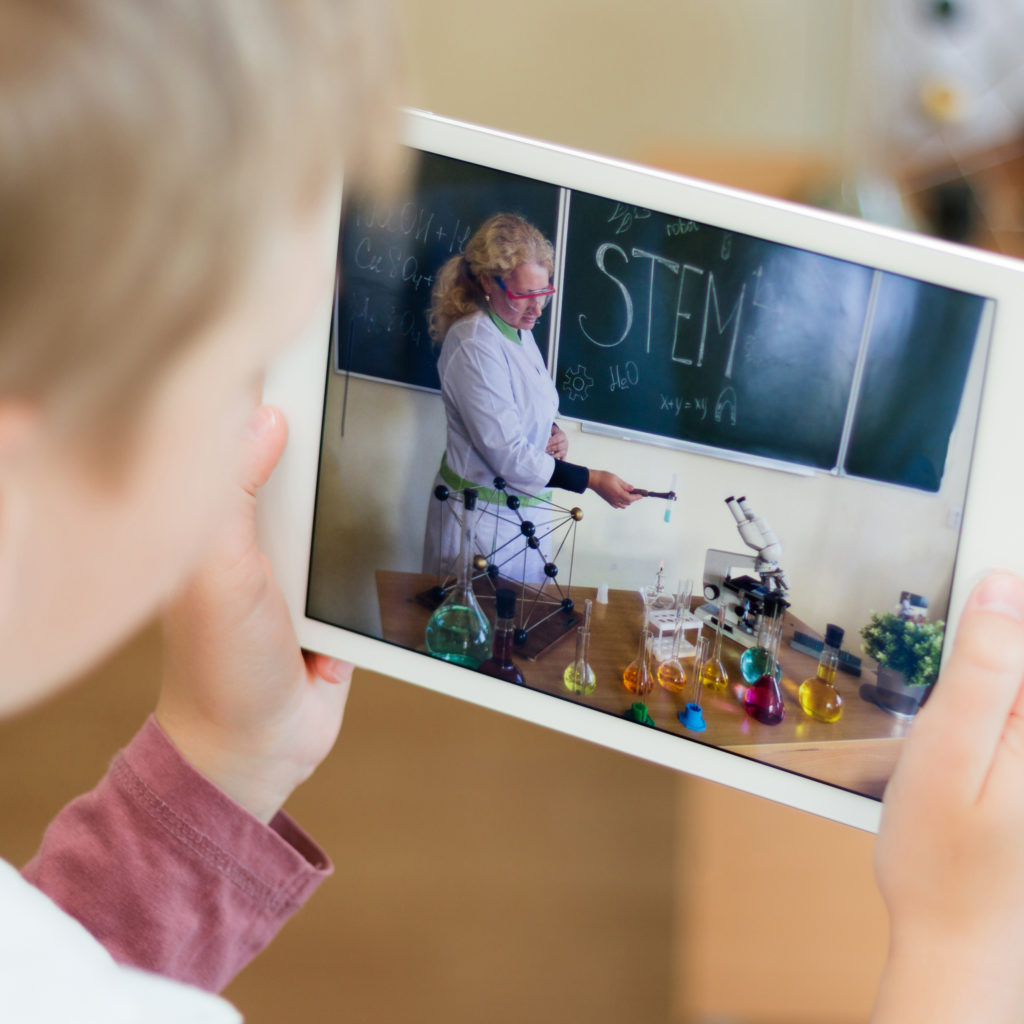
NSTEM supports classroom teachers and chapter advisors by offering flexible resources that can strengthen both in-person and virtual learning communities. The NSTEM™ model is adaptable and can complement the platforms and systems schools already use, including learning management systems, digital classrooms, project-based learning tools, and other instructional technologies.
As educators continue to navigate an expanding landscape of online resources, curriculum tools, and STEM platforms, it can be difficult to identify materials that are useful, age-appropriate, and easy to implement. NSTEM helps reduce this burden by offering access to curated, organized, and practical STEM resources that support student engagement, chapter programming, project-based learning, and social emotional development.
NSTEM also provides teachers and advisors with a broader professional community. Educators in member schools can exchange ideas, share successful chapter activities, collaborate on projects, and learn from one another’s experiences. This connectivity helps advisors feel supported while giving them tools to inspire students, recognize achievement, and build a strong culture of STEM excellence, inclusion, and belonging within their schools.
Community, Connectivity, and SEL Benefits for NSTEM Chapter Schools
Establishing an NSTEM Chapter provides schools with a powerful way to strengthen student engagement, expand extracurricular opportunities, and elevate the visibility of STEM education. A chapter creates a focused community within the larger school environment where students with similar interests can collaborate, lead, serve, and achieve together.
NSTEM chapters can also enhance a school’s reputation by showcasing student innovation, service, leadership, and academic excellence. Chapter projects may connect students with local businesses, nonprofits, universities, community organizations, and STEM professionals, helping students see how classroom learning applies to the world around them. These experiences also help students develop social emotional competencies such as confidence, empathy, responsibility, resilience, and purpose.
For schools in underserved communities, an NSTEM Chapter can provide an especially valuable service by offering students access to high-quality STEM enrichment, recognition, and belonging. By supporting meaningful afterschool, in-school, hybrid, or virtual STEM engagement, NSTEM helps schools build stronger learning communities and provide students with opportunities that may influence future academic pathways, career interests, leadership development, and personal growth.
Ultimately, NSTEM is committed to creating connections across classrooms, schools, communities, and STEM fields. By bringing students and educators together through shared purpose, accessible programming, meaningful recognition, and social emotional learning, the National STEM Honor Society helps build a connected community where STEM learners can thrive academically, socially, and emotionally.
National STEM Honor Society™ is deeply committed to environmental stewardship as a core organizational value. We believe sustainability is not only essential to operational excellence but also a fundamental part of our educational mission. By embedding responsible practices into our daily operations and programs, we model the values we teach and inspire students, advisors, and partners to take meaningful action for the planet.
Here is how we put that commitment into practice:
Innovation Project Hub – Environment & Sustainability: We maintain a dedicated Innovation Project Hub where chapters and students can explore, share, and collaborate on projects specifically focused on environmental challenges and sustainable solutions. This dynamic platform encourages creative STEM-based ideas that address climate change, pollution reduction, conservation, and sustainable technologies, fostering hands-on learning and innovation.
Environmental Sustainability Toolkit: NSTEM offers a comprehensive Environmental Sustainability Toolkit that equips students and chapter advisors with practical resources to turn STEM knowledge into measurable environmental impact. The toolkit guides members through identifying local environmental issues, designing structured projects, collecting and analyzing data, and evaluating outcomes. It includes templates, lesson plans, project frameworks, and strategies for implementation at school, home, and in the community. By connecting student work to the United Nations Sustainable Development Goals and providing tools such as the ARC platform from the U.S. Green Building Council, the toolkit helps chapters track energy, water, and waste metrics while building essential skills in leadership, research, communication, and project management.
Environmental Sustainability Tracker for Chapters: NSTEM provides chapter advisors with access to ARC, the U.S. Green Building Council’s professional environmental sustainability tracking platform. Through ARC, chapters can monitor and analyze key metrics including energy usage, water consumption, waste generation, and overall environmental performance within their schools or communities. This tool enables students to move beyond one-time projects and engage in ongoing, data-driven improvement. By using a platform widely adopted in industry and green building, chapters can set measurable goals, track progress over time, align with recognized sustainability benchmarks, and clearly demonstrate the real impact of their collective efforts.
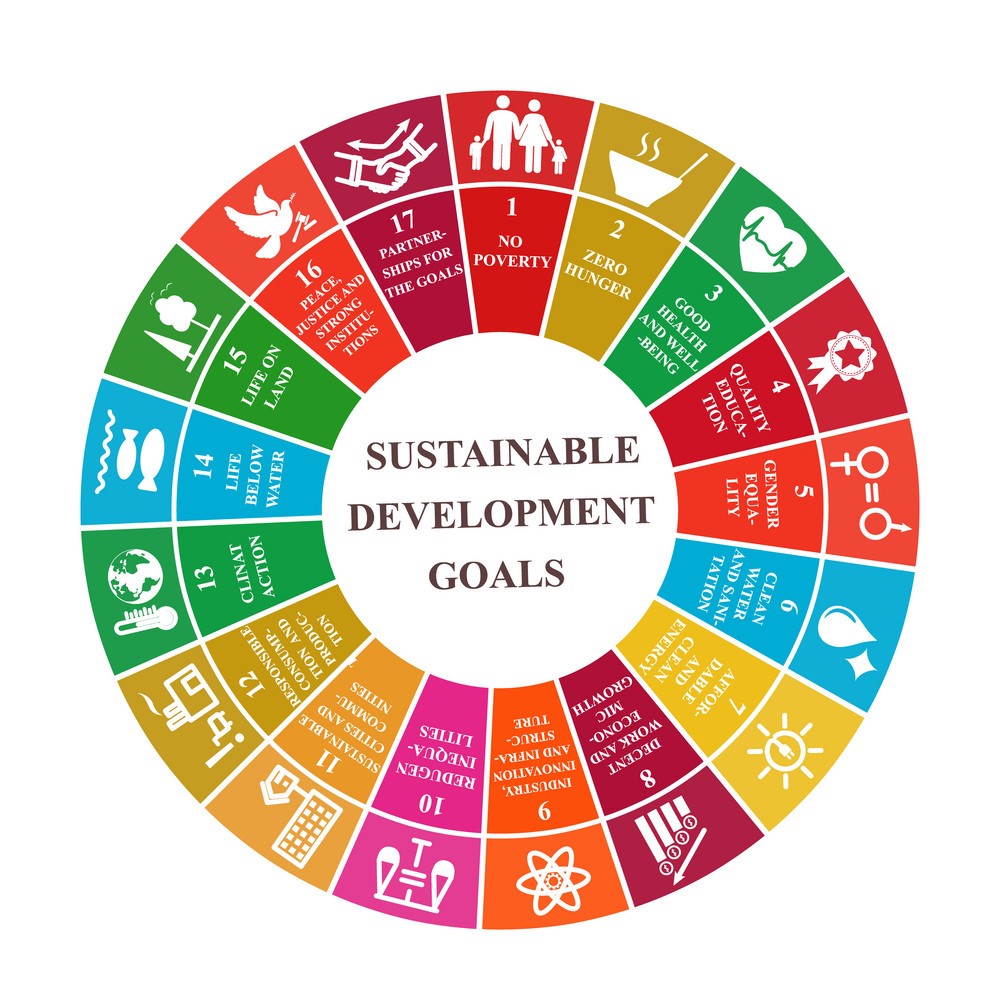
Alignment with the United Nations Sustainable Development Goals (SDGs): National STEM Honor Society actively aligns its programs, projects, and educational initiatives with the United Nations Sustainable Development Goals (SDGs). Through the many platforms we offer, students are guided to connect their STEM work to these global goals and are encouraged to develop projects that address real issues such as reducing plastic pollution, advancing clean energy solutions, promoting responsible consumption, and building climate resilience in their local communities. This alignment helps students understand how their local actions contribute to global change and prepares them to become the next generation of sustainability leaders. We place special emphasis on the following SDGs: SDG 3: Good Health and Well-being; SDG 4: Quality Education; SDG 5: Gender Equality; SDG 7: Affordable and Clean Energy; SDG 8: Decent Work and Economic Growth; SDG 9: Industry, Innovation and Infrastructure; SDG 11: Sustainable Cities and Communities; SDG 10: Reduced Inequalities; SDG 12: Responsible Consumption and Production; SDG 13: Climate Action; and SDG 17: Partnerships for the Goals.
Green Scholars Collaboration with Seaside Sustainability: We partner with Seaside Sustainability’s Green Scholars program, giving our students access to an extensive library of high-impact, real-world sustainability projects. These projects focus on critical topics such as marine debris, plastic pollution, coastal restoration, water quality testing, eelgrass monitoring, and citizen science. Through this collaboration, National STEM Honor Society students can participate in meaningful fieldwork and research while earning recognition for their contributions to environmental stewardship.
NSTEM Environmental Stewardship Badge: NSTEM recognizes and celebrates member sustainability projects by honoring chapters that take meaningful, real-world action to improve their communities. These projects may include reducing waste, promoting conservation, strengthening recycling practices, raising awareness about climate issues, and encouraging responsible everyday habits that support long-term environmental health. By successfully completing these initiatives, chapters earn official certification and recognition for their leadership, commitment, and ability to translate STEM knowledge into tangible community impact. This program not only highlights the important work students are already doing but also inspires greater engagement, creativity, and a lasting sense of responsibility and environmental stewardship.
NSTEM PBL Showcase – Environmental Sustainability Commitment Badge: Students whose Project-Based Learning (PBL) projects make a tangible contribution to environmental stewardship or sustainable practices in their communities can earn our Environmental Sustainability Commitment Certificate. This recognition celebrates student work shared during the annual PBL Showcase that directly supports a healthier planet and reinforces the real-world impact of their STEM efforts. It also serves as a valuable addition to college applications and resumes, highlighting students’ leadership in addressing pressing environmental challenges.
1% for the Planet Commitment: We proudly donate 1% of our gross annual income to environmental organizations through 1% For the Planet. A significant portion of these funds supports our ongoing partnership with Seaside Sustainability, directly advancing coastal protection, marine debris removal, and wetland restoration efforts along the Northeast coast. This financial commitment reflects our belief that businesses and educational organizations must actively invest in solutions to the environmental challenges we face.
NSTEM Resource Hub: The NSTEM Resource Hub is regularly updated with exclusive, high-quality materials on environmental topics and sustainable practices. These resources grants, scholarships, curriculum, internships/fellowships, online learning platforms, and more. They are carefully curated to support chapter members and advisors in developing effective sustainability initiatives, whether for classroom use, after-school programs, or large-scale chapter projects. The library continues to grow as we incorporate new tools and best practices from our partnerships and Chapters.
En‑ROADS Climate Solutions Simulator: NSTEM uses En-ROADS as an interactive climate education tool that helps students explore how different policy choices affect global warming, emissions, and long-term sustainability. By adjusting factors such as renewable energy, energy efficiency, electrification, carbon pricing, and land-use practices, students can see how each decision influences the climate system and learn that meaningful change usually comes from combining multiple solutions rather than relying on one fix. This makes En-ROADS especially valuable for NSTEM because it connects science, problem-solving, and environmental responsibility in a way that is both practical and engaging, allowing students to better understand the real-world impact of STEM-based climate action.
Carbon Offsets for Operations & AI Usage: National STEM Honor Society offsets 100% of the carbon emissions generated by our office operations and AI tool usage. We carefully calculate our digital and operational footprint — including energy used for servers, virtual meetings, and AI-assisted tasks — and neutralize it through verified carbon offset projects focused on reforestation, renewable energy, and habitat restoration. This ensures that our commitment to sustainability extends fully to the technology we rely on every day to support students and chapters worldwide.
Sustainable Purchasing, Merchandise & Waste Reduction: We prioritize sustainability across all purchasing decisions, from the products we sell to the materials we use internally. Our merchandise is intentionally limited and features items made from environmentally responsible materials such as organic cotton, recycled plastics, and responsibly sourced fabrics. We follow a formal sustainable purchasing policy that favors suppliers with strong environmental practices, products with recycled content, and minimal packaging, while avoiding single-use plastics whenever possible. Across all departments, we implement minimal-waste strategies, including recycling, composting, and conscious consumption, reinforcing our commitment to reducing environmental impact at every level.
Virtual-First Culture: We fully embrace a virtual workforce model. By encouraging remote work for our local, regional, and international team members, we significantly reduce commuting-related emissions, office energy consumption, and the need for large physical office spaces. This approach not only lowers our carbon footprint but also allows us to recruit talented staff and advisors from across the country and around the world, bringing diverse perspectives to our mission.
Green Website & Operations: Our website is hosted by Green Geeks, a company committed to 100% renewable energy and carbon offsetting. We also partner with a local web developer (smallfish design) that shares our sustainability values and operates with eco-friendly practices. In our main office, we use 100% green cleaning products and energy-efficient equipment to further reduce our environmental footprint and maintain a healthy workspace.
Paperless Operations: We operate almost entirely digitally, eliminating unnecessary paper use across internal communications, reporting, chapter resources, and administrative processes. When paper or cardstock is required, it is 100% made in the USA and certified by the Sustainable Forestry Initiative (SFI). This commitment has dramatically reduced our paper consumption and waste while setting a strong example for our chapters and students.