This toolkit is designed to help you turn your interest in environmental sustainability into meaningful, measurable action. As a member of NSTEM, you are not just learning about STEM—you are applying it to real-world challenges that affect your school, community, and beyond.
Environmental sustainability involves making decisions that protect resources, reduce environmental impact, and support long-term systems. Through STEM, you can analyze problems, design solutions, and evaluate what works.
This toolkit will help you:
- Turn ideas into structured, impactful projects
- Apply STEM knowledge to real-world situations
- Build leadership and project experience
- Connect environmental sustainability to future academic and career paths
Your role in NSTEM environmental sustainability is to use STEM to solve real problems in thoughtful, measurable ways.
This means you are working to:
- Make evidence-based decisions
- Design realistic and scalable solutions
- Collaborate to increase impact
- Lead initiatives that create lasting change
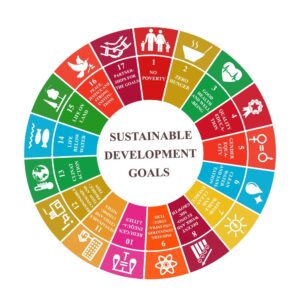
NSTEM supports global environmental sustainability efforts and encourages students to connect their work to international frameworks such as the United Nations Sustainable Development Goals (SDGs). These goals address critical challenges including climate action, clean energy, and responsible consumption. By aligning your projects with these global priorities, your work becomes part of a larger international effort to create a more sustainable future. This connection helps you understand the broader impact of your work while strengthening its relevance and purpose.
You do not need a large project to make an impact. The most effective work begins with observation and improvement.
At School
You can:
- Audit recycling bins to identify contamination and improve usage
- Redesign waste systems with clearer labels or better placement
- Reduce single-use items through student campaigns
- Conduct energy audits and suggest behavior changes
- Run initiatives like a “No-Waste Week” and measure results
At Home
You can:
- Track energy or water usage and identify patterns
- Measure weekly waste and reduce it over time
- Test small habit changes and calculate impact
- Encourage sustainable practices within your household
In Your Community
You can:
- Organize cleanups and analyze collected waste
- Partner with local organizations on ongoing efforts
- Lead workshops for younger students
- Create campaigns addressing local environmental issues
Focus on measurable change. Always ask: what improved?
Everything you do in environmental sustainability connects to STEM:
- Biology: ecosystems and biodiversity

- Chemistry: materials and pollution
- Engineering: efficient systems and design
- Computer Science: data tracking and modeling
- Math: analysis and prediction

Connecting your work to STEM strengthens both your understanding and impact.
To lead a project:
- Build a team and define roles
- Identify a specific, observable problem
- Collect baseline data
- Research and plan a solution
- Implement, track progress, and evaluate results
- Reflect and improve
This structured approach ensures meaningful and repeatable impact.
Strong projects involve planning, testing, and improvement.
Foundational Projects
- Recycling campaigns with before/after data
- “Plastic-Free Week” participation tracking
- Educational outreach with survey feedback
System-Based Projects
- Redesign recycling systems and measure improvement
- Start composting programs
- Conduct energy audits and present solutions
- Implement long-term efficiency changes
Advanced Projects
- Build prototypes (e.g., renewable energy models)
- Create apps or tracking tools
- Conduct environmental research and present findings
- Analyze long-term data and share results
All projects should include clear goals, measurable outcomes, and reflection.
Environmental sustainability is most impactful when it involves others.
You can:
- Build partnerships with organizations and schools
- Teach younger students through workshops
- Organize events and participation campaigns
- Create systems that continue beyond your involvement
- Focus on issues relevant to your community
Engagement transforms projects into lasting change.
Your work in environmental sustainability supports your growth by:
- Strengthening academic and college applications

- Providing real-world STEM experience
- Introducing career pathways in sustainability-related fields
- Building leadership and decision-making skills
- Increasing confidence through measurable impact
These experiences prepare you for future innovation and leadership.
You develop:
- Analytical and data interpretation skills
- Research and experimental design abilities
- Communication and presentation skills
- Leadership and project management skill
To evaluate your work:
- Define clear metrics (waste, energy, participation)
- Collect baseline data
- Track and analyze results
- Present findings clearly
Use tools such as:
- Spreadsheets for tracking and analysis
- Graphs and visuals for communication
- Design tools for outreach
- Coding tools for advanced projects
- Templates for planning and reporting
NSTEM provides advisors with access to tools such as ARC through the U.S. Green Building Council (USGBC) to support and track environmental sustainability efforts within chapters.

Through ARC, advisors and students can:
- Monitor environmental sustainability metrics such as energy use, water consumption, and waste reduction
- Collect and visualize data over time to better understand progress
- Identify areas for improvement and adjust projects accordingly
- Align school-based initiatives with recognized sustainability benchmarks
Using platforms like ARC allows your work to move beyond individual projects and into a structured system of measurement and accountability. It also provides a more professional, real-world approach to environmental sustainability tracking, similar to what is used in industry and city planning.
To expand your impact:
- Present your work clearly and confidently
- Use data to support your message
- Adapt communication to your audience
- Use visuals and storytelling
- Advocate for improvements based on evidence
Communication ensures your work influences others.
You have the ability to actively shape environmental sustainability.
Through NSTEM, you can identify problems, apply STEM solutions, and measure impact. What matters most is not just participation, but intention—using evidence, thinking critically, and striving for meaningful results.
Environmental sustainability is built through consistent effort and continuous improvement. The work you begin can grow, influence others, and create lasting change.
Focus on progress. Start where you are, measure your impact, and build from there. Each step strengthens your ability to lead, innovate, and contribute to a more sustainable future.