Author: Eric Magers

  • Top 10 Tech Trends In 2022

    Top 10 Tech Trends In 2022

    Digital change is constantly occurring, but even more so after the unexpected switch to remote working and schooling during the COVID-19 pandemic. The interest in digital communications and innovations skyrocketed due to the sudden need for a contactless world. There are numerous emerging technologies every year, but here are the top ten technology trends that will shape 2022.

    Image Credit
    • Computing Power

    As technology continues to grow, the need for faster and more secure communication has grown alongside it. The technology industry is seeing the growth in demand for speed and power in order to improve digital communication channels and other Internet-connected machines. 

    5G is the fifth generation of wireless technology and began spreading in mid-2019. 5G provides higher speed, lower latency, and greater capacity compared to the previously launched 4G network. This means devices will have quicker downloads and lower lag under 5G. 

    Now that 5G is becoming more universally used, there is only a matter of time before 6G launches. Wireless networks tend to launch every ten years, but 6G is already being tested. The goals of 6G is to include data analytics and AI to use with communication and data gathering within devices.

    • Smarter Devices

    Growing computer power naturally results in the creation of smarter devices. 5G can now be used to power connected cars, smart stadiums, and advanced gaming products. 

    Just about any device can now be online and connected. This is increasingly being seen in the medical field. There are remote medical devices that doctors can use to diagnose patients, some are even able to carry out surgeries remotely. Lots of medical equipment, including heart rate monitors and insulin pumps, are connected now which allow them to collect data for doctors to use in better understanding their patient’s conditions and lifestyles. 

    The use of connected devices will surely become more common as products advance and computing power becomes more capable.

    • Quantum Computing

    Quantum computing is a type of computation that uses quantum mechanics to calculate outputs. Quantum computing is different from classical computing because classical computers use key-like structures called bits, while quantum computers use nonlinear structures called qubits. In quantum computing, a change in the state of one qubit can result in an immediate change in others.

    The use of quantum computing will help people monitor, analyze, and act on data from any source at any time. What people can do with quantum computing will just continue to grow from here, potentially resulting in advancements in logistics, portfolio management and drug innovations.

    • Datafication

    Datafication refers to the tools used to turn an organization into a data-driven enterprise. Data makes all the trends on this list possible. As the world becomes more digitized, the amount of available data rises. 

    Data is extremely important in business to better understand customers, research trends, and gaining insight on the inside operations of organizations.

    • Artificial Intelligence

    As stated earlier, increased amounts of data and better computing power results in greater capabilities of AI. We can see AI increasingly being used in smart phones and smart TVs. They are useful in machine vision, or being able to recognize objects in videos and photographs. Language processing AI is advancing, helping people with translating languages and allowing communication between humans and machines.

    AI algorithms can be amazing at approaching individual tasks or tasks that have a small degree of variability. However, they do struggle with having to do more than one thing well so we are still far away from achieving human-level artificial intelligence.

    • Extended Reality

    Extended reality refers to the use of augmented reality which is when users’ physical world is enhanced with computer generated input. The phone game, Pokemon GO, is a well-known example of this. 

    There is also the creation of the metaverse, a virtual world that users can access through different devices and platforms. The metaverse focuses on growing virtual reality. There will be more advanced virtual reality headsets and hardware in 2022. There is potential for VR glasses and AR contact lenses.

    • Digital Trust

    Not only are there virtual worlds, but there is a virtual economy! Digital trust refers to the trust needed to act in the global economy that is reliant on connectivity, data use, and technologies. 

    This economy involves cryptocurrency, like Bitcoin, and digital ownership of things like NFTs. Companies are enhancing physical objects by using blockchain technology and tokens. The usage of this digital economy will grow in 2022, so companies will likely be working harder to grow the trust customers have in this digital forum. 

    • 3D Printing

    Amazingly, it is possible to create three dimensional solid objects solely from a digital file. The use of 3D printing is becoming more common. Plenty of STEM-based schools already use 3D printing to further studies in technology.

    3D printing uses additive manufacturing. This means an object is created by adding layers of materials down until the object is fully created. When looking at the finished product, the layers can be seen as a thinly sliced cross-section of an object.

    The types of objects that can be manufactured will continue to expand, including the creation of concrete, furniture, dental products, and prosthetics. 

    • Genomics

    Emmanuelle Charpentier and Jennifer A. Doudna are scientists that were awarded the 2020 Nobel Prize in Chemistry due to their development of a method used for genome editing. 

    Genome editing gives scientists the ability to change an organism’s DNA. Being able to remove, add, or replace DNA can be beneficial in treating diseases with a genomic basis, like cancer or diabetes. 

    • New Energy Solutions

    Climate change is getting worse so there continues to be innovations in turning away from the use of fossil fuels to the use of renewable alternatives. Many companies are expanding their use of solar and wind power which provide zero-carbon electricity. 

    The ongoing advances in engineering will bring more powerful photovoltaic panels used for solar power and stronger turbine blades used in hydro and wind power generation. 

    These energy trends will likely result in allowing people to power cars, ships, planes, trains, and more with cleaner and more sustainable energy. 

    Image Credit


    These are the key tech trends that you should be on the lookout for so you can be aware of what the future holds for technology!


    Written By: Amanda Aber

    Date: April 14, 2022

    Resources:

    https://www.weforum.org/projects/digital-trust

    https://www.techtarget.com/searchnetworking/definition/6G#:~:text=6G%20(sixth%2Dgeneration%20wireless),support%20one%20microsecond%2Dlatency%20communication

    https://www.forbes.com/sites/bernardmarr/2021/12/13/the-5-biggest-internet-of-things-iot-trends-in-2022/?sh=24000f355aba

    https://www.forbes.com/sites/bernardmarr/2022/02/21/the-top-10-tech-trends-in-2022-everyone-must-be-ready-for-now/?sh=33ce9bd827df

    https://www.forbes.com/sites/bernardmarr/2022/01/07/the-5-biggest-virtual-augmented-and-mixed-reality-trends-in-2022/?sh=558fe94b4542

    https://www.forbes.com/sites/bernardmarr/2022/03/01/the-five-biggest-new-energy-trends-in-2022/?sh=782596eaba57

    https://www.lightreading.com/6g/from-5g-to-6g-what-could-it-look-like/a/d-id/767711

    https://www.forbes.com/sites/danielnewman/2022/01/10/quantum-computing-expanded-in-2021-setting-up-a-big-2022/?sh=219cbe34581b

    https://www.cnbc.com/2022/01/07/deep-learning-and-large-language-how-ai-is-set-to-evolve-in-2022.html

    https://3dprinting.com/what-is-3d-printing/

    https://www.verizon.com/about/our-company/5g/what-5g

    https://www.genome.gov/about-genomics/policy-issues/what-is-Genome-Editing

    https://research.aimultiple.com/future-of-quantum-computing/
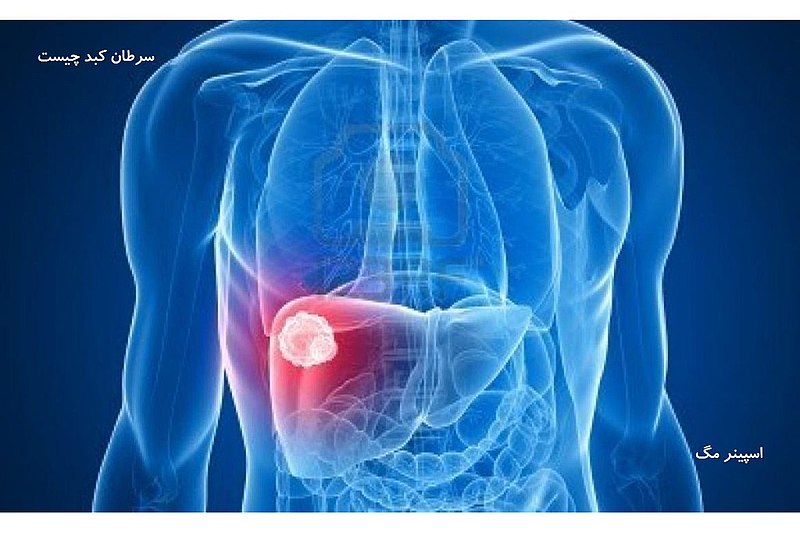
  • Tumors partially destroyed with sound waves don’t come back

    Tumors partially destroyed with sound waves don’t come back

    Image Credits

    A study at the University of Michigan was conducted using a relatively new noninvasive technique that claims to get rid of cancerous liver tumors called histotripsy. The study revealed that the sound technology used in histotripsy was able to successfully destroy 50 to 75 percent of cancerous liver tumor mass.

    The university’s study, performed on rats, showed that their technology was able to break down the tumors in rats and kill cancer cells. It even boosted the rats’ immune systems to prevent future recurrence; over 80 percent of the rats that underwent the treatment did not show any signs of the tumor coming back.

    Their treatment, histotripsy, was first developed in the early 2000s. It uses ultrasound waves to destroy the target tissue with millimeter precision, in a way that is much more noninvasive and safer than other cancer treatments. Even without destroying the entire tumor, the technique destroys the majority and allows the body’s immune system to eliminate the rest. It also boosts the immune system so that there is a lower chance of the tumors coming back. To target these tissues with such precision, histotripsy uses microsecond long pulses from a transducer to generate microbubbles within the tissues. The bubbles rapidly expand and collapse, killing the cancer cells and breaking up the tumor’s structure.

    Image Credits

    While ultrasounds are usually used to create pictures of the inside of a body, such as a pregnancy ultrasound, scientists at the University of Michigan have pioneered them to be used for treatment. Their technology is currently being used in a human liver cancer trial in the US and Europe. Researchers are also studying how this technique can be used to treat strokes.

    Liver cancer is one of the top 10 causes of cancer-related deaths worldwide. In the US, the five year survival rate is less than 18 percent and there is also a high chance of tumor recurrence. According to experts, histotripsy seems to be a very promising way to treat liver cancer, as it is able to overcome many past limitations and it is more safe and noninvasive to the body.

    Written by: Vivien Chen

    April 29, 2022

    Sources

  • World Water Day

    How clean is the water that you use? Water is the world’s most precious resource, but not everyone has equal access to safe water. World Water Day aims to raise awareness of the 2.2 billion people currently living without access to clean water. This day encourages people to take water and sanitation safety measures to attack poverty, promote economic growth, and maintain environmental sustainability.

    Image Credit

    Why Do We Need World Water Day?

    The idea for World Water Day was proposed at the United Nations Conference on Environment and Development in Rio de Janeiro in 1992. The United Nations General Assembly announced that March 22nd would be celebrated as World Water Day every year starting in 1993. The focus of World Water Day is to reach the Sustainable Development Goal 6: water and sanitation for all by 2030.

    Reaching this goal is important because of the health risks unsafe water can cause. Many diarrheal diseases are spread through unsafe water and sanitation, including typhoid fever and cholera. Diseases like these often have outbreaks in low-resource countries, leading to the sickness of millions and even causing the deaths of thousands every year. To prevent diarrheal diseases, developing water and sanitation systems are needed to keep dangerous germs out of water and food.  

    Clean water and sanitation has also been effective in preventing the spread of COVID-19. Actively washing your hands with clean water and soap is important in preventing the spread of germs. Since many people do not have access to basic necessities, like soap and water, World Water Day is essential in helping people all around the world.

    “Making The Invisible Visible”

    Every year, World Water Day has a theme or focus. In 2022, the focus of World Water Day is groundwater. Groundwater is a resource found in the formations of rocks, sands, and gravels. Groundwater is water that is recharged from rain and snowfall.

    Being that groundwater is within Earth’s surface, it is known as an invisible resource. This year’s theme aims to make this invisible resource “visible” to the public to highlight its value. Many dry areas around the world depend solely on groundwater. Groundwater is crucial for drinking, sanitation, food production, and industrial processes. 

    Groundwater is extracted through the use of pumps or wells. However, overexploitation of groundwater is dangerous as it plays a key role in maintaining a healthy functioning ecosystem. It is vital that we protect groundwater from harsh products used on the surface and use groundwater sustainably to survive.

    What To Do On World Water Day

    Starting from 1993, there have been many events and celebrations for World Water Day that you can participate in. On March 22, 2022, an event will be in commemoration of World Water Day in Dakar, Senegal. Prominent water sector leaders will present findings in the UN World Water Development Report 2022 at the 9th World Water Forum.

    To celebrate the day, you can help raise awareness in your community. You can organize a fundraiser and donate to one of the many organizations working to protect water quality and availability. For example, Save the Children has a program where you can donate money to provide vulnerable children with a clean water kit or a new water pump. 

    There is also a fun one minute challenge you can partake in this year! To match with the theme, you can shoot a 60 second video speaking about how groundwater affects your life and what you think needs to be done to protect it.

    Image Credit

    Most importantly, protect those around you from diseases by actively washing your hands and make sure to avoid wasting water by turning off the faucet when you are not using it. Make sure to spread the word on water-related issues and take the time to check out the official 2022 development report on World Water Day!

    Written By: Amanda Aber

    Date: March 20, 2022

    Sources

    https://www.cdc.gov/healthywater/drinking/world-water-day.html

    https://www.worldwaterday.org/stories-2021/story/commemoration-event-world-water-day-2022

    https://www.worldwaterday.org/learn

    https://www.un.org/en/observances/water-day

    https://www.savethechildren.org/us/charity-stories/world-water-day

  • Brain Awareness Week

    Brain Awareness Week

    Image Credit

    What is Brain Awareness Week?

    Brain Awareness Week strives to promote brain science and research to people around the world. Many schools, medical facilities, and organizations across the globe participate every year. It takes place annually on the third week of March. This year, it lasts from March 14 to March 20, 2022. 

    The main goal of Brain Awareness Week is to educate and interest people on how the brain operates and the research that goes into studying the brain. Brain research aims to create treatments, preventions, and cures for people affected by brain disorders and diseases. Brain Awareness Week also connects people all over the world with a shared interest in brain science. 

    The brain is the most complex organ in the human body. From breathing to solving a difficult math problem, the brain pretty much controls everything we do. Scientists and medical professionals today are still exploring and trying to understand the brain better. They use advanced devices like magnetic resonance imaging (M.R.I) and positron emission tomography (P.E.T.) to learn more about it. Brain research has the potential to unlock groundbreaking discoveries about the brain and help improve the lives of many people with brain disorders. Some prominent diseases that researchers are trying to learn more about include Alzheimer’s and Parkinson’s disease. People can learn all about it through fun activities during Brain Awareness Week. 

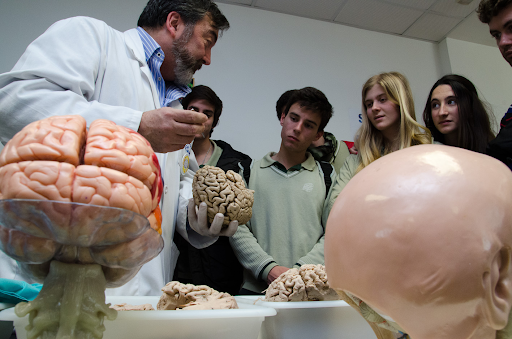
    Brain Awareness Week was launched in 1996 by the Dana Alliance of Brain Initiatives, an alliance of neuroscientists created by the Dana Foundation dedicated to advance public knowledge of brain research. In only 26 years, the campaign has gained 7,300 partners in 120 different countries. Partners organize events during the week to get people involved and excited about brain science, such as lectures, experiments, labs, and public displays.

    Image Credit

    In 2021, there were events hosted by Brain Awareness Week partners in over 45 countries and 35 states. This included open houses and tours at neuroscience laboratories, universities sharing their research, and even a video-making contest open to all to promote brain awareness. 

    From young children, to teenagers, to adults, everyone has a chance to learn something fun and new at Brain Awareness Week.

    How do I get involved?

    1. Reach out to your school and local organizations to see if they participate in Brain Awareness Week! You can encourage organizations to become Brain Awareness Week partners here. As a partner, you can organize activities and events for everyone in your community and get them excited to learn about the brain. You can invite a professional to talk about brain science, gather people to create an art display about the brain, or have educational games. The possibilities are only limited to your own imagination. 
    2. Participate in nationwide or global events open to all such as online university lectures and activities hosted by corporations, or check out the Brain Awareness Week social media
    3. Learn about the brain! There are plenty of online resources and books about the brain, as well as educational events like webinars provided during Brain Awareness Week. Educate yourself and learn fun facts about this incredible and complex organ. 

    Even better, if you are passionate about brain science, participate in year-round brain awareness events. To get started, you can check out events from the Dana Foundation. Help spread the word about brain science and pave the way for future scientists and discoveries!

    Written By: Viven Chen

    Date: March 20, 2022

    Sources

  • Eye Imaging May Be the Key to Better Automated Vehicles

    Eye Imaging May Be the Key to Better Automated Vehicles

    Optical Coherence Tomography is a technology developed in the 90’s which can be found in the offices of eye doctors. However, engineers believe it may hold the key to improving the “vision” of self-driving technology and other autonomous systems (ScienceDaily).

    Light Detection and Ranging, or LiDAR for short, is a system that works similarly to radar, except it uses lasers and light instead of soundwaves to determine the positions of objects. Many engineers are incorporating LiDAR into their driverless systems and robotics, but the technology is not without its drawbacks and limitations. One such drawback is that it is prone to picking up interference. LiDAR depends on being able to detect weak reflected light signals, and other light sources such as sunlight and other LiDAR systems can interfere with the system and cause the detector to become overwhelmed. It is also limited in its ability to scan large areas and may take a long time to fully scan a highway where split-second sensing is a necessity for safety (ScienceDaily).

    Image Credit

    A new form of LiDAR, however, is slowly taking the robotics and driverless car industry by storm. Frequency-modulated continuous wave LiDAR, or FMCW LiDAR, sends out a laser which is constantly changing frequencies, allowing the detector to distinguish it from other light sources via the specific frequency pattern. Interestingly, FMCW LiDAR uses the same working principle as Optical Coherence Tomography, or OCT. OCT sends light waves into objects and measures how much the light’s phase has shifted in order to determine how much time it takes for the light to reflect back (ScienceDaily).

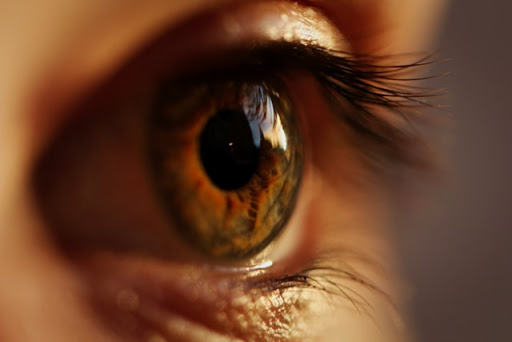
    With only a few tweaks, the technology, which is used by ophthalmologists to take cross-section pictures of a retina (AAO), can be used on a larger scale, optimizing the technology for use in driverless vehicles and other automated technologies. It is able to work in different lighting conditions, which would be impossible for a normal LiDAR system to accomplish, and it is able to process data much faster. The system is accurate and fast enough to capture the detailed movement of the human body like the clenching of a fist in real-time (ScienceDaily).

    Image Credit

    The technology will help robots and automated systems reach a practical level of object detection so that they can safely carry out their functions. Engineers hope that FMCW LiDAR-based three-dimensional cameras will become more and more prevalent in the world of automated technology over the coming years as more research is carried out (ScienceDaily).

    Written by: Matthew Jenkins

    Date: May 9th, 2022

    Sources:

    https://www.sciencedaily.com/releases/2022/03/220329114712.htm

    https://www.aao.org/eye-health/treatments/what-is-optical-coherence-tomography

  • Autism Awareness Month

    Autism Awareness Month

    Autism Spectrum Disorder (ASD) is estimated to affect one in 68 children. It’s a diagnosis that wasn’t well-understood or extensively researched until the late 20th century (massgeneral). ASD affects the way a person communicates, behaves, and interacts with other people, and everyone with ASD experiences it differently. Some people diagnosed with ASD can live fully independent lives with little to no support from others while some others require daily assistance (CDC). It’s a complex disorder that many people have misconceptions about. Since the month of April is Autism Acceptance Month (formerly called Autism Awareness Month), let’s take a moment to better understand what it means to live with ASD (Autism Society).

    Image source

    It’s a common myth that Autism Spectrum Disorder is caused by the parents of the diagnosed child. Research has shown that, although the exact causes of ASD are unknown, parental behavior at any stage of the child’s development before or after birth is definitely not a cause of ASD (massgeneral).

    Autism Spectrum Disorder, as mentioned before, is not the same for everyone who is diagnosed. Though many people associate certain behaviors such as lack of eye-contact or verbal communication with ASD (massgeneral), these behaviors don’t necessarily appear in everyone diagnosed with ASD. Some people with ASD may have excellent communication skills or some may experience a deficit in certain skills (CDC).

    Studies show that there are differences in how males and females experience autism spectrum disorder. As a result of this, many female children often go undiagnosed until later stages in life compared to male children. Autism Spectrum Disorder continues to be understudied in how it affects females (massgeneral).

    Signs of Autism Spectrum Disorder often appear before the age of three and can appear as early as 12 months (CDC). Early diagnosis has been shown to have positive effects on the development of some children with ASD. As stated by MassGeneral for Children, “The earlier autism spectrum disorder is diagnosed and treated, the better. Outcomes for children’s lives are significantly improved with early diagnosis and treatment. (massgeneral)”

    Image source

    In the United States, once someone with Autism Spectrum Disorder reaches adulthood, many of the services guaranteed to them as children disappear, leaving them and their families unassisted in later stages of life. This abrupt change can make those affected by Autism Spectrum Disorder feel overwhelmed (massgeneral).

    As of right now, there is no medical detection for Autism Spectrum Disorder. To diagnose ASD in children, a child neurologist, child psychologist, or a developmental pediatrician will complete an in-depth evaluation and provide a diagnosis when appropriate. Parents who believe their child may have ASD should also call their state’s public early childhood system for a free evaluation to determine if their child qualifies for intervention services. Parents don’t need to wait for a diagnosis to make this call. Early intervention may help improve the child’s development (CDC).

    A diagnosis of Autism Spectrum Disorder is by no means a definitive sentencing to a more difficult life. People diagnosed with ASD have the potential to lead rich and fulfilling lives alongside friends, family, and colleagues. The best way that we can become sources of support for someone with ASD is to educate ourselves on what it means to have ASD and therefore better understand how to help someone with the disorder.

    Written by: Matthew Jenkins

    Date: May 7th, 2022

    Sources:

    https://www.massgeneral.org/children/autism/lurie-center/30-facts-to-know-about-autism-spectrum-disorder

    https://www.cdc.gov/ncbddd/autism/facts.html

    https://www.autism-society.org/releases/media-urged-to-recognize-shift-from-autism-awareness-month-to-autism-acceptance-month-this-april/