by Tessa Dodson
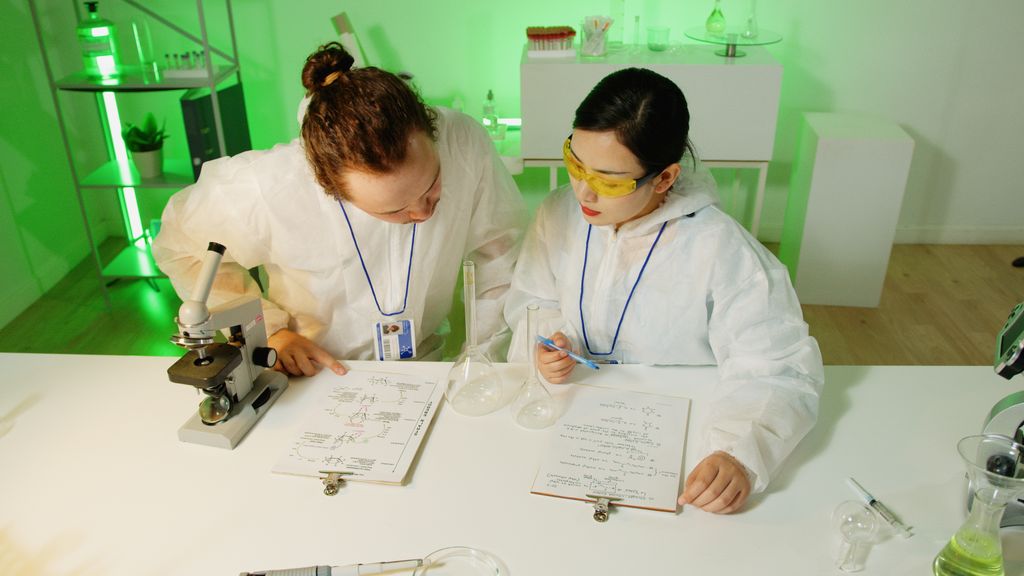
Science, technology, engineering and mathematics (STEM) shape much of the modern world,
from everyday technology to the systems that keep communities running and helping to solve
global challenges. While you might be familiar with common STEM careers, many other paths
receive far less attention but are just as impactful. These lesser-known roles often combine
multiple disciplines and offer unique ways to apply STEM in real-world settings.
Rethinking STEM Careers
If you think STEM careers are limited to doctors, engineers or software developers, you’re only
seeing a small part of the picture. In reality, STEM spans a wide network of specialized and
rapidly evolving fields that shape the world as we know it. About 25% of the U.S. workforce is in
STEM fields. Many of these careers are rarely discussed in classrooms, yet they play a critical role in fields
such as climate science, space exploration, environmental protection and data-driven decision-
making.
Geospatial Intelligence Analyst
A geospatial intelligence analyst works with mapping systems, satellite images and location-
based data to understand what is happening on Earth in real time. Instead of simply looking at
maps, they interpret patterns that reveal changes in environments, infrastructure, or natural
events. This might involve identifying damage after earthquakes or helping urban planners
develop sustainable urban environments.
STEM knowledge becomes essential when working with geographic information systems,
remote sensing tools and spatial data modeling. The analysts collect information and turn
complex visual data into insights that decision-makers can use. For example, geospatial
intelligence has been essential in mapping the spread of COVID-19 to help track and manage it
Medical Transcriptionist
If you’re looking for a medical career but would prefer one with almost no math, a medical
transcriptionist might be a good career to consider. This is the healthcare career with the least
math involved, yet it is still challenging enough to be interesting. Medical transcribers focus on accuracy, attention to detail and strong listening skills. They need a solid understanding of medical terminology and healthcare procedures. Medical transcription involves converting voice recordings from physicians and other healthcare professionals into clear, written documents. The transcriber may also review and edit medical reports, organize patient records and create summaries to ensure documentation remains accurate. STEM skills are applied when medical transcribers use transcription software, interpret medical language and manage digital health records. The ability to apply technical tools and maintain precision helps ensure that patient information is correctly documented.
Conservation Technician
Conservation technicians bring modern technology into environmental protection efforts,
including designing or operating drones to survey wildlife, deploying sensor networks in forests,
and using artificial intelligence to analyze ecological data. This career helps preserve nature by
empowering conservationists worldwide with the tools they need to identify, monitor and track
wildlife.
For this role, STEM skills apply directly to robotics, programming, environmental science and
data analytics. For example, a technician might build systems to detect illegal logging activity or
use their digital skills to analyze multi-terabyte environmental datasets on air quality from
satellite, modeled and sensor data.
Food Systems Engineer
Food systems engineers design and improve the systems that produce, process, store and
distribute food safely and efficiently. They might work on developing more efficient refrigeration
systems, improving packaging methods to reduce waste or designing automated farming
technologies to increase crop yields.
A STEM background is valuable in chemical engineering, mechanical systems and supply chain
data modeling. Food system engineers also support the transition to sustainable food and
agriculture, ensuring global food security and protecting the ecosystems on which agriculture
depends.
Materials Scientist
Materials scientists study the properties, structure and performance of different materials to
understand how they can be improved or used in new ways. The work may involve testing
metals, plastics, ceramics, chemicals or other substances to develop materials that are
stronger, lighter, safer or more efficient for specific applications.
A STEM background plays a major role in this career, especially through chemistry, physics,
engineering and data analysis. Materials scientists might help develop more durable
construction materials, improve electronic devices, develop sustainable packaging, or design
materials for healthcare and renewable energy systems.
Materials scientists are involved in a wide range of industries, including manufacturing,
technology, transportation and environmental research. For example, some of these
professionals help NASA send someone into space by making materials that can withstand
extreme conditions and temperatures.
Finding Your Place in the World of STEM
When you explore STEM careers, it becomes clear that the field extends far beyond the
traditional roles that most people recognize. Many of the most exciting opportunities exist in
specialized areas where multiple disciplines overlap, allowing you to apply your skills in creative
and impactful ways. As the future of STEM is constantly expanding, you have the chance to
grow with it.