Author: Eric Magers

  • How COVID-19 Negatively Impacted Students’ Health

    How COVID-19 Negatively Impacted Students’ Health

    Image Credits

    Coronavirus has forced people worldwide to create extraordinary solutions, but students have had to perform the impossible, using virtual and even socially distanced learning to work through extraordinary circumstances! Aside from their workload and long days of classes, living through such an unusual time has put a lot of pressure on students’ mental and physical health. During such an important period in their lives, it is essential for steps to be taken to improve their impacted health and academics.

    School During the Pandemic

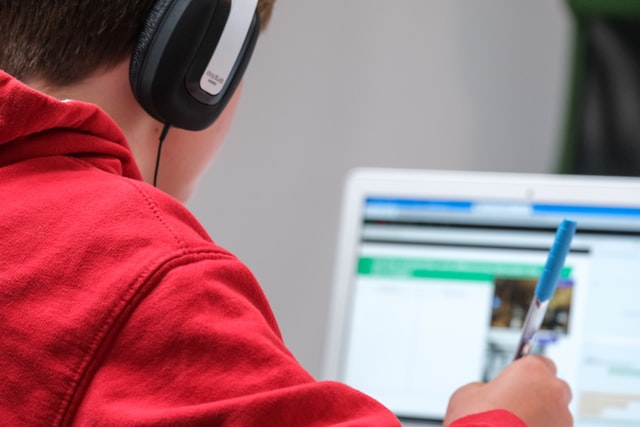
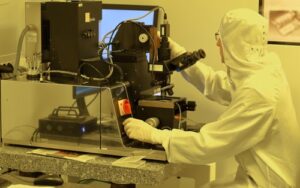
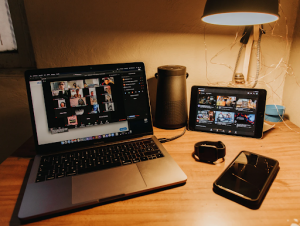
    Schools have had to adapt their teaching methods constantly as social distancing protocols change. When schools had to close and move entirely to remote learning, it was difficult for the teachers to sort out their curriculum and for the students to access or understand technology. Using technology constantly, with little movement and face-to-face interaction, was a huge detriment to the students’ well-being. Later on, as many students transitioned back to in-person learning, following COVID requirements and readjusting to the unstable learning environment was a new challenge for students’ abilities to focus. 

    Image Credits

    Mental Health

    Aside from the challenges of surviving the global pandemic itself, learning in an unusual space has been its own challenge. Many students have experienced loneliness, a lack of focus, increased stress, and a general decline in mental health. About 56% of young adults reported symptoms of anxiety or depression over the past year. The incorporation of in-person learning has had a positive impact, but excessive screen time and social distancing requirements have made it more difficult to socialize with one another and interact with their teachers as well. 

    Physical Health

    Image Credits

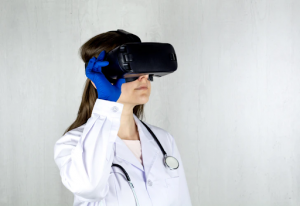
    Although a majority of students usually participate in some form of physical activity, online learning from home and lockdown has made it difficult for students to move as much as during a regular school day. In addition, limitation of intramural sporting events and school sports has made it harder for students to both socialize outside of classes and engage in a healthy amount of physical activity. As restrictions are lifted in many places, there are increasing opportunities for students to exercise, but social distancing and rescheduling are only a few of the obstacles standing in their way. 

    There have been many difficulties for students working through these unprecedented times, but they have been working to overcome the hurdles in their way and create new forms of learning, like Zoom and Google Meets. Students and teachers alike have been working towards improvement that has been necessary since before the pandemic. As the world continues to deal with the effects of the coronavirus, students will continue to be impacted negatively but there will also definitely be positive changes for students around the world as well.

    Written By : Emma Schlosser
    Your NSTEM Journey Begins Here!

  • Bringing a Career Fair to the Classroom

    Bringing a Career Fair to the Classroom

    Not all schools are able to have career fairs but it is crucial for students to know about different careers, especially in STEM. This is important because so many STEM jobs are unfilled by possible employees. It is critical that students know about the various STEM jobs that are available in the workforce.

    person at laptop
    Image by Christin Hume

    The following are the top STEM majors according to the US News & World Report. If you could explore each of these majors with your students and recommend some of them, your students would benefit.

    1. Computer Systems Administrator: Their job is to make sure that computer networks are up to par.
    2. Computer Network Architect: This career is pretty self explanatory! Computer Network Architect’s create and design computer networks.
    3. Web Developers: In this job, web developers create and design websites.
    4. Database Administrator: Their job is to design databases and make sure they work well.
    5. Political Scientist: Political Scientists study the polls and everything related to elections and politics.
    6. School Psychologist: This career is geared towards working with children who suffer from mental illness, mental health issues and disabilities related to learning.
    7. Mechanical Engineering: Mechanical Engineers study, build and test mechanical systems and devices.
    8. Information Security Assistant: Their work involves creating networks that are secure and safe from hacking and other related threats.
    9. Psychologist: In this career, psychologists study the brain and provide therapy for clients.
    10. Civil Engineering: Their job is to work with construction companies on projects like bridges.
    11. Operations Research Analyst: These workers study budgets of companies to figure out what works using mathematical models.
    12. Actuary: This job involves studying the risk of different companies.
    13. Medical and Health Services Manager: In this job, the workers help facilities that provide medical practices to work well.
    14. IT Manager: Their work is to manage the information technology of companies.
    15. Computer Systems Analyst: Computer Systems Analysts help in the evaluation of computer systems of the company.
    16. Cartographer: This work involves creating different maps, including digital maps.
    17. Mathematician: Mathematicians use mathematics to work on projects.
    18. Pediatrician: Their job is to provide medical practices for babies, toddlers, kids and teenagers.
    19. Nurse Practitioner: Another career where the workers also provide medical care.
    20. Orthodontist: A job in this career entails providing dental care to patients.
    21. Nurse Anesthetist: This job uses medications to help prevent pain in medical practices, such as surgery.
    22. Dentist: Dentists also provide dental care to patients.
    23. Physician Assistant: Physician Assistants work under medical doctors to provide medical care.
    24. Statistician: This job relies on data to understand different subjects.
    25. Software Developer: This work focuses on creating computer programs.

    Along with this list, it’s also important to provide information about all of the different types of Engineering. The different types include: Biomedical Engineering, Neural Engineering, Electrical Engineering, and Chemical Engineering.

    power tower
    Image by Shane Rounce

    Finally, a Career Fair in the classroom may be even more beneficial if you invite speakers who work in these fields. This allows students to ask questions and gain a better understanding of what each career entails. If it is difficult for you to find employees, another possibility is to Skype with people from all around the world. You could also talk about famous people in each field or create a project in which the students research each field or people in each field.

    Written by: Chelsea Kowal

    Your NSTEM Journey Begins Here!

  • How Climate Change has Devastated Latin America

    How Climate Change has Devastated Latin America

    Much of the discourse surrounding climate change is centered in the U.S. However, everyone is affected by it whether they like it or not. So, today, we’re going to take a look at one of the other Americas: Latin America.

    Photo by Chris LeBoutillier

    They are largely overlooked even though climate change has hit them hard. Latin America has seen the effects of deforestation, heat-trapping emissions, and bouts of extreme weather. 

    Let’s take a look into what these effects are, why they happen, and what we can do next. 

    Weather

    In the span of 13 years (2000-2013), Latin America experienced 613 extreme climate and weather events. Among these were hurricanes, thunderstorms, hailstorms, tornadoes, blizzards, avalanches, tropical storms, and more. These events have resulted in the devastation of land, businesses, and homes. Additionally, it has resulted in the displacement of people, families, and facilities. 

    On the other side of the coin, researchers predict increased drought conditions in Amazonia, Brazil, Central America, and some parts of other regions. Of course, this creates even more of a concern for the people of Latin America. It also threatens the Amazon rainforest as it could kill many of the flora, and in turn, the fauna. 

    Water

    A large proportion of Latin America’s population lives on the coast, and the sea levels are rising at an alarming rate. In the next 60 years, the ocean could ride anywhere between one and four more feet. 

    Scientists have documented eroding shorelines, rising water temperatures, and ocean acidification. Shoreline erosion negatively affects sea turtles in their ability to reproduce and nest. On the other hand, rising temperatures cause coral bleaching — affecting coral reefs and the wildlife it sustains. 

    Ocean acidification is caused by increased CO2 in the water supply. This process affects the coral reefs, but it also affects Latin America’s drinking supply. 

    Environmental damage directly affects the population within it. It may seem to lead only to small, incremental damage. Eventually, it will catch up with the people living off of said environment, and it’s better to intervene now rather than when it’s too late. 

    Photo by William Bossen

    What Now?

    Climate change is a daunting topic, but it’s not a topic we can continue to ignore. Our planet is experiencing catastrophic changes across the globe. From fires to floods and to droughts, the Earth needs our help, and it starts with you. 

    Citizens are taking initiatives to manage deforestation in Latin America. For example, Costa Rica is one region that has made tremendous strides. Not only is 96% of their electricity sourced with renewable energy, but they increased their forest area by 10% in the last 10 years. 

    Brazil is making progress, too. According to public satellite photos, Brazil reduced the deforestation of the Amazon, and in turn, lowered their heat-trapping emissions. It’s also reported that these emissions were lowered further than any other country in the world.

    If organizing isn’t an option for you, there are actions you can take locally, individually, and in your workspace. NSTEM has several articles on sustainability to get you started (and several more in the works!). Just click here and here

    Written by Emily Hyser

    Your NSTEM Journey Begins Here!

  • 10 Summer STEM Programs for Middle Schoolers

    10 Summer STEM Programs for Middle Schoolers

    As summer approaches, it also brings forth a lot of new opportunities for middle schoolers in particular. Especially for those interested in STEM, there’s a large number of programs available that delve into every aspect of science, technology, engineering, and math. One of the best ways to explore STEM beyond the boundaries of a classroom is through these engaging summer programs. These programs provide an in-depth learning experience and offer a glimpse into different career paths. 

    iD Tech

    This is a technology camp focused on coding, robotics, and game development/design. Anyone between the ages of 7 to 19 is eligible to participate. These iD STEM camps are an amazing opportunity to help expand your knowledge and learn from incredible teachers while enjoying your summer at prestigious universities. Not only that, students will also be able to advance their skills quickly and join a community of 500,000 aspiring innovators.

    Photo by Eliott Reyna 

    NextWave STEM

    This program offers various STEM courses for children of all ages to explore. Their primary focus lies in emerging technologies. Therefore, they offer courses related to drones, robotics, 3D technologies, and artificial intelligence. Additionally, they incorporate project-based learning into their curriculum. Their classes are designed to help improve critical thinking, creativity, communication, and collaboration skills. Their mission is to ignite a passion for learning that will lead to better grades and increased opportunities throughout their education and career. 

    MakerKids

    MakerKids offers virtual summer STEM courses for kids between the ages of 6 and 13. Students will have the opportunity to do hands-on projects with robotics stimulator technology, video game design, character development, and more. The purpose of this is to help children understand that they can use technology to shape the world around them. Furthermore, the programs are embedded with social skill lessons to help everyone connect with like minded peers. 

    Club Scientific 

    This program has a comprehensive STEM curriculum for children between the ages of 6 to 12. The topics range from forensics, robotics, and food science to engineering, meteorology, and emergency medicine. Instead of reading from textbooks or attending lectures, students can receive real world experience with the things that interest them. They will have the chance to utilize the latest technology by participating in experiments to enhance their knowledge on the subject they’re learning about. 

    Photo by Rachel

    National Computer Camp

    The focus at National Computer Camp (NCC) is primarily on coding, 2D and 3D video game design, Android app programming, cryptography, digital video production, web page design, and software applications. This program is for kids ages 6 to 19 and is open to all levels of experience, from beginner to advanced. Something unique about NCC is that its purpose is to teach life-long computer skills by providing a solid foundation in programming. 

    Overall, the summer is a great time for taking a break from school, but also pursuing education outside of school such as these summer STEM programs. Middle schoolers in particular deserve the vacation but have the opportunity of using it to consider their interests and explore future career paths. Any of these programs or camps can help set the stage up for anyone who’s interested in some aspect of STEM. This allows students to learn more about what they’re interested in while also enjoying their summer as much as possible!

    Written by Anumita Basani

    Your NSTEM Journey Begins Here!

  • 5 Ways Technology is Changing Medicine

    5 Ways Technology is Changing Medicine

    Image credits

    Medicine has gone through a paradigm shift within the recent years. Less than 200 years ago, there were no vaccines, no treatments and often the only way to prevent catching a disease was self-isolation. Now, we have eradicated diseases like Smallpox, developed MRI machines and even made check-ups possible through our phones. Technology has only made medicine and healthcare services more efficient and is changing the way we look at healthcare. Today, NSTEM will be looking at 5 ways technology is changing medicine.                                                                                                                                                                                                                                                                            

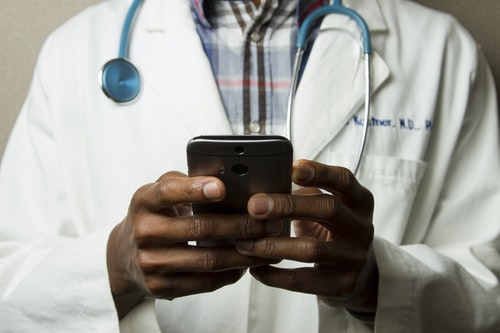
    1. Remote Monitoring –   The invention of wearable technology, trackers and sensors like FitBits and Apple Watches make the monitoring of vital health signals like heart rate, sleep routine and overall fitness for both the doctor and patient easier. It allows people to track almost every aspect of their health which allows people to take the initiative to make healthy changes within their own lives, saving money spent visiting a doctor. 

      Image credits


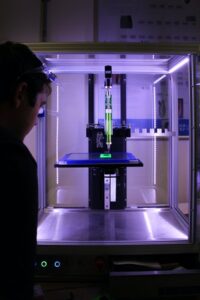
    2. 3D Printing –   As the demand for organ donors increases, a promising field is 3D printing. This is already integrated into medicine with the 3D rendition of critical areas in the body like the heart and lungs for aspiring doctors to practice on and learn how to operate on a lifelike dummy. As well as that, major strides are being made in the 3D printing of bones, with the development of prosthetic limbs that are altered to fit the patient better and even with 3D printing of organs such as the plastic heart, to extend patients lifespan so they can receive an organ donation, and as technology progresses, they may be able to replace the organ itself.

      Image credits
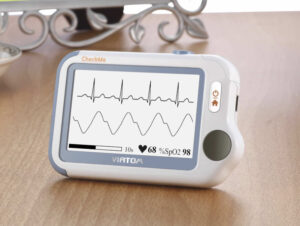
    3. Medical Tricorder – Almost every doctor wishes they had a device to diagnose and analyse all the vital signs and the potential problems a patient is facing, and it seems even more likely with current developments in technology. The development of the Viatom CheckMe Pro is a huge stride in the achievement of that. It is a palm-sized gadget which can measure ECG, heart rate, oxygen saturation, temperature, blood pressure and more from a few samples from a patient all in one device, saving crucial time for doctors especially in critical situations.

      Image credits


    4. Nanotechnology –    Nanotechnology is science, engineering, and technology conducted at the nanoscale of 1-100 nm. It is becoming more and more prevalent in medicine as being a precise way to deliver medicine to certain parts of the body, with the invention of PillCam, which monitors the colon and helps diagnose GI bleeding. Even larger strides are being made as MIT “recently created an electronic pill that can be controlled wirelessly and relay diagnostic information or release drugs in response to smartphone commands.”
    5.  Virtual Reality –

      Image credits

      Sure, we know that virtual reality makes for some good horror games but it is becoming more and more prevalent in all different sectors of medicine. Aspiring surgeons and doctors are using VR to practice surgeries and it is being proven to be very effective. According to the Harvard Business Review, a study showed that VR-trained surgeons had a 230% boost in their overall performance compared to other traditionally-trained doctors. As well as that, it is being used more and more as a way for pain management. Women in labour are equipped with VR headsets to visualise soothing landscapes to help them through labour pain and even patients with post-surgical pain or during intense surgeries are seen to have lower pain levels when using VR to distract them from the painful stimuli.

    In conclusion, the combination of medicine and technology provides us with better and faster monitoring for both doctors and patients themselves, doctors to gain better experience and even changes to the monitoring and administering of drugs, and even developing new organs. This combination is still developing and at the rapid pace that technology improves, we can hope that there will be continual improvements and changes in the way healthcare and medicine continues to develop. 

        Written by: Hussam Waseem

    Your NSTEM Journey Begins Here!

  • Objections to Teaching STEM and How to Overcome Them

    Objections to Teaching STEM and How to Overcome Them

    There are quite a few objections to STEM education that teachers express. Here is a list of a few of those objections and possible solutions.

    1. STEM education is messy.

    Let’s be real. Life is not always perfect. Most things take time and effort and can just be plain messy. By experiencing some mess from project-based learning, students can learn how to best solve “messy” problems. Many experiments that teach STEM the best are often really messy. By teaching students that “messy” is okay, it enables them to explore and discover new ideas and subjects. What kid doesn’t like a bit of a mess?

    To solve the messy problem, you can create a designated “messy” area in the classroom in which kids and older students can work on these projects without creating a mess throughout the entire classroom. Students need an area where they can experience and grow through working on projects.

    Photo by todd kent

    2. STEM is too expensive.

    STEM teaching can be very expensive, especially if the school does not have the support of grants or scholarships. However, most schools have a foundation that provides teachers and students with grants. Teachers can also set up fundraising efforts to provide the materials that they need.

    There are lots of great, affordable experiments and projects such as paper or straw projects. Providing students with opportunities to design projects by using creative solutions can help students cultivate the creativity necessary for success in the workforce. Students can learn Science, Technology, Engineering, and Math without spending thousands of dollars. The more creative the solutions, the better off that the students will be.

    3. STEM Education can be too risky.

    STEM education is different from other subjects because it can involve project-based learning and opportunities to explore the world uniquely and creatively. It teaches exploration rather than rote memorization. It means that students can learn to think outside of the box to form solutions to open-ended problems.

    While STEM education can be risky, it seems to be worth it because the students learn valuable skills that are useful in the real world. As long as the students are kept safe when working on the projects (such as not using hot glue guns or soldering), it is a great way to teach students how to build with their own hands

    4. STEM education is not focused

    To some people, STEM education seems to look like it is not focused. However, as long as the assigned projects allow students to learn Science, Technology, Engineering, and Math, then it is worth it and it is focused.

    Photo by Tim Collins

    5. Some teachers who teach STEM don’t have a background in STEM fields, so they shouldn’t teach STEM to students.

    While it’s true that some STEM teachers do not have a background in STEM, that does not necessarily mean that they are incapable of guiding students in these disciplines.  There are plenty of alternative ways to learn more about teaching STEM, teachers can attend conferences and training sessions to learn about STEM education. 

    Written by Chelsea Kowal

    Your NSTEM Journey Begins Here!