Author: Eric Magers

  • Does STEM Intimidate You?

    Does STEM Intimidate You?

    It’s far from abnormal to be intimidated by the STEM field and the challenges that come with it. STEM can make people feel like its driving force at times is to make you feel helpless and dumb. Many of you have probably experienced extreme frustration, while staring at the same math problem for over an hour as you’re twirling your pencil around mindlessly. STEM sometimes seems to push you to your breaking point, but it allows you to make tremendous discoveries and build powerful connections. STEM can empower you and lead to a life of success if you use its challenges as opportunities to learn and grow.

    Image credits

    Why is STEM Scary?

    Many students opt out of taking STEM classes at a very young age because they are perceived as “hard classes” or the classes that only the “smart kids” take. Furthermore, it’s not even that the students are failing STEM classes, it’s that they don’t give themselves the opportunity to excel in the field. Unfortunately, it’s not only students who shy away from immersing themselves in STEM, but teachers as well. Why are teachers scared of educating children on STEM? It’s because students, especially young children, are masters at asking numerous questions. These questions often lead to teachers feeling unprepared and ignorant about science, technology, engineering, and math. It makes them question how well they actually know the material that they are teaching. 

    Science Has a Right Answer 

    Image credits

    Another reason why STEM can be nerve-wracking is because there is usually a “right” way to solve a problem, in other words, there is no room for ambiguity. Therefore, because there is often a solution to the problem then there are many chances for someone to fail and come up with the wrong answer.  There are not as many scenarios in STEM classes where there are multiple solutions, meaning that people are either right or wrong and there is little in the way of ambiguity. Students often beat themselves up about failing and then give up with STEM classes altogether, but it is important that anyone in STEM understands that failure is a crucial part of the learning curve. 

    A Field Dominated by Men
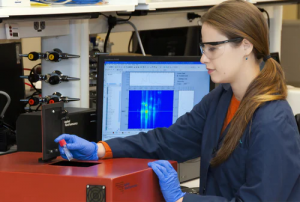
    Image credits

    It’s a significant amount of pressure, if not terrifying, for many women to step into a field that is overflowing with men. Although women make up 54 percent of the bachelor’s degrees in the social sciences area, they only make up around 20 percent of the bachelor’s degrees in hard science majors like engineering and computer science. This drastic gender gap puts an increased amount of pressure and attention onto women when they join the STEM field. There is a lack of confidence when it comes to women in STEM because women are often pushed into “helping” professions and “easier” subjects in school. This low confidence mindset is created at an early age and discourages women from pursuing careers in more stereotypically challenging and male-dominated fields.

    How to Embrace STEM

    Teachers, administrators, and guardians need to be more forward to students about explaining that failure and obstacles are inevitable when it comes to STEM. They need to make it clear that it is expected and normal that students will struggle to understand complex concepts. The sooner that children understand that failure is a necessary part of learning and that some subjects are less easy to initially grasp then the better. STEM is daunting and children need to know that it is okay to be challenged by a subject, but that it is not a reason to avoid it altogether.

    STEM is intimidating to a variety of people and you are not alone in thinking that it’s difficult and ambitious. It’s meant to challenge our thinking and put our brains to the test. If people can learn to embrace failure and obstacles earlier on in their lives then maybe less people will avoid STEM as early as Kindergarten. There is no denying that STEM is challenging, but that doesn’t dismiss the fact that it can’t be just as rewarding as it is challenging. 

    Written by: Olivia Fitzgerald
    Your NSTEM Journey Begins Here!

  • STEM Clubs to Start at Your High School

    STEM Clubs to Start at Your High School

    Are you a STEM lover thinking about starting a club in your High School? If you do not know where to start, here are some fun ideas for STEM clubs that you and your peers can form! 

    • Future Scientists Club 
    Image credit

    If science has always been your favorite subject, why not start a club to share that passion with others? You can engage in groundbreaking projects and invite well-known scientists to provide advice to club membersthe investigators of tomorrow! Moreover, you could plan a trip to a local lab to see a scientist’s work first-hand. 

    The essential factor of all clubs is the share of your interests and ideas with others in a safe environment. In a Future Scientists Club, you would be able to create together, get feedback, and maybe even participate in science competitions!

    • Future Doctors Club

    Continuing in the theme of STEM professions, you could create a Future Doctors Club! In addition to sharing enthusiasm for health care, club members can volunteer at a local hospital. As a club, you could also raise money and awareness to support non-governmental organizations such as Doctors Without Borders. 

    Image Credits

    That is not all! You could also invite professionals in the medical fielddoctors, nurses, anesthesiologists, physical therapists, and moreto give lectures and advice. Also, you could set up job shadowing with one of these professionals to see what a day working in your dream job would be like!

    • Math Homework Club

    While most schools have a Math League, not many schools have clubs to support students who enjoy math but find it a bit difficult. The central idea of a Math Homework Club would be that all students who love math, regardless of how easy they find the subject, get together weekly to share ideas and perspectives on how to solve assignments. This way, students who have difficulty with certain topics would have an additional safe place to express their doubts and learn from other students’ ideas. 

    Furthermore, similar to the Future Scientists and Future Doctors Clubs, professionals could be invited to show their ideas on math topics, or even try and solve a complicated problem with the club members!

    • Hack Club

    Though most schools have a Robotics Club, not many have a club dedicated to computer science lovers. In this club, members could learn to code through creating projects in which they would have the freedom to pursue what interests them. Eventually, members could even sign up for competitions or even host a hackathon! 

    • Planet’s Defenders club 

    Now more than ever, youngsters have to raise their voices to advocate for the well being of our planet’s environment. It is crucial for schools to be a place where students gain awareness about the earth. The club’s members could be responsible for inviting professionals to speak about our planet and introducing ecological activities or competitions. One option is to start a tree-planting campaign on the school grounds. There are millions of exceptional projects this club could engage in! 

    Image credits

    So now, are you ready to start your club? Remember, all you need is to find a group of peers who share your passion for a topic, talk to your counselor, set up the first meeting, and create a safe space for people to share their passion and grow together in their knowledge. 

    Written By: Guadalupe Lauro

    Your NSTEM Journey Begins Here!

  • Ways to Build a Strong Virtual Classroom

    Ways to Build a Strong Virtual Classroom

    Do you want to know how to build a better virtual classroom? It can be difficult to engage with students on virtual calls when we are accustomed to in person learning. Teachers are still adjusting to online features, while students are not engaged in the classroom. There is hope as here are a few ways that teachers can create a strong digital environment.

    Photo by Nathan Dumlao

    Constantly engage with your students during virtual classes. Set office hours for students who are struggling to learn the material. This way, students can visit the teacher at these times and know that the teacher is there to support them. 

    Have students read texts aloud to encourage them to participate and pay attention. Teachers can build off of this and have students write their own summaries and present it to other students in the class. 

    Give them responsibility! In elementary schools, teachers would usually have jobs for the students. Teachers can do the same thing with virtual learning by having students do different tasks. For example, have a student in charge of vocabulary, or have a student who finds inspirational quotes to say every time they meet for that week. For middle and high school students, teachers could incorporate a live journal for the students to have their thoughts about the material for everyone to read to let them have a voice.

    Photo by Headway

    The virtual classes provide amazing opportunities to use online resources to help the students study. Teachers can use Kahoot or Quizlet Live to engage with students and use these opportunities along with an incentive to encourage students to participate. Students can have blog posts assigned to them to have the teacher learn about the students. 

    Photo by lan Stauffer

    Teachers should have students give their input on ways that they can stay in touch with one another. Teachers can create a student  page by using Microsoft forms or Google forms to get student feedback on recognition for fellow classmates. Students would be able to feel proud about their accomplishments as it would be awarded for their time and effort. Make it a part of the class announcements with the information on class materials and extracurricular activities

    Teachers are not the only ones who are stressed! Teachers can have meditations, or built in periods of peace in their class time, to allow students time to relax. This would let students reduce their stress and know that their teachers are in the same boat, too. Incorporate a set time for counseling for students to check in on them and see how they are feeling. Students would respond to this with their feelings, especially the subject material. After time, you will make them feel a little at ease.

    Written by Lee Metoyer

    Edited by Emily Hyser

    Your NSTEM Journey Begins Here!

  • How to Explain the Climate Crisis to Young Children

    How to Explain the Climate Crisis to Young Children

    Photo by Sigmund on Unsplash

    As global temperatures continue to increase, children must learn about how the planet is being affected by human activity and what they can do to help. As parents, we should use our knowledge to educate and bring awareness to our current climate crisis. If you are wondering how to do this, here are some tips on explaining the climate crisis to young children.

    Inspire Environmental Wonder

    Younger children will have some difficulty understanding topics like ocean acidification, greenhouse gases, and overconsumption, therefore, we should build up to the current climate crisis. Before diving into the discussion, teach them about the environment and its role in our daily lives. The environment has living things that grow when we take care of them. A great way to show this is by planting seeds and showing them the entire process. 

    Once they start caring for the plant, translate the meaning of the plant to the entire planet. Thus, the child knows that the Earth thrives when we take care of it. The environment, like the plant, must be taken care of and they can help to do that! 

    Give Examples

    Now that the little one is more excited about the planet, it is time to talk about the climate crisis. The way you tell them is entirely up to you. Children are different and process new information differently. However, here is the best way to do so without overwhelming the child (especially since they are currently living through a worldwide pandemic) – give them examples. Below are some ideas! 

    1. Greenhouse Effect – Bring them to a greenhouse or show them a picture. The main lesson is that the glass structure housing the plants traps sunlight and makes it hot. From there, you can bring it to a large scale. Humanity is doing the same thing when we burn fossil fuels, which release greenhouse gas emissions that trap sunlight in our atmosphere. 

    2. Going in the Highway – Drive them around a highway to actively show the burning of fossil fuels. The grayish color that comes out will be a great visual of what harming the environment looks like in real life. 

    3. Tracking Carbon Footprint – Start the activity by placing a “carbon footprint” in the middle of a large piece of paper. The carbon footprint would be made of the child’s black-painted foot since it would make the most sense to them. On one side, have them write everything that makes their footprint increase, and then write all the things that make the footprint go down on the other side. This activity is not only great for motor skills, but it also helps them associate actions with consequences.

    Focus on Action – and Hope

    Photo by Erika Giraud on Unsplash

    Focus on the action by teaching them that they have the opportunity to help the Earth. Giving them a sense of control over the situation might inspire them to learn more and become little environmentalists.

    This is probably the most important tip: Younger children have spent a good amount of time learning about a worldwide pandemic, and thus learning about another threat might cause some stress. Due to this, make sure that the child/children are emotionally ready to learn about the harsh realities of our current world. Remember, they can work with others to fix it.

    Always remember that children, despite their age, are more than capable of understanding complex topics when introduced properly to them. It is all about finding what makes them comfortable and what will help them.

    As the reader, take away what works best for your child/children! All children learn and process things differently.

    Best of luck to all of you! 

     Written by: Isamarie Hernandez Arroyo

    Your NSTEM Journey Begins Here!

  • The Impact of Educational Disparities in the United States

    The Impact of Educational Disparities in the United States

    Image credits

    Educational disparities exist in the United States. Such a lack of quality education is persistent, problematic and needs to be diminished as much as possible. Educational disparities are more prevalent in low-income communities because they are often deprived of countless educational resources such as modern buildings, supported teachers, advanced courses and information technologies. Such educationally-disadvantaged communities are disproportionately comprised  of people of color: blacks, Native American, Latinos and Southeast Asians. These groups often struggle to excel in educational atmospheres, compounding and perpetuating numerous other disadvantages such as access to healthcare, employment opportunities and housing options, to name a few. 

     Where the Shortcomings are Seen

    Disparities are apparent in countless areas of learning, especially from \ the grades K-12. The shortcomings are revealed in test scores (SAT scores, science exams, etc.), dropout rates, advanced programs and course participation, expulsion rates, and various other achievement markers. These markers of educational disparity demonstrate how difficult it is for systematically-disadvantaged students to succeed in the current educational system.

    Social Inequality

    Image credits

    The United States has been characterized by social inequality since its inception. Social inequality also has led to educational disparities that have deprived generations of children from fully realizing promising opportunities and futures. People of lower socioeconomic status struggle to reach a higher socioeconomic status because the system as it is inhibits the American Dream. Poor peoples’ children disproportionately attend under-funded schools, which in turn impairs economic progress, creating a self-perpetuating cycle. 

    How Do These Disparities Unfold

    The consequences of educational disparities are substantial and enduring: diminished chances to get a college degree, consequently lower earnings, limited housing options, worse access to healthcare, etc. These losses of opportunities hinder many people’s chances for promising futures.

    Acknowledge the Disparities

    image credits

    Similar to many issues in the United States, issues that do not affect privileged groups of people render this component of our population more likely to be unaware or indifferent to such endemic problems. It’s even worse when the disadvantaged groups are blamed for their situations. Certain groups believe that providing more resources to disadvantaged groups would create a “culture of dependence,” which is the concept of people in poverty becoming powerless to the middle and upper class. The preponderance of social science research indicates that direct financial and educational support programs result in substantial, ongoing benefits for the recipient families and children; pre-K programs such as Head Start have been an unmitigated success; a recently completed two-year direct, unrestricted financial support study in the City of Stockton, California demonstrated a significantly reduced rate of unemployment in the recipient group. As a nation, we need to be perpetually aware of how drastic the gap is between educational opportunities between whites and people of color.  

    Resources, Resources, Resources!

    Low-income families send their children to low-income schools, which means those with fewer financial resources receive fewer academic resources as well. The United States needs to do a better job at redistributing funds, resources, and better teachers to low-income school districts. 

    The United States pioneered the concept of universal, free primary and secondary education. We need to re-dedicate ourselves to the concept that the more educated we are as a people, the better it is for all of us. The more educated we are, the more we earn, the more taxes we pay, the healthier we are. Better education results in a virtuous cycle that benefits us all. Let’s go!

    Written By: Olivia Fitzgerald

    Your NSTEM Journey Begins Here!

  • People Say That School Comes First, But What Does That Say About Our Mental Health?

    People Say That School Comes First, But What Does That Say About Our Mental Health?

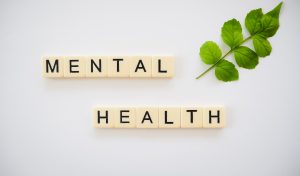
    Have you ever been torn whether or not you should go out with friends or finish an assignment? Or how about going back and forth on whether or not you have time to squeeze in an hour of exercise after school? Have you ever debated if you have time to cram in a power nap after work before starting your homework? Many of you reading this have probably faced some similar type of dilemma before: sacrifice your mental health or finish an assignment for school. Adults often tell children that school comes first, but this reinforces students to neglect key components of their lives, such as socializing and self-care. It advocates that school is more important  than taking care of one’s mental health.

    Image Credit

    Mental Health Comes First

    Children should be taught at a very early age that they should prioritize their mental health, even more so than their academics. Why should this be the case? It’s because our encompasses our overall well-being, which includes emotional, psychological and social well-being. These three factors contribute to how we feel, function, and interact with one another. If we do not take care of our mental health, then all areas of our lives, including academics, become much more difficult to manage. In other words, we need to make sure that we are successful at preserving our mental health if we want to ensure that we are able to be the most successful in other areas of our lives.

    Mental Health and Learning Go Hand in Hand

    We might not always view our mental health as  a direct contributor to our achievement in school, but it is. Both mental health and learning are linked to how we process information. If someone prioritizes their mental health then this will lead to them feeling better and thinking more clearly and/or rationally. This will initiate a more productive outcome in school because when we feel better, we have a tendency to be more motivated, get less discouraged by small setbacks, and understand things better because our brains are healthier. 

    Ways to Promote Mental Health in the Classroom

    • 1.  Take Breaks

    It is vital that teachers do their best to protect students from experiencing burn-out. Burn-out is essentially when a student is overwhelmed by an unprecedented number of negative emotions because of a deprivation of relaxation and not taking part in activities that they enjoy. To avoid students from experiencing burn-out, teachers should assign a reasonable amount of homework and incorporate breaks into class time. 

    • 2.  Provide More Chances to Interact


    Image credit

    Another way mental health can be prioritized in a school setting is by allowing students the opportunity to talk to their fellow classmates. Instead of speaking in front of the entire class, small group discussions with peers can lead to everyone feeling heard and valued in a less intimidating environment.

    • 3.  Address It

    Image credit

    It should be normalized and required that at the end of every syllabus/course outline, teachers include mental health resources. This may consist of the school counseling center information, highly regarded mindfulness apps, helplines, etc. In this section of the course outline, the teacher should also explain how they understand that mental health comes first and that they are there as a resource for their students to seek help.


    Teachers’ responsibilities are to help and encourage students to learn. However, they should not be limited to only educating their students on the material outlined in their course syllabus, but pushed to enlighten students on how to promote their mental health. To put it simply, if our mental health is thriving then so will our academic performance.

    Written by: Olivia Fitzgerald
    Your NSTEM Journey Begins Here!