Author: Eric Magers

  • Six Ways Parents Can Support STEM Habits

    Six Ways Parents Can Support STEM Habits

    Your children’s teachers may be drilling the importance and benefits of STEM education and exploration into their heads, but how can you continue to emphasize STEM’s value in the home? Continue reading for six ways parents can support STEM habits when school is not in session.

    Books

    Photo by Kelly Sikkema

    The dual benefit of exposing your child to STEM-themed books is that they are enhancing both their reading skills and STEM knowledge. Take a family trip to the local bookstore or library and escort your children to the science section or the like. Consider checking out this NSTEM blog post entitled “Books for Teaching STEM at Home”. It is geared towards students in grades K-8 and can provide great inspiration for your book search. 

    Projects for a Rainy Day

    Science projects and activities are the perfect way to get your children’s hands dirty and minds buzzing with excitement. Most projects only require common household items. The best place to look for project, experiment, and activity ideas is NSTEM’s Pinterest page. We have an entire board solely dedicated to this topic and it is catered to all ages. At NSTEM, we are big proponents of project-based learning. Read more about why on our website!

    Photo by Annie Spratt

    Seek Out Answers Together

    Kids are natural questioners. They are always seeking to expand their understanding of the world, hence the incessant “why?”. The next time your curious youngster poses a question that completely stumps you, embark on a search together. Head over to the computer and research the answer side-by-side. This act will promote your child to seek for answers themselves and teach them basic research skills. 

    Subscribe to Science Magazines

    Even better than a book, magazines provide you with consistent STEM material that your child will pore over. They will look forward to their subscription every few weeks and be up-to-date on the latest in the field. For younger children, try National Geographic Kids, Ranger Rick, and Kids Discover. For more advanced readers, check out Science News, Science, and Scientific American. These subscriptions also make for the perfect gift that keeps on giving!

    Adventures Beyond the Home

    There are infinite ways to engage with science outside the household or classroom. Search for science museums in your area that are kid-friendly. Consider investing in a membership so that you can always check out their latest exhibit. If there are no science-geared museums near you, try a hike! Consider attending a national park tour or just leading your crew on your own. Encourage your children to practice reading maps, orienteering, and identifying birds and other animals seen along the way. Hiking and nature walks are a fantastic way to instill a care for our planet. Visiting local zoos and aquariums are yet another great way to stimulate this excitement in children. 

    Photo by Pengxiao Xu

    Kick it Old School 

    Nothing hits the spot like a sweet glass of lemonade. And it just may help improve your mini mathematicians’ skills too! Lemonade stands involve a lot more than meets the eye; a good salesman will consider things like profit and revenue when building his/her business. Furthermore, the preparation of the drink itself involves measurements and ratios. Engage all these skills for a secretly educational activity your child will love.

    When all else fails, remember that simply talking to your child about what they are learning in their science and math classes can make a huge difference. Help them prepare their assessments and assist with homework when needed. Brainstorm ideas for their science fair project with them and proofread their lab reports. Parents who support their child’s STEM journey yield kids who are curious and enthusiastic about a potential STEM career. 

    Written by Lucy Reid
    Your NSTEM Journey Begins Here!

  • How to Introduce Sustainability to Elementary School Students

    How to Introduce Sustainability to Elementary School Students

    Schools worldwide are focusing their efforts on influencing their students to make the world a better place. For example, by promoting volunteering and fundraising events.

    Image Credits

    To further help their community, students must be aware of the significant effect their actions have on the planet’s well-being. For this, Sustainability has to be taught from an early age.

    But first…What is Sustainability?

    The most popular definition of sustainability comes from the United Nations World Commission on Environment and Development: “sustainable development is a development that meets the needs of the present without compromising the ability of future generations to meet their own needs.” Because resources are not infinite, they must be used conservatively and carefully. 

    Social responsibility and knowledge are crucial to growing a sustainable society that focuses on environmental protection and maintaining the equilibrium in human and natural systems. Educators plant the seed of sustainability in the future generation’s minds. 

    Elementary school is an excellent time to start working on sustainable projects. Here are three fun ideas!

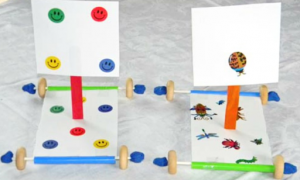
    1. Renewable energies. Energies of solar, wind, and biomass can meet local energy demands and improve environmental protection. For a more eco-friendly and sustainable future, students must be taught about these. One entertaining project idea is to build “wind cars” that are moved by the wind. This can be used by the teacher as an opening to the theme of renewable energies.

    Image Credits

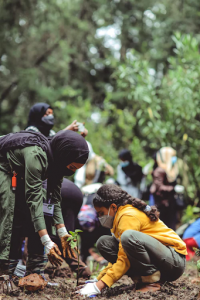
    2. Gardening. In the school garden, students can plant vegetables. By doing this, they are both learning about botany and introducing a sustainable habit into their lives! The vegetables can be later used in the school cafeteria. In addition, parents should  be encouraged to do this at home.

    Image Credits

    3. Reuse items for crafts. An essential aspect of sustainability is producing less waste. Teachers could nominate one day of the month, “craft day.” This day students would be invited to bring all the stuff that no longer has use (pieces of cloth, plastic bottles, broken stuff, etc.) and create new items. Besides students having a great time expressing their creativity, teachers can use this project to reinforce the importance of recycling.

    So now, which project are you going to do next? Just as these, there are numerous creative and unique projects for you to start at your Elementary school. It is time we realize the importance of Sustainability and that, like in any change, kids will play a crucial role in its development. 

    Written by: Guadalupe Lauro

    Your NSTEM Journey Begins Here!

  • The Benefits of Using Digital Resources for High School Students

    The Benefits of Using Digital Resources for High School Students

    Over a year ago, the COVID-19 pandemic took the world by storm. Since then, life has become increasingly digital, especially for students. Work from home has become the new norm, and Zoom has taken over as the classroom for most students. This has led to an increase in using digital resources in the classroom for students of all ages, but particularly high school students. However, the use of digital resources has provided many benefits for high school students. 

    Easily Accessible Information

    The days of having to rent out library books and articles for school projects are long gone. Now, students can easily access articles, movies, and books all online. Some of these even happen to be free. This allows for students to easily research and learn about any topic they like from anywhere in the world without having to rent out physical materials. Easily accessible information allows for students to learn more. They have access to a world of information at their fingertips with digital resources. 

    Photo by NeONBRAND

    Flexibility 

    High school students are busy kids. They have school work, jobs, extracurricular activities, sports and are applying to colleges. Digital resources allow for students to have more time and flexibility in their schedules. Instead of walking to the library to rent a book, or staying after school at certain times to receive tutoring, this can now all be done online.

    Students can create flexible schedules given the opportunity to use digital resources. They can watch videos or look up resources online when it is convenient for them. High school students can schedule tutoring sessions, or work on projects when they have the time due to digital resources. 

    Photo by Campaign Creators

    New Opportunities

    Suppose high school students were doing a unit on the Renaissance. Instead of looking at textbooks and photographs of the artwork, digital resources provide a better alternative. It would be impossible to bring students on a trip to tour the museums and artifacts left behind from the Renaissance. 

    Now, with digital resources, some websites offer virtual tours of museums and artifacts. Students can get a better understanding and visualization of the Renaissance through the digital tours and videos of the actual artifacts and museums. Textbook definitions and photographs can’t compare to this experience. Using these digital resources gives students opportunities to explore different topics and gain an in-depth understanding of what they are learning. 

    Developing 21st Century Skills

    The world is becoming an increasingly digital society. High school students going off into the workforce or college will be asked to use digital resources in their careers. By incorporating them into their work now, students will develop the skills to be able to use these resources later on. 

    In college, high school students will need to know how to access digital resources for their papers and presentations. In the workforce, high school students will need to know how to communicate with their co-workers and bosses. Teaching students how to use these resources now will benefit them in the future. This will lead to them learning skills such as online etiquette, communication skills, and differentiating between reliable and unreliable sources. 

    Now that digital resources are the new norm, it is time to start incorporating them into high school students’ lives. They provide students with many benefits to their education and development of life skills. Especially in Zoom classrooms, it is important to have high school students using digital resources in their education. For more information on resources to help high school students, please visit our website.

    Written by Meghan Latham

    Your NSTEM Journey Begins Here!

  • 5 Free Mental Health Resources for College Students

    5 Free Mental Health Resources for College Students

    Image Credits

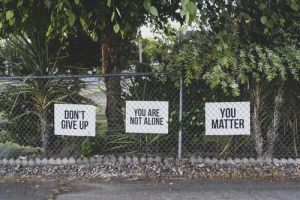
    If you’re a college student then you’ve probably experienced extreme stress from school at one time or another. Perhaps you’ve had a mental breakdown before (maybe dozens of them) or you’re on the brink of having one right now. Between pulling all-nighters, failing your first quiz, juggling social life and academics, eating cereal for breakfast, lunch, and dinner, it’s no surprise that college students are struggling. College is stressful, in fact, college is the most stressful time in many people’s entire lives! Unfortunately, with this great stress, sleep deprivation, academic obstacles, comes even greater issues. Mental health issues are sky-rocketing in college students and they don’t seem to be declining anytime soon. This is why it is absolutely essential that all colleges and universities provide their students with the appropriate resources.

    Image Credits

    1. School Funded Therapists

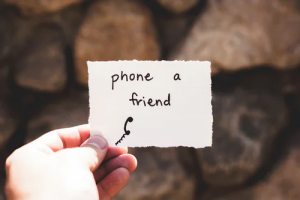
    Almost every college in the United States has a school funded therapist(s) who can be found at a school’s counseling center. These are licensed professionals who students can confide in to help with school or non-school related issues. Many of these counseling centers are open 24 hours a day to provide students with around the clock assistance. Also many of these therapists allow students to attend phone call sessions rather than in person meetings, if the student would feel more comfortable and have a better sense of privacy.

    2. Deans

    Many students have the misconception that college deans are only used for academic purposes, but that is far from the truth. Deans want to ensure that their students are having the best possible college experience, which is why they are available to talk about their students’ overall well-being. Students should feel comfortable speaking to their deans about mental health leaves of absence, sexual harassment, family troubles, and anything that is causing a student distress.

    3. RAs and CLs

    For students starting college soon, in most colleges and universities, underclassmen dorms have a couple upperclassmen living in each of the dorms. These upperclassmen are distributed in underclassmen dorms in order to serve as RAs and/or CLs, which are resources for the younger students to have in close living proximity. Younger students often feel less vulnerable speaking with another student than a licensed professional because students are more relatable and less structured in the way they give advice. 

    4. Online Resources

    The current world is saturated in technology, so college students should be taking full advantage of this. There are all kinds of online mental health resources for a wide array of issues such as depression, addiction, anxiety, and eating disorders. Here are a few great online resources that are more than happy to help college students feel better: Health Unlocked, Turn2Me, Daily Strength, Mental Health Forum, Mental Health America and MentalHealth.gov.

    5. Friends and Family

    Image Credits

    If you’re lucky enough to have friends and family then lean on them. Not everyone comes from loving and supportive families, while others are not fortunate enough to be surrounded by solid friend groups. However, if you are auspicious enough to have people close to you who love you and want to support you, then allow them to help you. This can be something as simple as allowing them to listen to your negative thoughts or letting them find resources for you to get better quickly.

    College is challenging for most people, even those who are fortunate enough to not be stricken by a mental illness. So it’s understandable how much harder college can seem for those battling mental health issues. There are an abundance of mental health resources in the world and colleges need to provide them, while students need to seek them. There are plenty of resources out there for students to feel better about themselves and the world around them.

    Written by: Olivia Fitzgerald

    Your NSTEM Journey Begins Here!

  • Five Tips for Teaching Online Learning

    Five Tips for Teaching Online Learning

    COVID-19 has forced teachers to become Zoom Wizards and GoogleMeet Masters…or at least they’re trying. Teaching online, especially with younger students, is no easy feat. If you are nervous and worried about the effectiveness of teaching remotely, know that you are far from alone. 94% of teachers shifted to remote instruction during school closures and 77% of them stated they felt “stressed” by the task. If you fall into either of these two categories, read on for helpful tips.

    Use Variety

    As opposed to bouncing from room to room to attend their classes, students are clicking from tab to tab in online classrooms. Not only are they redundant, but they often bleed into one another due to the lack of transitions and change in scenery. To grab students’ attention, switch up your class structure. If you typically do lectures, incorporate an activity, demonstration, or video to liven your presentation. If your class is mainly discussion-based, give students time to write on their own. If teaching younger students, engage as many of their senses as possible. Perhaps start with a song and then exciting visuals, followed by a tactile activity they can do from home. By keeping students on their toes, they are far less likely to resign to the abyss of boredom which monotony can easily do.

    Carve Out Time to Speak with Students

    56% of students have reported heightened stress during the pandemic, and among those surveyed, Latino and Black students are experiencing strain at even higher rates of 63%. Students of all ages have missed out on material, valuable social interaction, extracurricular, and one of the most formative periods of their life. Not to mention that

    Photo by Thomas Park

    many have suffered loss all around them, including within their home. It is easy to say this pandemic has hit everyone hard, but students especially have faced difficult obstacles in the last year. Sectioning off just a few minutes of your class time to check in with students may be the only time all week that someone is slowing down to assure they are doing okay. Make sure they are comfortable with the class’s pace, are not overwhelmed by the volume of work, have all the materials they need at home, etc. Not only will your students greatly appreciate you, but this time gives you insight into how well you are conducting your online class. Also give them space and freedom to speak generally about how they are managing, with regards to school or otherwise.

    Consider Open-Note Assessments, or Doing Away with Them Altogether

    Assuring integrity in online school is extremely difficult. Students have laptops, phones, tablets, and other gadgets that can lead them to nearly any answer. Instead of spending hours crafting the perfect test you believe cannot be cracked even by a computer, perhaps just allow students to use their notes and maybe even online resources. Just be sure to craft questions that require an extra layer of thought and force students to use what they previously learned to build their answers. If this process sounds like a hassle, consider saving your class time and instead assign projects, papers, and problem sets that can replace the testing portion of their grade. Teachers can take all the steps possible to eliminate cheating and make the tests equitable, but the truth of the matter is that the playing field will never be completely equal. Therefore, eliminating testing as a tool in your classroom may be one of the best ways to assure fairness.

    Photo by Bruce Mars

    Stay Organized

    Some love learning online because it allows them to keep all their study materials in one place, on one device. For others, this situation presents a nightmare. The best way to aid all your students in their online learning is by staying organized. Create a classroom page where students can access all documents, sheets, and materials and have them listed chronologically by the date introduced. Be sure to have a calendar with class times, assignment due dates, and exam dates. If you offer office hours (which is a great bonus tip!), make that clear too. We have all frantically searched for a meeting link as our hearts pounded and the clock ticked. Alleviate this issue by having all links easily accessible at the top of your page. Also create an area dedicated to homework where you detail what is expected of them, where they should submit it, and when it is due. Parents will appreciate this level of organization as well because now it is much easier for them to assist with assignments and know that their child is staying on track.

    Use All Resources Available to You

    This pandemic presents a time to be creative and resourceful even with online learning. If you are lucky enough to have a tablet, consider propping it up and facing it downwards so that students can watch you write on paper. This tip is especially useful if walking students through a math or science problem, or teaching elementary school students to write. If you do not have a tablet, consider purchasing a whiteboard to prop on your wall and write, just as if you were back in the classroom. Lastly, if you cannot access either of these things, use the marker tool available on many video conferencing platforms to draw on your screen. Rely on videos you can find online to demonstrate what you can only show in a classroom. Spend time in an instructional class that teaches you all the features of your video conferencing platform. This will help you become comfortable using the chat box, breakout rooms, etc. Take advantage of the fact that now it is much easier to assist students individually and without distractions due to breakout rooms. Check out websites like this one, which compiles online learning resources for teachers of all grades. 

    Be sure to emphasize the benefits of online learning. Perhaps now you have to work fewer hours and can go to work in pajama pants. Remember that you can reach students more easily and see all their faces at once. And do not forget how lucky we are to have this technology at all. As much as we all wish to return to in-person learning, let’s not forget that there will likely be aspects of remote instruction that we will miss.

    Written by Lucy Reid Lucy Reid

    Your NSTEM Journey Begins Here!

  • How to Foster Creativity in the Virtual Classroom

    How to Foster Creativity in the Virtual Classroom

    Zoom Zombies 

    We’ve all performed our best zombie walk while trudging into our early morning in-person classes. Yet, we would slowly regain our liveliness throughout the day as we saw our friends and favorite teachers. However, today, eLearning has become the new norm. 

    Staring at a computer screen for hours makes a zombie out of everyone, drooling and groaning out of boredom. The lack of emotional connection through online learning prevents us from absorbing class material and discourages participation. 

    In this blog, we’ll be discussing how to foster creativity and emotional connections through online learning, enticing students to engage with classroom content. 

    Photo by Scott Graham 

    The Antidote of PBL

    At the National STEM Honor Society, we advocate for Project Based Learning (PBL). PBL is a classroom dynamic where students actively explore real-world problems and challenges in order to acquire more knowledge. With this method, students answer elaborate questions and present solutions to societal issues through presentation. 

    PBL fosters critical thinking and communication skills, creativity, and a sense of community and collaboration among students. By allowing students to flaunt their creativity, and work together in teams, we can spark the enthusiasm in-person classes were once able to inspire. 

    Photo by Ralston Smith

    Injecting the Cure 

    Because Project-Based Learning is a relatively new way of teaching, the process of implementing it into the classroom might be daunting. However, we’re here to guide you through the journey of integrating PBL into your core curriculum. 

    First, start by formulating an essential question that will launch the project. This question should be both interesting and relevant to your students. Use open-ended questions that relate to modern society. By asking a question that has meaning to students’ lives, students will feel more compelled to present their best work. 

    After formulating a question, decide on the final product and outline the timeline. It is imperative to involve students in this step because they will assume ownership of their final product. Select projects that both pertain to the posed question and utilize the curriculum. 

    Although setting a schedule drives the progress of Project-Based Learning, it is also necessary to allow some flexibility as students conceptualize, design, and launch their projects. 

    Finally, allow the students to present their final products and reflect on their experience as a class. By giving students time to reflect on what they’ve discovered, they will synthesize new knowledge. They also may offer feedback that will improve the next experience. 

    No More Zombies!

    Introducing Project-Based Learning in an online learning environment encourages independent and innovative thinking. It also obliges students to maintain contact with their classmates, helping them feel less isolated. Collaboration offers new perspectives and also fosters creativity in the classroom. 

    Although the context of this blog focused on eLearning, it can be equally, if not more, effective in person. Project-Based Learning undoes the rotting of both early morning and Zoom zombies’ brains by invoking excitement and motivation to participate.

    Written by Alexandra Sugatan 

    Edited by Emily Hyser 

    Your NSTEM Journey Begins Here!