By Sydnie Seibert
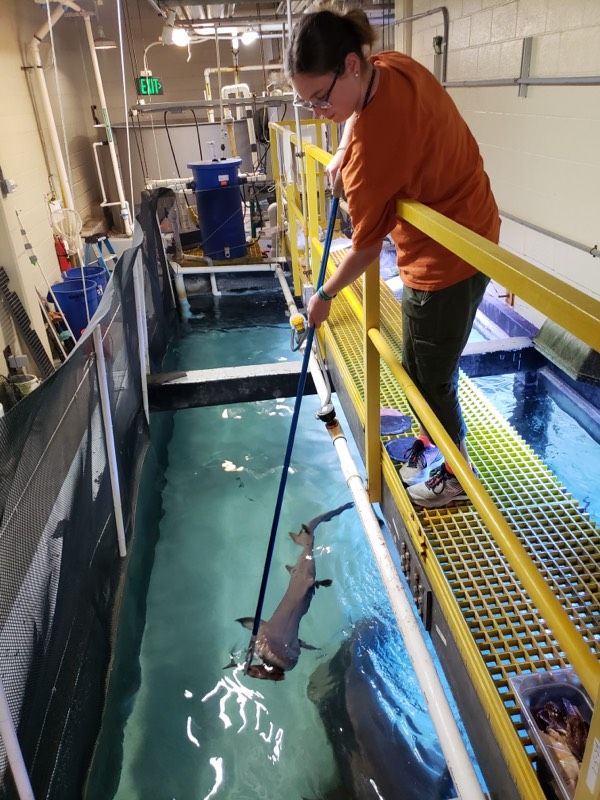
Every February 11, the global STEM community comes together to recognize the International Day of Women and Girls in Science, a United Nations designated observance that highlights women’s contributions to science and calls for greater gender equity across STEM fields. At the National STEM Honor Society (NSTEM), this day closely aligns with our mission: to educate, initiate, and innovate while championing Inclusion, Diversity, Equity, and Access (IDEA) for all learners.
Science shapes our world, from the technologies we use daily to the sustainable solutions that protect our planet. Yet for generations, women and girls have faced barriers to full participation in scientific discovery. February 11 is both a celebration of progress and a reminder that the future of STEM demands intentional efforts to create inclusive pathways, equitable opportunities, and leadership spaces where every curious mind can thrive.
Why February 11 Matters
Established by the United Nations General Assembly in 2015, the International Day of Women and Girls in Science recognizes that gender equality is essential for scientific excellence and sustainable development. According to UNESCO, women make up less than one-third of the global research workforce, despite earning degrees in STEM at increasing rates. Closing this gap isn’t just about fairness; it directly impacts innovation, economic growth, and environmental sustainability.
When women participate fully in science, research outcomes improve and technologies better reflect societal needs while becoming more inclusive and sustainable. For NSTEM, February 11 serves as a powerful reminder that representation matters, especially for girls who are just beginning to see themselves as scientists, engineers, and innovators.
Women Leading Science for a Sustainable Future
Sustainability is one of the defining challenges of our generation, and women in science are at the forefront of addressing climate change, clean energy, public health, and environmental protection. Here are a few outstanding scientists, with links to explore their research in more detail.
Dr. Katharine Hayhoe, an atmospheric scientist and climate communication expert, translates complex climate data into actionable solutions. Her work demonstrates how science, communication, and empathy can drive meaningful environmental change.
Dr. Morley Muse, a renewable energy engineer, focuses on advancing clean energy technologies, while also supporting women’s leadership in STEM. Her work highlights the intersection of sustainability, innovation, and equity, values that mirror NSTEM’s commitment to responsible STEM leadership.
Reyhan Jamalova, founder of Rainergy, was only 15 years old when she developed a system that converts rainwater into electricity, an inspiring example of youthled, sustainable innovation.
These scientists remind us that sustainability is not a separate field; it is embedded across STEM disciplines, from engineering and chemistry to data science and environmental research.
Girls in Science: Building the Pipeline Early
One of the core goals of the International Day of Women and Girls in Science is to strengthen the STEM pipeline by supporting girls early in their educational journeys. Research shows that encouragement, mentorship, and visibility all significantly increase girls’ likelihood of pursuing STEM careers.
Programs like Stemettes, founded by Anne-Marie Imafidon, work globally to empower girls and young women through hands-on experiences, mentorship, and community.
Similarly, organizations such as Women in STEM (WiSTEM) and Girls Lead STEM provide platforms for students to explore science, build confidence, and connect with role models who look like them.
NSTEM plays a vital role in this ecosystem by fostering academic excellence and a spirit of belonging, helping students recognize that STEM success is not just about grades, but about curiosity and purpose.
Science, Equity, and the United Nations’ Vision
The United Nations links gender equity in science directly to the Sustainable Development Goals (SDGs), particularly those focused on quality education, climate action, clean energy, and reduced inequalities.
Women scientists are essential to achieving these goals. Diverse research teams are more likely to generate innovative ideas and anticipate unintended consequences while designing solutions that serve broader communities. When women and girls are excluded from science, the world loses potential answers to some of its most pressing challenges.
For NSTEM members, February 11 is a call to see STEM not only as a career path, but as a tool for global impact.
How NSTEM Students Can Honor February 11
Celebrating the International Day of Women and Girls in Science starts with awareness and action; a lab coat is optional:
- Highlight women scientists and their research in meetings in your NSTEM chapter and classrooms.
- Connect STEM projects to sustainability, such as renewable energy, water conservation, or environmental data analysis.
- Mentor or seek mentorship; peer support strengthens confidence and community.
- Share stories on social media using hashtags like #WomenInScience and #GirlsInSTEM.
Each action helps create a culture where girls feel encouraged to ask questions, experiment boldly, and pursue scientific leadership.
Looking Forward
February 11 reminds us that the future of science depends on who is invited to participate today. At the National STEM Honor Society, we believe that empowering women and girls in science strengthens not only STEM fields, but the sustainability and resilience of our world.
As we celebrate the International Day of Women and Girls in Science, let us commit to building a future where innovation is inclusive, discovery is equitable, and every student has the opportunity to lead in STEM and beyond.