Author: webmaster

  • A Second Earth: Where to Go From Here

    A Second Earth: Where to Go From Here

    The Universe is constantly expanding. Our knowledge of the universe is constantly expanding as well. As we reach further and further into the solar system and space, and the threat of climate change lingers on, astronomers turn to the idea of ‘space colonies’ or habitable planets outside our solar system as the future of humanity. The problem is that we have such a small range of temperatures and conditions where we can function, for example, we need oxygen, water, food and our body operates the best between 0-50 degrees celsius. This ultimately begs the question, could we ever find a second Earth?
    Image Credits

    Within our solar system: 

    Image Credits

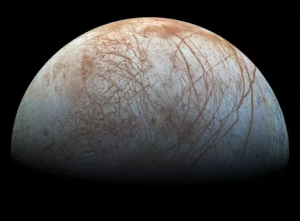
    • The first of our candidates is Europa. Discovered by Galileo in 1610 as being one of the 4 large Jupiter moons, the surface is a vast expanse of water ice, and scientists believe that underground, there may be liquid water, evidenced by the explosion of geysers through cracks of the surface. At the bottom of this presumed sea, there may be hydrothermal vents, which already support diverse ecosystems here on Earth. 
    • Secondly, we have Enceladus, yet another moon but orbiting Saturn. It is also covered by ice and was considered to be potentially habitable after the discovery of enormous geysers in the South Pole, which can be seen as being a potential liquid water store underground. Also, the discovery of tiny grains of rocky silicate particles can be interpreted as being evidence for hydrothermal vents on the ocean floor, providing the chemistry needed for life. 
    • Finally, we have Titan, which abandons the need for water and focuses on the importance of an atmosphere. It is the largest moon of Saturn and the only moon in the solar system with a substantial atmosphere. Its weather cycle is similar to Earth but instead has a methane cycle rather than a water cycle meaning that it has seasonal rains, dry periods and surface sand dunes created by wind. The atmosphere consists mostly of nitrogen, similar to how it was on early Earth and further observations have detected rivers of ethane and methane and even cryovolcanoes – which erupt water instead of lava. However, the issue is that since it is so far from the Sun, it leads to very cold temperatures of -180˚C which is too cold for water and humans, but it could sustain other forms of life, or even a space colony.
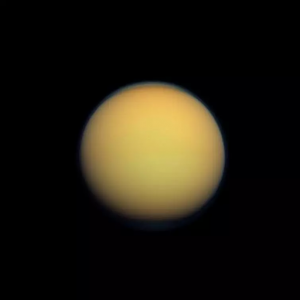
    Image Credits

    Exoplanets:

    An exoplanet is a planet outside our Solar System. Many of these have been discovered recently due to developments in space technology. A handful of these have been labelled potentially habitable, as they adhere to an important aspect of human life, whether it be liquid water or the same size and shape of the Earth.

    • The first one is KOI 5715.01. It is around the same age as the Earth at being over 5.5 billion years old and orbits an orange dwarf star 2,965 light-years away from Earth. After more research, it is predicted that the temperature is around 4.3 degrees F (2.4 degrees C) cooler than Earth with a 1.8 or 2.4 times larger diameter. With more research about its atmospheric composition, and if it is discovered to have greenhouse gases to trap the heat like on Earth, it may be super-habitable. 
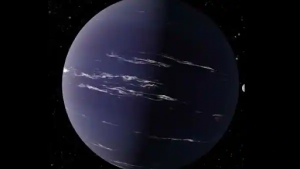
    Image Credits

    • Secondly, the discovery of TOI-1231 b has been intriguing. It is an exoplanet with a more bearable temperature of 56.75 degrees, which is frigid compared to other exoplanets with scorching or freezing temperatures. It is 90 light years away from Earth and it is 3 times the size of Earth similar to Neptune but with a 24-day orbit. Astronomers predict that there may be clouds and evidence of water. It is predicted that there may be a hydrogen helium atmosphere or a water vapour atmosphere. However, there is a lot of promise for this exoplanet, as it is within the reach of scientists to carry out atmospheric research, unlike KOI 5715.01.
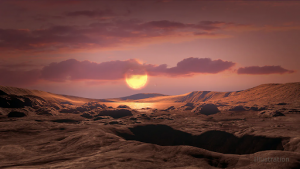
    Image Credits

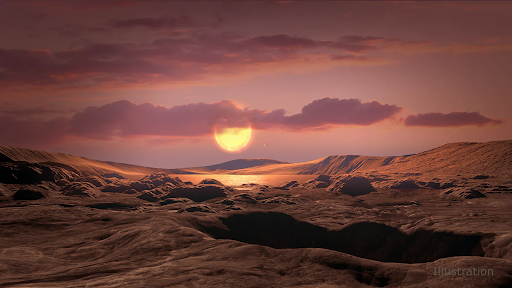
    • Finally, a planet that was almost lost in the records, named Kepler 1649c. In 2018, after 9 years, the Kepler spacecraft ran out of fuel and faded into the realms of the unknown, but it had discovered over 2,400 exciting exoplanets. Recently, scientists have re-examined the results, and a planet that the AI ruled out, was double checked and now Kepler 1649c is seen as being a potentially habitable planet. It is around the same size as Earth and receives around 75% of the light that the Earth receives from the Sun.  It is only 300 light years away from Earth and is a rocky planet. However, with any exoplanet, there are problems and this one orbits a red dwarf star, much smaller than the Sun with stellar flare-ups that could make sustained life challenging. It also has a year that lasts 19.5 days. 
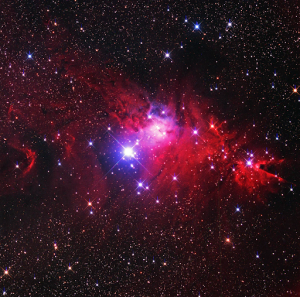
    Image Credits

    As space exploration develops and expands, maybe one day astronomers can find a planet that is habitable or discover more about these planets and moons and see if they are fit for human living. The idea of space colonies is also very intriguing with Elon Musk leading the way for a Mars colony, but with space, the greatest asset is time and with time, maybe we will be able to discover a planet that could be the second Earth. However, while our first Earth is habitable, we at NSTEM believe that it is important to take care of our planet and use our resources efficiently without harming the Earth.

    Written by: Hussam Waseem
    Your NSTEM Journey Begins Here!

  • How One Latina Impacted the STEM World!

    How One Latina Impacted the STEM World!

    From building a fully functional airplane at age 14, to earning a doctorate in Theoretical Physics at Harvard university. Sabrina Gonzalez Pasterski is a first generation Cuban American that continues to break down STEM world barriers! In recognition of Hispanic Heritage Month, this article will cover the amazing work this Latina has contributed so far.

    Image Credits

    The beginnings of a genius

    Her passion for science and math started early at Edison Regional Gifted Center, a Chicago public school. Here she declared her love for aerospace and went on to learn to fly and build planes. While attending high school, Sabrina applied to Massachusetts Institute of Technology (MIT) and was unfortunately wait-listed.

    This surprised MIT professors who had seen Sabrina’s vlogs cataloguing her airplane adventures. They rallied behind the young scientist and helped her secure a position at the prestigious school. Her professors’ support did not go in vain. Sabrina graduated MIT at the top of her class with the highest possible Grade Point Average (GPA). She was the first woman to accomplish this in decades .

    Sabrina was determined to show people who doubted her that they were wrong. This is exactly what she did. After graduating MIT, Sabrina went on to pursue her PhD at Harvard University. She was 1 of 12 awarded a $250,000 Hertz Fellowship, so that she could continue to pursue a career in STEM. She graduated from Harvard in 2019 with a PhD in Theoretical High Energy Physics. Along with another perfect GPA .

    Her work was even cited in research co-authored by the famous physicist Steven Hawking. Now she is doing a Postdoc at Princeton Center of Theoretical Science, with research interests in quantum gravity and string theory. 

    A champion for women, especially Hispanic women

    When she isn’t researching theoretical physics, Sabrina spends much of her time advocating for women in STEM by speaking at events. Her YouTube channel, PhysicsGirl, features numerous videos of her speaking at seminars and taking part in interviews. In these videos, Sabrina uses her platform to discuss making STEM more accessible to women. She shares personal stories of her experiences in academia, drawing connections to important themes like improving STEM education as early as possible. Ensuring that foundational interest can be built.  

    Sabrina guides herself on being hopeful and putting in hard work. She ignores stereotypes and follows her dreams regardless of what others think of her abilities. When people doubt her, she uses it as motivation to do better. Determination is what makes Sabrina unique, and during her speeches, she champions this mindset.

    A world where young girls can make decisions on their careers free from stereotypes. This is a world that Sabrina dreams of and is actively creating. She has spoken at events like Perspektywy Women in Tech Summit, MiSK Foundation Women Empowerment Panel, and the International Monetary Fund (IMF) ‘Power of Girls’ live webinar. She is sharing her story and proving to the world that a Latina can do whatever she sets her heart to!  

     Written by: Jackie Stevenson

    September 30, 2021


    Your NSTEM Journey Begins Here!

  • 4 Must-Have STEM Technologies

    4 Must-Have STEM Technologies

    As experts forecast computer science and engineering skills as crucial to the future workforce, K–12 schools should be rapidly implementing STEM programs in order to prepare their students to be the leaders of tomorrow. Schools have found many different solutions to shouldering the responsibility of passing on STEM skills to their students. However, despite these differing approaches, virtually all teachers find themselves employing STEM gadgets and tools to facilitate hands-on, project-based STEM learning in the classroom. The use of various educational technologies has helped K–12 teachers achieve their STEM education goals. Today, we will be breaking down the best of the best! These fun yet functional resources are rapidly taking their place as classroom staples and STEM technology must-haves!

    Computer-Aided Design Software (CAD)

    Computer-Aided Design (commonly referred to as CAD) has become an integral factor that moves the world forward. These 3D simulators let you design everything from tiny pieces of electronic equipment to large buildings, dams, and more! While this may seem intimidating, there are several CAD programs specifically tailored for students that allow budding engineers and architects to design 3D objects. These programs can range from simple to sophisticated. This would give little thinkers the opportunity to free their ideas from the 2-dimensional paper and showcase them in 3D form. A good CAD program would allow students to unleash their creativity, and once you spark that enthusiasm, there will be no holding them back!

    Image Credits

    3D Printer

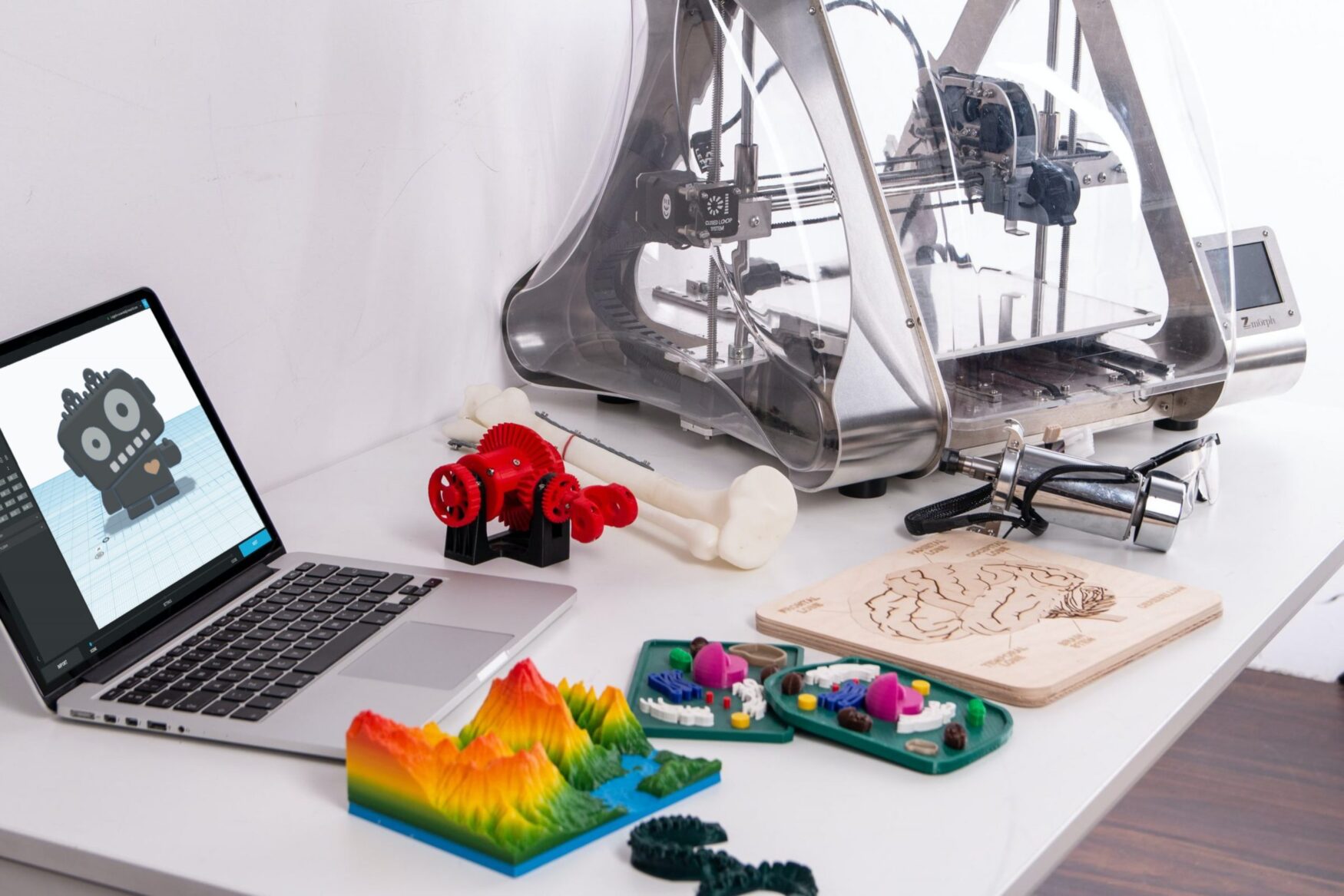
    The modern world has given students access to some of the most advanced tech gadgets available, including 3D printers. Students’ virtual CAD creations can become a reality with the magic of 3D printing manufacturing tools. Almost anything can be printed as long as it fits inside the printer, and the creativity this can unleash in your students can be interminable. While 3D printers are often reserved for offices and labs, there are dozens that are tailored for the classroom, boasting a more affordable price, compact size, and quieter printing. 3D printers can bring any child’s imagination to life, and it is the perfect tool to ignite a lifelong passion for STEM in your students!

    Image Credits

    Coding Tools

    As schools work to reorient students for a world where technology is omnipresent, computer science and coding education is rapidly improving. To facilitate this learning, an increasing number of teachers are turning to coding tools, such as Scratch or Code.org.  These coding tools help give students an early exposure to computer science by challenging them to create a program using block coding. It allows students to have fun creating engaging animations, adding music loops, designing captivating effects, and more – it is a sandbox of creativity! By visually simplifying code and functions into blocks, these coding tools are tailored for students to grasp without much assistance. With the introduction of coding tools in your classroom, you can simply sit back and watch your students’ creative juices flow.

    Image Credits

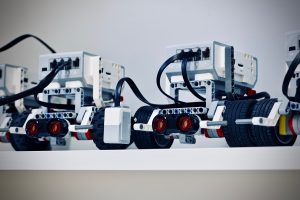
    Robotics Kit

    Robotics kits are a great, hands-on means of facilitating STEM learning in the classroom. With a robotics kit, students will be able to connect STEM concepts to the real world and see different scientific theories at work. These theories range from elementary concepts, such as assembling geometric shapes, to high-school concepts, such as understanding the use of electricity in powering the robot. Both simple and complex concepts can be demonstrated through robotics kits, so it is a great project for any age group. Robotics has become an important addition to many teachers’ classrooms since they stimulate project-based learning and reinforce STEM concepts. With all that being said, however, will this be an addition to yours?

    Image Credits

    Technology can play an important role in the STEM learning process, and it can facilitate and deepen students’ learning experiences. We are certain that these 4 tools can benefit any STEM curriculum and will be an invaluable addition to your classroom and your students’ learning. With these resources in hand, your students will be well-equipped to build a strong STEM foundation that will set them up for success from K to Career.

    Written by: Krithik Ashokkumar

    Your NSTEM Journey Begins Here!

  • What is Environmental Science?

    What is Environmental Science?

    NSTEM and Sustainability

    We now live in a modern, consumerist, and urban existence throughout the developed world. Every day, we continue to consume an alarming amount of natural resources. Here at the National STEM Honor Society, we are committed to environmental sustainability. We view sustainability as a vital part of both operational excellence and educational principles. However, what is sustainability?

    Image Credits

    Environmental sustainability is responsibly interacting with the planet to maintain natural resources and avoid jeopardizing the ability of future generations to meet their needs. According to the United Nations (UN) World Commission on Environment and Development, environmental sustainability ensures future generations have the natural resources available to live an equal, if not better, way of life as current generations.

    Those who might strongly resonate with this idea or continue advocating for it allow me to introduce: environmental science. 

    Well, What is Environmental Science?

    Unlike traditional science classes like biology and chemistry, environmental science is an interdisciplinary academic field that draws on ecology, geology, meteorology, biology, chemistry, engineering, and physics to study environmental problems and human impacts on the environment. Today, environmental scientists work to solve some of the world’s most concerning issues, like climate change and public health. They do this by researching how to identify, control, or eliminate sources of pollutants or hazards affecting the environment. With the research they collect, they try to understand past and present environmental processes. They can then use this understanding to make scientifically-based prognostications. 

    Environmental scientists tend to work in either laboratories or offices. They often also “work in the field,” meaning “in direct contact with a source of data or subject of interest,” which for environmental scientists could mean in a literal field! Research typically involves determining data collection methods, collecting and analyzing air, water, and soil samples, analyzing data gathered by colleagues, looking for correlations to human activity, and preparing reports and presentations. 

    Image Credits

    Other Career Pathways 

    Although most students with a Bachelor’s Degree in environmental science become environmental scientists, that is not your only career option! According to Mendeley Careers, students with a Bachelor’s Degree in environmental science have become lawyers, engineers, and professors, all specializing in environmental science. 

    Environmental Law

    Environmental law is a broad and complex specialism, which is increasingly in demand. It is an area of law that requires a highly technical understanding of environmental issues alongside the fundamental skills and certification to practice law. This career offers an opportunity to work hard to change attitudes and policy as an alternative to searching for scientific solutions to environmental problems.

    Environmental Engineering

    Environmental engineering is not solely concerned with the construction of eco-friendly buildings or renewable energy facilities. It involves all of the ways buildings and sites can impact the environment, including tackling contamination or dealing with wastewater, or developing regulations to prevent mishaps during construction.

    Teaching Environmental Science as a Professor

    Teaching is an imperative aspect of environmental science. Ensuring future generations understand the importance of the environment and the impact humans have upon it is vital to ensure that preservation and conservation continue in the future. Typically, the older the pupils, the more opportunity to specialize in environmental science-related topics – secondary teachers are usually expected to teach physics, chemistry, or biology. 

    We Need More Environmental Science Majors!

    The well-being of our environment is crucial to our existence. Environmental science enlightens us on how to conserve our environment in the face of increasing human population growth and anthropogenic activities that degrade natural resources and ecosystems.

    Written by: Alexandra Sugatan

    Your NSTEM Journey Begins Here!

  • Assuring Students with Disabilities Are Heard in STEM

    Assuring Students with Disabilities Are Heard in STEM

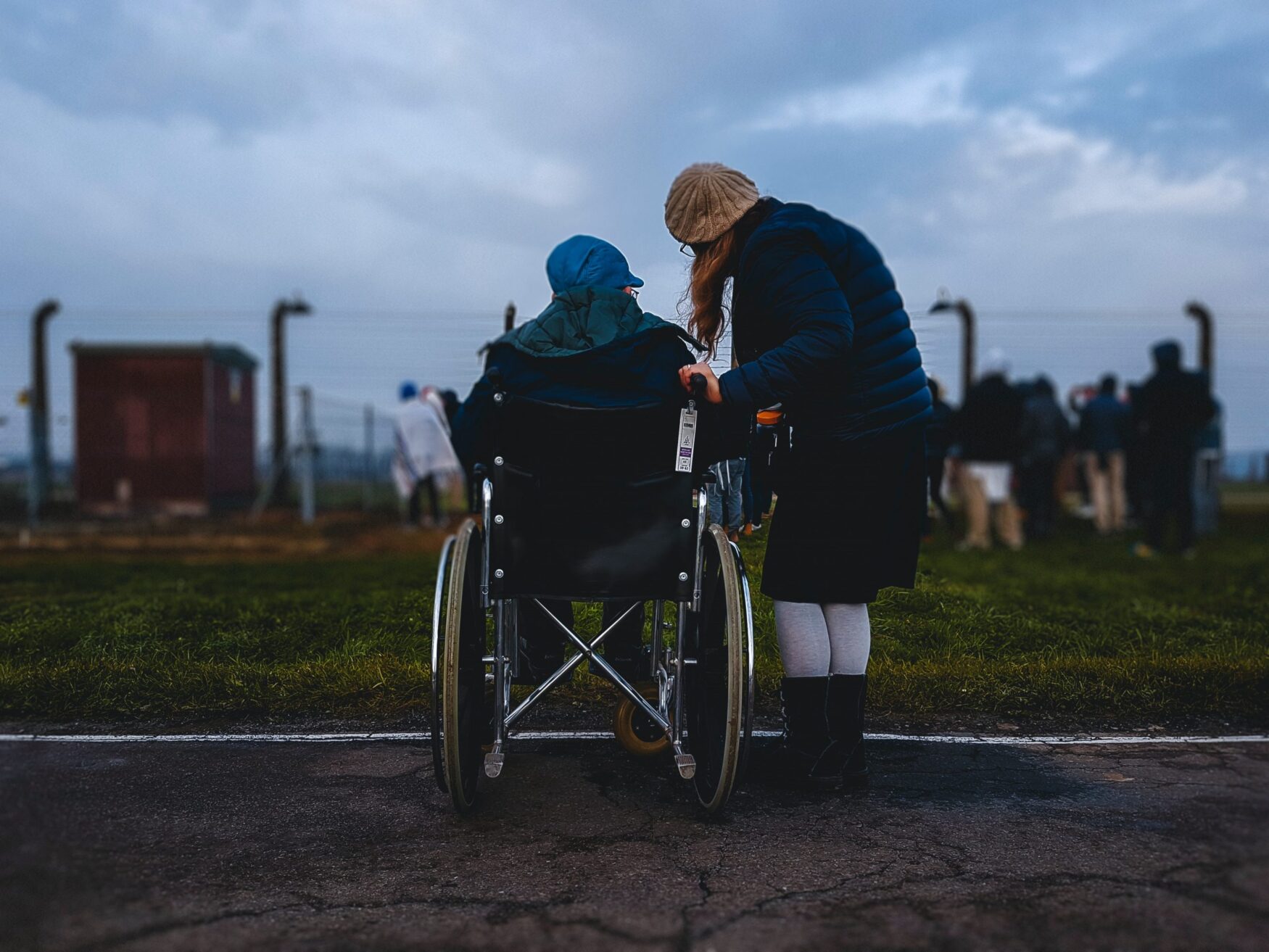
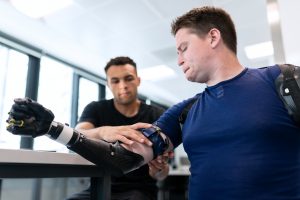
    Those with disabilities may often feel excluded or unwelcome in certain spaces. In a field like STEM where differences are extremely beneficial, disabilities should not be an impediment to excelling in a STEM career or classroom. With that being said, some environments are more inclusive than others, and it is critical as an educator or student to assure that those around you feel (and are) appreciated and celebrated. Read on to learn ways you can be supportive of all your STEM students.

    Give Students Access to Resources Specifically Geared Towards Those with Disabilities

    Being surrounded by people who think or act differently than you can be a challenge. When we see role models that resemble ourselves, we feel like we belong. By providing students access to resources or organizations that honor and understand them, you are helping to wash away some of the stigma that can come along with having a disability. The organizations, groups, and resources that are listed at this link may afford your pupil the opportunity to meet other students like them who share the same passions. Another spectacular webpage is Mount Sinai’s librarian-curated list of resources for diversity initiatives in STEM fields. Be sure to draw attention to scholarships and job opportunities that specifically pertain to your student’s interests and disability. 

    Image Credits

    Highlight Successful STEM Trailblazers with Disabilities 

    Although some view disabilities as a serious impediment to success, many STEM leaders have completely debunked the myth that disabilities define you. Specific STEM figures with disabilities include Stephen Hawking, John Forbes Nash Jr., Temple Grandin, Albert Einstein, Thomas Edison, and Leonardo Da Vinci. Additionally, there are several lesser-known, present-day members of the field that are impacted by various disabilities. These current STEM leaders include: astronomer Wanda Diaz Merced, deaf and hard-of-hearing advocate Caroline Solomon, and mathematician Vernon Smith. When students feel they can identify with STEM leaders, they are more likely to harness the confidence needed to achieve their goals. Therefore, be mindful about your curriculum and the STEM individuals you highlight. Ideally, all your students should see a bit of themselves represented in their coursework.

    Image Credits

    Accommodate Students with Disabilities

    The vast majority of the world was designed with non-disabled folks in mind. Take a hard look at your classroom and practices and think critically about whether or not there may be major obstacles to those with disabilities. Is your room wheelchair accessible? Do students with difficulty seeing have the ability to reserve a seat at the front of the classroom? Do you allow for students with testing accommodations to easily use them? Small adjustments and actions can go a long way. Remember what you and many of your students take for granted and be sure to eliminate as many barriers as possible in order to promote effective and enjoyable learning.

    Image Credits

    Check In with Your Students

    The best way to assess how accessible and friendly your classroom is to those with disabilities is to ask the students themselves. Have an open line of communication with your students so that you can assure their needs are being met and that you are doing everything you can to aid them in their learning. Many students are nervous to come to their teachers with their troubles or suggestions, so make it abundantly clear that you will do everything you can to help. 

    When in doubt, be empathetic. Attempt to imagine what it would feel like to live with a disability every day. Ask yourself what you would wish others did to help, and try to carry out those actions. Remember to always be patient, supportive, and understanding. 

    Written by: Lucy Reid

    Your NSTEM Journey Begins Here!

  • 3 Hispanic Women Who Changed the STEM World!

    3 Hispanic Women Who Changed the STEM World!

    As Hispanic-Heritage month approaches, it’s important to recognize the influence of Hispanic Americans on the history, culture, and achievements of the United States. It’s especially important to reflect on the contributions Hispanic women have made in the STEM community. 

    In fact, only 27 percent of STEM professionals and workers are women and only 2 percent of that represents Hispanic This blog will focus on only 3 STEM Hispanic women, but they are very important and serve as a reminder of what the STEM world needs more of!

    In no particular order, here are 3 Latinas who have changed the STEM world:

    1. Dr. Ellen Ocha

    Credit: NASA

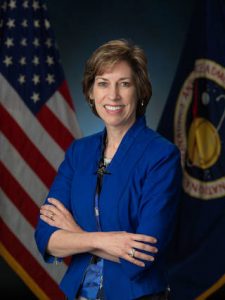
    Ellen Ocha is an astronaut and a scientist from California. Over her course as a student, she obtained not only her bachelor’s degree in physics but a masters and her doctorate in electrical engineering. While she worked as a research engineer for NASA she helped invent 3 patents for optical inspection systems, an optical object recognition method, and a method for noise removal in her images. Her greatest accomplishment, though, is becoming the first Hispanic woman to go to space in 1993. In addition, she has since become the first Hispanic and second female director of Johnson Space Center.

    2. Vanessa Galvez

    Image Credits

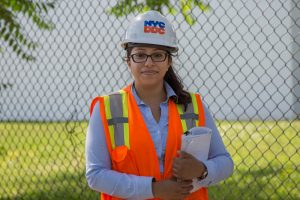
    Vanessa Galvez is a civil engineer working in New York City. She works with the New York City Department of Design and Construction to oversee the construction of bioswales to minimize pollution and reduce stormwater runoff. She became interested in civil engineering after watching a documentary about Hurricane Katrina in high school. She also credits the memory of “seeing children play 

    in dirty water” during her visit to El Salvador as something that motivated her to use engineering to help improve the quality of life. 

    3. Stephanie Castillo

    Image Credits

    Stephanie Castillo is a Chicago native focusing her time on encouraging Latinas to get involved in technology at a young age. She is the founder of the organization, Latinas Girls Code, which provides young Latinas with education and resources in technology. Stephanie recognizes the statistics mentioned above, and she is hoping to improve the numbers with her organization. Her organization is similar to NSTEM’s, which is also dedicated to providing young children the resources to be involved in STEM. 

    Wow! Aren’t those women amazing? These 3 women individually paved the way for the Hispanic community to gain more recognition in the STEM world. It is inspiring to see their impact on inclusion and diversity. 

    If you liked this blog, you can read more about Hispanic-heritage month at https://nstem.org/staging/blog/

    Written by: Kathryn Cottingham

    September 25, 2021

    Your NSTEM Journey Begins Here!