Author: NSTEM Media

  • The Top 3 Virtual Science Experiments for Your K-2 STEM Classroom 

    The Top 3 Virtual Science Experiments for Your K-2 STEM Classroom 


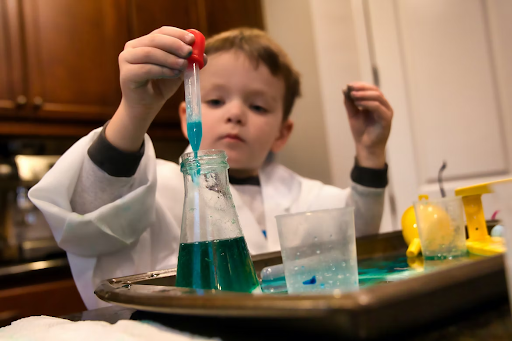
    Little boy working with chemicals
    Photo courtesy of Unsplash

    Have you ever wanted to perform experiments with your kids in virtual meetings? As technology continues to improve, virtual meetings are becoming more common in your child’s education. Virtual science experiments are fun ways to learn about science from the comfort of your own home. Here are three fun virtual experiments for K-2 students.   

       1. Magnets Experiment

    Performing a simple experiment with magnets is a great way to introduce your kids to virtual experiments. This experiment will teach your kids about magnetic fields as well as educate them on the properties of magnets. Magnets are surrounded by fields that move electric charges, which affect magnets and metals. Your kids can see how magnets attract or repel each other, attract certain metals, and how they fail to work with nonmetals. The only materials you need for this experiment are a set of magnets,  pieces of iron, and a piece of wood. An inexpensive magnet set can be found here in this link for $14.59. This experiment is quite quick to complete and will take no longer than 20 minutes.  

       2. Density Experiment

    Another fun experiment that can be performed virtually is a density experiment.With this experiment, kids can learn about the concepts of density in a fun and engaging manner. Density is the number of mass an object has per unit volume. Kids will place different objects within different liquids inside of a container. A dense object will sink towards the bottom of a container, while a non-dense object will float towards the top of the container. This concept also applies to liquids since less dense liquids will float above dense liquids. What makes this experiment really fun is how you can customize this experiment. You can decide what type of materials you want to use for this experiment as long as you have a proper container. For the liquids, you can use water, corn syrup, vegetable oil, etc. Some objects that your kids can use are waterproof toys, stones, or balls. This experiment is inexpensive since most of the materials can be found inside your own kitchen. It also will not take very long to finish this experiment.

    For more information about this experiment, you can check out this NSTEM resource about Density.   

       3. Sink or Float Experiment

    Last but not least, here is an experiment that centers around buoyancy. This easy experiment allows for kids to explore why certain objects sink or float when submerged in water. Buoyancy is an upward force that causes an object to float when touching the water. Different types of objects such as buoys and ships use buoyancy to float on the water’s surface. For this experiment, kids will place objects with varying densities inside of a container of water. Once the children have placed their objects, they will then record their observations of the buoyancy of the objects. As the kids keep experimenting, they will begin to notice how dense objects sink while the non-dense objects float. Kids will have fun seeing how different objects have different levels of buoyancy. All you need for this experiment is a container of water and a variety of objects. This experiment can be performed quickly and your kids will be sure to have lots of fun. 

    Check out this NSTEM resource for more information about this experiment.

    by Nathan Li

    Do you want more resources on the topic of virtual experiments? NSTEM’s vast resources database provides thousands of STEM resources that are searchable by category, school level and state. This comprehensive library includes info on enrichment activities, curricula, internships, scholarships and more. Check out a free sampling here. Or get an NSTEM membership today to unlock the complete list. 

    K-2 is where it all starts with STEM education. The National STEM Honor Society focuses on “From K to Career, NSTEM from the Start!” To start your K-2 Chapter of the National STEM Honor Society, click here.


     

  • National STEM College Scholarships for High School Students

    National STEM College Scholarships for High School Students


    graduation cap with scholarship money
    Photo courtesy of Pixabay

    As a high school student getting ready to head off to college, you might be worried about the cost of tuition. Fortunately, there are many scholarships available that can help you fund your education. Database websites, like Fastweb, Scholarships.com and the College Board, will help you with the search. But there are additional search databases that can aid you in your search as well, including the NSTEM resource database. Below are several national STEM college scholarships for high school students that were drawn from NSTEM’s vast resource database.

    1.  The Gates Scholarships

    The Gates Scholarships Program is a highly competitive scholarship program that awards full-ride scholarships to outstanding minority students who demonstrate academic excellence, leadership, and community service. The scholarship is open to high school seniors who are African American, American Indian/Alaska Native, Asian American, or Pacific Islander, and who have a minimum GPA of 3.3.

    2.  Society of Women Engineers

    The Society of Women Engineers (SWE) offers a variety of scholarships to high school seniors who plan to pursue a degree in engineering or technology. These scholarships range from $1,000 to $15,000 and are open to those who identify as women. To be eligible, you must have a minimum GPA of 3.0 and be a U.S. citizen or permanent resident.

    3.  Microsoft Scholarships

    The Microsoft Scholarship Program awards tuition and conference scholarships to encourage students to further their learnings in computer science and related STEM disciplines. Recipients are recognized for their passion for technology, academic excellence, and leadership, all while working to push the software industry forward.

    4.  Barry Goldwater Scholarship

    The Barry Goldwater Scholarship is a highly competitive scholarship program that awards up to $7,500 per year to outstanding undergraduate students who plan to pursue a career in science, mathematics, or engineering. The scholarship is open to U.S. citizens, permanent residents, or nationals who have a minimum GPA of 3.0.

    5.  American Chemical Society

    The American Chemical Society (ACS) offers a variety of scholarships and awards to undergraduate and graduate students who plan to pursue a career in chemistry or a related field. Some of these programs include the ACS Scholars Program, the ACS Division of Analytical Chemistry Undergraduate Scholarship, and the ACS Division of Organic Chemistry Summer Undergraduate Research Fellowship.

    6.  Lockheed Martin STEM Scholarship Program

    The Lockheed Martin STEM Scholarship Program was launched as part of investment in the next generation of STEM talent. Each year, the STEM Scholarship Program awards $10,000 to 200 recipients studying engineering or computer science at a 4-year college or university. Additional consideration is given to applicants who self-identify as members of groups that are traditionally underrepresented in STEM careers. Recipients may renew the scholarship up to three times for a total potential value of $40,000 per student.

    7.  BAE Systems FIRST Scholarship Program

    The BAE Systems FIRST Scholarship Program is a nation-wide annual program that enhances opportunities for students that plan to seek a career in engineering and computer science. Students are eligible who have been on a FIRST Robotics Competition or FIRST Tech Challenge team sponsored by the company’s Electronic Systems sector during the current year’s competition season.

    Tip: Students shouldn’t rule out looking for local scholarships, since these awards are often less competitive. Still, national scholarships can be financially rewarding. Try applying for a mix of scholarship offerings. Remember to apply early and often, and don’t be discouraged if you don’t receive a scholarship right away. Scholarship deadlines occur throughout the year. Also, you can continue to apply for scholarships throughout your college career. With perseverance and dedication, you can achieve your goals and make your college dreams a reality.

    By Maureen Ryan Thorpe


    Do you want more resources on the topic of scholarships? NSTEM’s vast resources database provides thousands of STEM resources that are searchable by category, school level and state. This comprehensive library includes info on scholarships, internships, enrichment activities, curricula and more. Check out a free sampling here. Or get an NSTEM membership today to unlock the complete list.

    Project-based learning enrichment provides high school students with college and career readiness. It gives them real world relevance, transforming students into collaborators and imaginative problem solvers. They will gain the upper hand in a global landscape, stemming from enhanced confidence and grit. NSTEM provides these young STEM enthusiasts with a close community of like-minded fellow students and educators. To start your 9-12 Chapter of the National STEM Honor Society, click here.


  • 3 Fascinating Solar Projects for Your K-2 Students

    3 Fascinating Solar Projects for Your K-2 Students


    solar power projects for kids
    Photo courtesy of Unsplash

    Do you want to give your K-2 students and kids amazing STEM projects? Helping the young minds of our future is one of the most important things that you can do. If you’re wondering about challenging and fun projects you can give to your students, worry no more. Here are 3 fascinating solar projects for your K-2 students.

    1.  Solar Food Cooker Project

    This solar food cooker is a very fun way to bring more STEM into your students’ lives. All you have to do is get a pizza box and cut a hole in it. You then line the bottom of the pizza with black construction paper. Next, create a lid with aluminum foil at the top of the pizza box. Put chocolate and marshmallows in the pizza box. Set it outside in front of the sun and you can see as the chocolate will melt on top of the marshmallows. 

    By completing this project, you can teach your kids about heat, reflection and absorption. Heat is a form of energy, so with this project, you practice this concept as you transfer the sun’s heat for the solar oven. The shiny foil will show your kids the practice of reflection to reflect the sun’s light to heat up your oven. Finally, the oven will demonstrate the process of absorption, because the material absorbs the sun’s energy—instead of reflecting it—to cook your food. 

    2.  Solar Updraft Tower

    A solar updraft tower can create electricity from low-temperature solar heat. When the sun shines on the structure, the heat of the sun gets trapped underneath. It then heats the air of the canopy, and since the hot air is less dense than the cold air, the structure rises. Because of this, the solar radiation has a constant updraft in the tower. The little wind turbines that are installed inside the tower convert the energy from the sun to move the blades of the propeller. This project is amazing and easy for your young students. 

    Next, you will roll black construction paper into a cone and tape the cone to make it stay. At the bottom of the cone, cut three equally distanced arches out. Cut out a propeller and bend the blades of the propellers about 45 degrees downwards. Then with some tape and a needle, attach the propeller into the top of the cone. 

    Place your structure outside when it is sunny and windy. Switch on a lamp right next to the solar updraft tower. Watch as your propeller starts spinning and the tower drifts upwards. Let your students have a lot of fun!

    Solar power projects for kids
    Photo courtesy of Unsplash

    3.  Solar-Powered Water Desalination

    This easy and fun project lets you convert sea/salt water into drinking water. The heat from the sun gets amplified in this project. It then leads to condensation where the bacteria and salt from the water starts to go away. Eventually, it gets to the level of evaporation, which makes all of the salt and bacteria go away. Finally, the sea water becomes drinkable water and your students created drinkable water for themselves. 

    Insert the stem of the funnel instead of the short end of the straw, then push the straw funnel upwards into the side of the container. Connect the other end of the straw to another container so the drinkable water can flow into that. Cover the openings of the container with plastic wrap but leave the funnel open. Make sure there are no holes in either container. Put the saltwater into the container that has the funnel. Then, place it outside in the sun and watch as the heat leads to drinkable water. 

    By Francesca Lisbino

    Do you want more resources on the topic of solar power activities? NSTEM’s vast resources database provides thousands of STEM resources that are searchable by category, school level and state. This comprehensive library includes info on enrichment activities, curricula, internships, scholarships and more. Check out a free sampling here. Or get an NSTEM membership today to unlock the complete list.

    K-2 is where it all starts with STEM education. The National STEM Honor Society focuses on “From K to Career, NSTEM from the Start!” To start your K-2 Chapter of the National STEM Honor Society, click here.
     

  • 3 Robotics Competitions for Middle-School Students

    3 Robotics Competitions for Middle-School Students

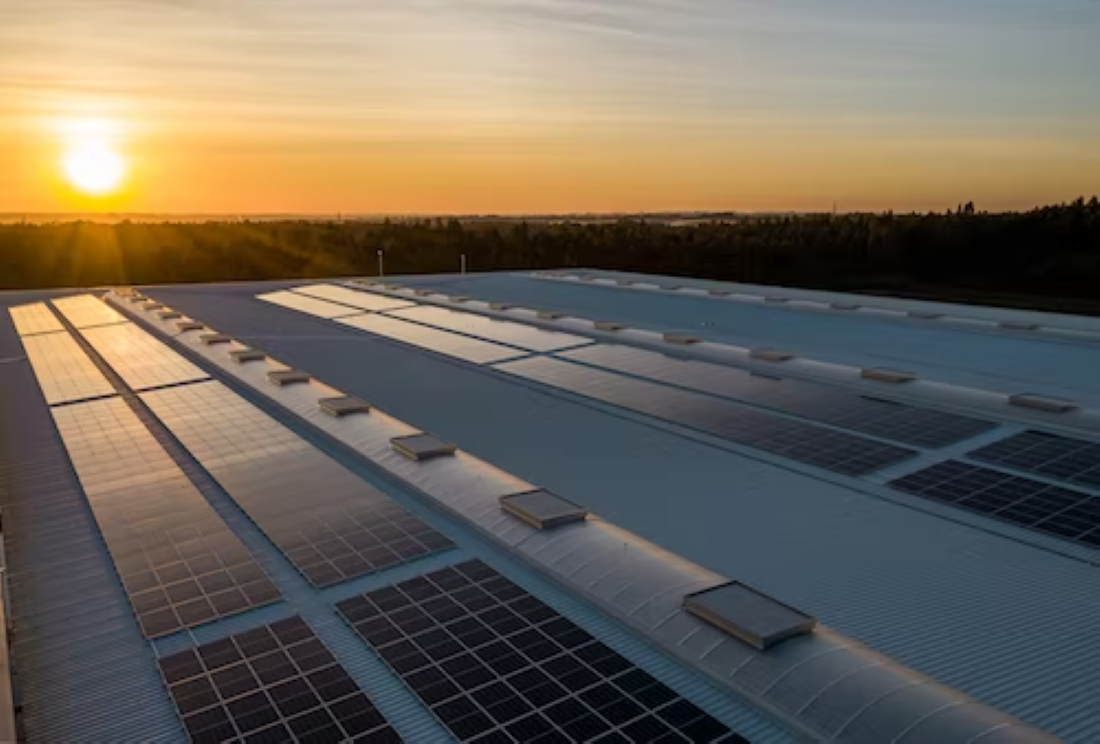
    Robotics competitions for middle school.

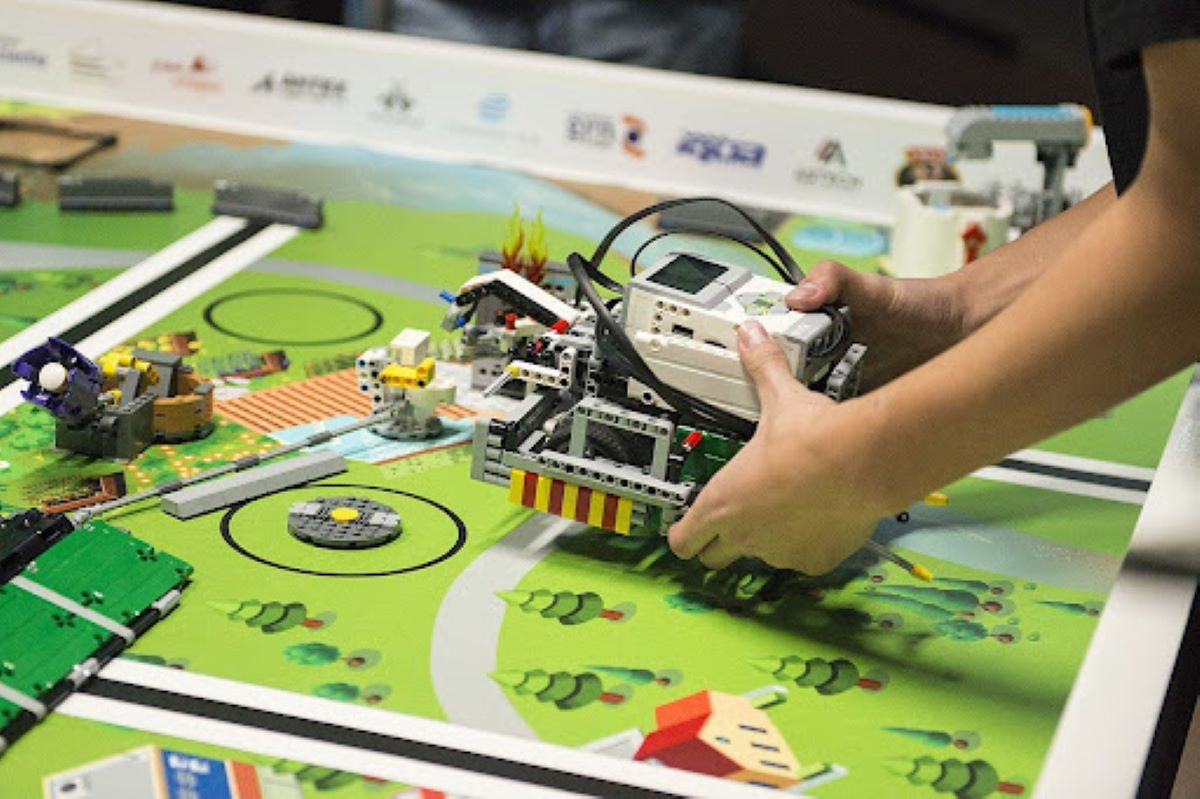
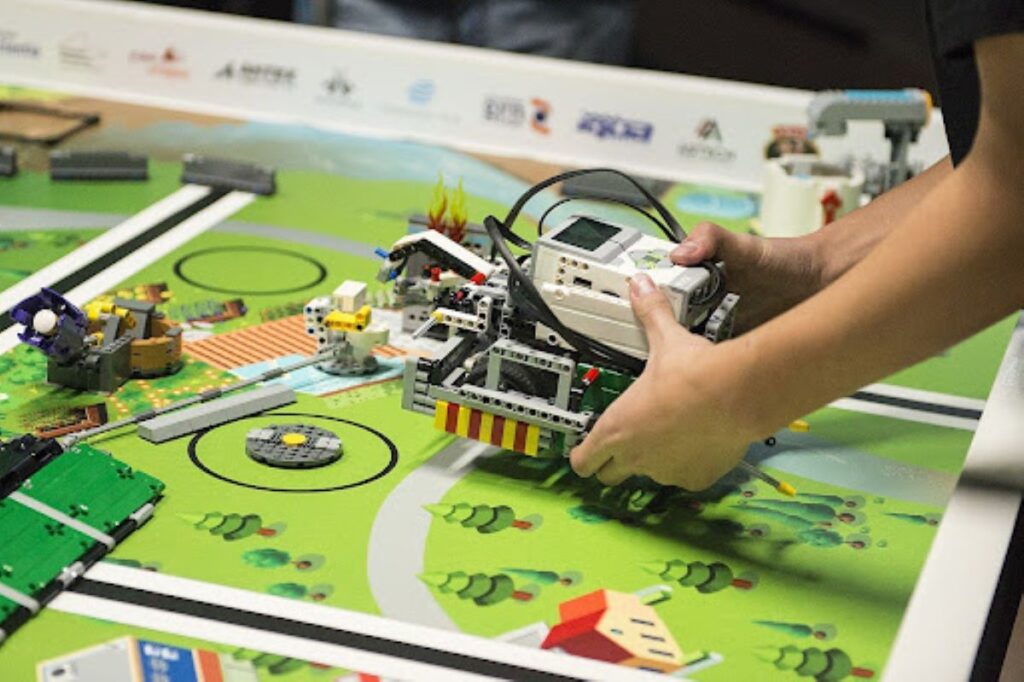
    Photo courtesy of Space.comRobotics competitions allow middle-school students to apply their hobbies and interests to real-world scenarios. Whether you’re a teacher who wants to inspire your students’ academic passion or a parent who wishes to help your child develop more interest in STEM, here are three robotics competitions you can introduce to middle schoolers to help improve their academic and life skills.

    1.  FIRST® LEGO® League Challenge

    The FIRST® LEGO® League Challenge is a competition for grades 4-8 students who assemble their own teams to design, build and program an autonomous robot using SPIKE Prime technology. The students will be able to put STEM concepts into practice and learn about team collaboration throughout the process. This competition is a low-stress and friendly match that helps middle schoolers explore their own passion in the field of engineering and physics. The FIRST® LEGO® League Challenges take place around the world. You simply apply on the website in your local region to have your students compete in this inclusive and educational competition. 

    2.  Regional Robotics

    Regional Autonomous Robots
    Photo courtesy of RARC

    Another fun competition is hosted by the Regional Autonomous Robotics Circuit (RARC), which brings the game home and helps your students compete in a safe and familiar location. The RARC CYBER contest is a virtual cybersecurity game in a “capture the flag” format. This competition will provide sufficient supplies and sophisticated guidance to help competitors engage in a fair and educational match. 

    The location is determined by the middle school divisions that host a RARC-sponsored robotic competition. The purpose of the competition is to help middle-school students develop the ability to collaborate, critically think, and problem solve in a STEM environment. Moreover, hosting events in the local region will give many students the opportunity to explore without extra spending and in a friendly and inclusive environment.

    View RARC Coaches Manual PDF

    Children at Vex Robotics competition
    Photo courtesy of Vex Robotics

    3.  Vex Robotics

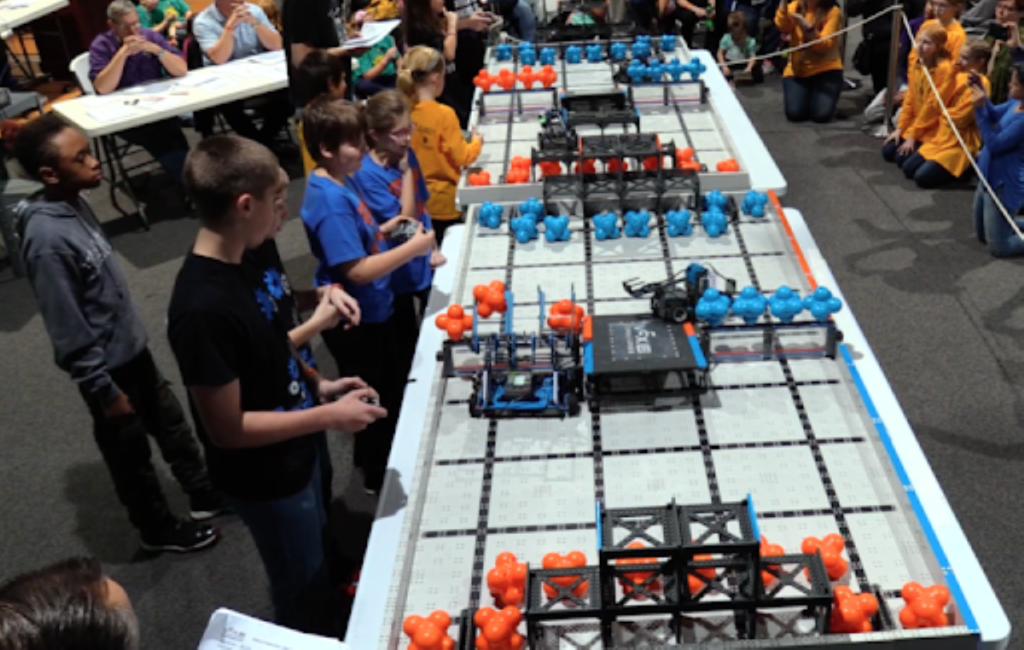
    Finally, if your students are enthusiastic about robotics and love the spirit of the competition, VEX Robotic competition will offer a range of challenges for competitors to solve. VEX hosts global events, where students can simply stay at home and participate in an exciting journey of robotic competition. Middle-school students can sign up as pairs to win a prize by competing in the 2023 competition, then “spinning” off where individuals need to complete the objectives in one minute. The competition aims to help students develop their virtual skills, such as coding and online collaboration. 

    In addition to this competition, VEX offers several other challenges such as “Robot Skill Challenges,” by completely assembling a robot in a limited time, or “VEX AI Competition,” where they use machine learning strategies to compete with each other. If those sound like your students, definitely sign them up!

    Robotic competition has become an innovative educational method to help middle school students seek their own learning method and apply conceptual knowledge to solve real-world problems.

    To align with a better education system, NSTEM’s chapters aim to improve students’ learning experiences by promoting a robust, interdisciplinary, hands-on, project-based learning approach, helping students gain a deeper understanding of real-world problems while exposing them to potential career interests.

    By Zhe “Tom” Yuan

    Do you want more resources on the topic of robotics competitions? NSTEM’s vast resources database provides thousands of STEM resources that are searchable by category, school level and state. This comprehensive library includes info on enrichment activities, curricula, internships, scholarships and more. Check out a free sampling here. Or get an NSTEM membership today to unlock the complete list. 

    Middle school is where students are transformed, entering as children and emerging as young adults. Project-based learning enrichment helps students connect the dots between STEM and real life, making math and science relevant for them, keeping them engaged and interested. With a meaningful middle school experience, students are far more likely to focus on STEM disciplines in high school and beyond.  To start your 6-8, middle school chapter of the National STEM Honor Society, click here.
  • Empowering the Future: 4 Solar Power Projects for Middle-School Students

    Empowering the Future: 4 Solar Power Projects for Middle-School Students

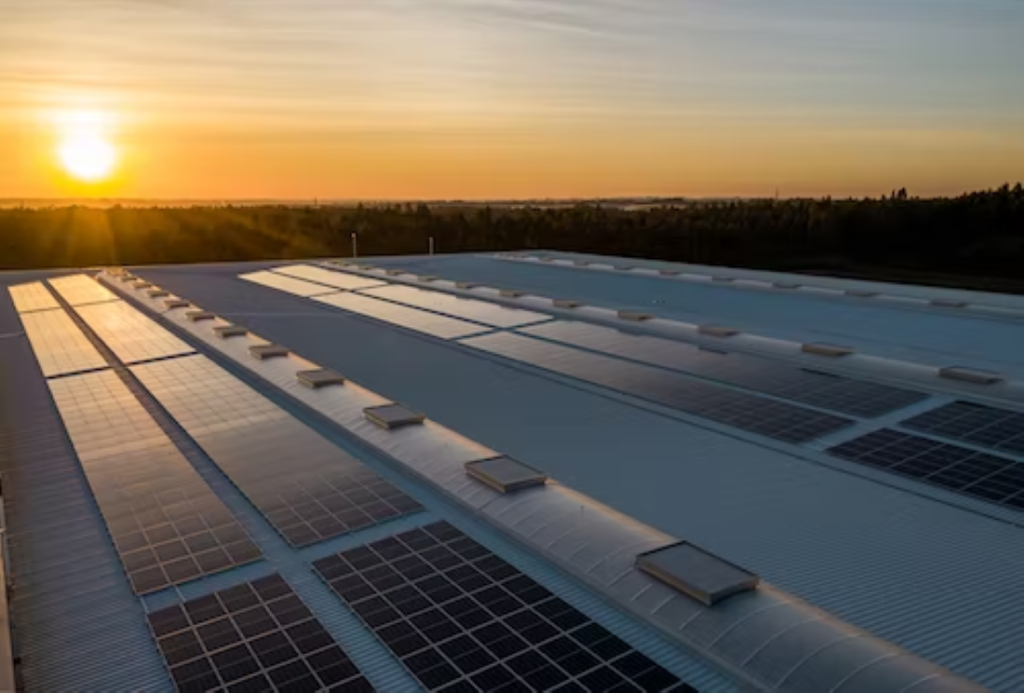
    Solar panel ideas

    Photo courtesy of Mind KitsAre you looking for projects to make students aware of sustainability or energy conservation? Or are you a parent who wishes to inspire your children’s passion for STEM? Here are three solar power projects to help middle-school students explore and develop a better understanding of energy. These resources are from or inspired by the National STEM Honor Society Resources section of our website for members. 

    1.  SPARK Solar Educational Programs

    SPARK provides schools with access to data from solar installations across the state and curriculums to study solar energy. To understand the mechanism of renewable energy systems, middle-school students will research and analyze the data from these solar installations. If your students are looking for scientific research or wish to study solar power in depth, the SPARK program offers an inclusive hands-on learning experience for middle schools to develop an educational understanding of renewable energy.

    2.  NEED Solar Kits

    Not all middle schoolers are looking to become a researcher or pursue a solar power career. NEED (National Energy Education Development) provides a curriculum that focuses on helping students develop the awareness and necessary skills for energy education. NEED has designed some of the most fundamental projects to help students understand the principle of solar energy. Each component of the curriculum aims to help instructors and students collaboratively build an understanding of renewable energy. Learn more about NEED here. 

    The solar curriculum intends to introduce classroom-based activities. Students will learn that the sun’s energy produces another form of energy by crafting their own solar panels and projects. The curriculum kit includes a teacher guide and a class set of 30 student guides that help students and instructors successfully complete the assignments. There are numerous materials in the kit such as building a solar balloon, solar light bulbs, or experimenting with building a solar panel. With these kits, you can provide students with new ways of exploring solar energy and combine it with the lecture to consolidate their understanding. 

    3.  Solar-powered Water Desalination 

    Building a solar-powered device can reduce our dependence on other energy sources and help save the Earth. You can help your students put theoretical knowledge into practice by turning seawater from the oceans into fresh water that is suitable for people to drink – using a solar desalination process. With the resources you have, you can divide students into small groups, where students will learn about collaborating with each other. The students will not only be given first-hand experience by crafting their own solar power device, but the project may inspire their interest in a growing STEM field.


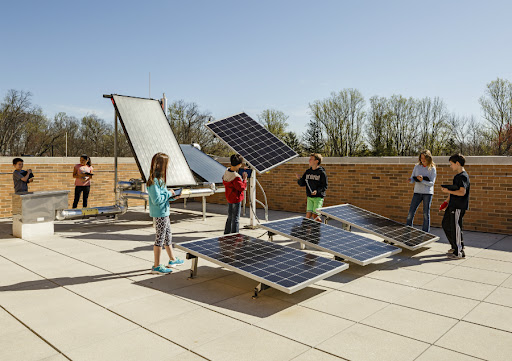
    Kids working on solar panels project
    Photo courtesy of Inside Climate News


    4.  Solar-Powered Model Car

    If you are a parent who aims to improve your children’s interest in STEM, try to let them build something they have played with since their youth, such as building their first solar power car. To build their own solar-powered car, they would need to conduct research and apply classroom knowledge in practice to complete the project. The process of making their own solar power car can help children understand the true value of solar power and apply their interest to real use. This project only requires a few items such as solar panels, card bards, and wheels, which you can buy from retailers and are easy to install in a few days. Children can start to build independent thinking through such experiences and learn STEM from a new perspective. 

    Solar power projects emphasize the importance of practical and hands-on learning experiences for middle schoolers. At NSTEM, we offer “project-based learning programming” that provides middle schoolers with the ability to explore their own interest in the STEM field. It aims to improve classroom learning by offering our well-designed curriculum to middle school students to ignite long-term interest in STEM studies and their future endeavors. 

    By Zhen “Tom” Yuan

    Do you want more resources on the topic of solar power projects? NSTEM’s vast resources database provides thousands of STEM resources that are searchable by category, school level and state. This comprehensive library includes info on enrichment activities, curricula, internships, scholarships and more. Check out a free sampling here. Or get an NSTEM membership today to unlock the complete list. 

    Middle School is where students are transformed, entering as children and emerging as young adults. Project-based learning enrichment helps students connect the dots between STEM and real life, making math and science relevant for them, keeping them engaged and interested. With a meaningful middle school experience, students are far more likely to focus on STEM disciplines in high school and beyond. To start your 6-8, middle school chapter of the National STEM Honor Society, click here. 

     

  • 12 Science Fair Project Ideas for Elementary Schoolers

    12 Science Fair Project Ideas for Elementary Schoolers


    Science fair projects for grades 3-5
    Photo courtesy of Unsplash

    Elementary school science fair projects are a fantastic way for students to learn about the scientific process and develop critical thinking skills. They allow students to explore their own interests and passions while also learning about the world around them. Whether you are a teacher looking for ideas for your students or a parent looking to help your child with a science fair project, we have compiled a list of 12 science fair project ideas for elementary schoolers.

    1.  Water Cycle Experiment

    This experiment allows students to observe the water cycle in action. By creating a simple water cycle model, students can learn about the evaporation, condensation and precipitation that occurs in the water cycle. Learn more at the following NSTEM resource: https://www.irwp.org/youtheducation

    2.  Edgerton Center STEM Projects 

    The Edgerton Center’s “Do-It-Yourself” instructional guides promote STEM skills and awareness by providing students with the opportunity to engage in hands-on projects and experiments. These guides contain materials lists and step-by-step procedures that allow students to easily follow along and complete the project. Check them out here. 

    The guides also encourage students to pursue their own personal learning goals by substituting materials, tinkering, and exploring concepts as their interest leads. This allows students to customize their projects and really dive deep into the scientific principles behind them. These guides are perfect for elementary school students participating in a science fair, as they provide a fun and engaging way for students to learn about STEM concepts and demonstrate their understanding through hands-on projects.

    3.  Project WET  

     This is a fantastic resource for elementary school students participating in a science fair. Its focus on water sustainability education makes it perfect for students who are interested in exploring the ways in which we can protect and preserve our water resources. The program’s interdisciplinary approach means that it covers a wide range of topics, making it suitable for a variety of student interests. 

    Additionally, Project WET provides outreach and training for educators, ensuring that they have the knowledge and resources needed to effectively teach students about water sustainability. The hands-on programming encourages critical thinking and helps students develop the skills they need to explore scientific concepts in a deeper, more meaningful way. Overall, Project WET is a fantastic resource for elementary school students looking to learn more about water sustainability and make a positive impact on the world around them.

    4.  Seed Germination

    In this experiment, students will observe the process of seed germination and the factors that affect it. By planting seeds in different types of soil and under different conditions, students can learn about the conditions that are necessary for seeds to grow. Take a look at the following NSTEM resource: https://www.laseagrant.org/education/projects/coastal-roots/. 

    Here are additional projects: 

    5.  Plant Growth: This experiment allows students to observe the effects of different variables on plant growth. Students can choose to test the effects of different types of soil, amounts of sunlight, or amounts of water on a plant’s growth. By the end of the experiment, students can compare the results and draw conclusions about which variables were most important for plant growth.

    6.  Egg Drop: This classic experiment challenges students to design and create a structure that will protect an egg from breaking when dropped from a certain height. This project teaches students about engineering principles and problem-solving skills.

    7.  Color Changing Flowers: In this experiment, students will observe the effects of different colored water on the color of flowers. By placing flowers in different colored water and observing the changes in their petals, students will learn about the movement of water through plants.

    8.  Dissolving Candy: This experiment allows students to observe the effects of different liquids on the dissolution of candy. By placing different types of candy in different liquids and observing the rate at which they dissolve, students can learn about the solubility of different substances.

    9.  Making a Battery: This project allows students to create their own battery using a lemon and other household items. By following a simple set of instructions, students can learn about the principles of electricity and how a battery works.

    10.  Static Electricity: This experiment allows students to learn about static electricity and how it is created. By rubbing different materials together and observing the effects, students can learn about the transfer of electrons and the role it plays in creating static electricity.

    11.  Solar Oven: This project allows students to create their own solar oven and use it to cook food. By following a set of instructions, students can learn about the principles of solar energy and how it can be used to cook food.

    12.  Bouncing Eggs: In this experiment, students will observe the effects of different liquids on the bounciness of eggs. By placing eggs in different liquids and observing their bounciness, students can learn about the density of different substances and how it affects their buoyancy.

    These 12 science fair project ideas for elementary schoolers are just a few of the many options available for encouraging your students’ love for science. By engaging in hands-on learning and exploring their own scientific interests, your students will not only gain a deeper understanding of scientific concepts, but also develop important problem-solving and critical thinking skills. Encourage your students to think creatively and have fun while learning about science with these exciting projects.

    By Lakshya Jain

    Do you want more resources on the topic of science fair projects? NSTEM’s vast resources database provides thousands of STEM resources that are searchable by category, school level and state. This comprehensive library includes info on enrichment activities, curricula, internships, scholarships and more. Check out a free sampling here. Or get an NSTEM membership today to unlock the complete list. 

    Grades 3-5 continue the STEM education journey, where students are interested in the natural world, in how things work, responding to stories told by teachers that give purpose and meaning to STEM disciplines, which molds them into thinkers, problem solvers and creators. The National STEM Honor Society sees grades 3-5 as a critical point in the NSTEM journey. To start your grade 3-5 chapter of the National STEM Honor Society, click here.