Author: NSTEM Media

  • The Power of Data: 5 Careers in Data Science and Analytics

    The Power of Data: 5 Careers in Data Science and Analytics

    Photo courtesy of Pixabay

    Data has emerged as a transformative force in the digital era, reshaping industries globally. The capacity to derive insights from data sets has opened up diverse career opportunities in the realm of data science and analytics. This post delves into five STEM careers leading the charge in the data-driven revolution.

    1. Data Scientist

    At the core of data science, data scientists interpret information using advanced statistical modeling and machine learning techniques. They navigate complex datasets, extracting patterns and crucial information that guide business decisions and solve intricate data problems.

    To learn more about this career, visit Data Scientist – Coursera.org.


    2. Data Analyst

    Data analysts have expertise in collecting, processing, and analyzing data to provide organizations with actionable insights. Cleaning and interpreting many large data sets, these professionals work in many industries, including finance, business, science, medicine, government, and more. Data analysts are behind all types of informed decision-making, from understanding customer behavior to optimizing operations.

    To learn more about this career, visit Data Analyst – Coursera.org.


    3. Business Intelligence Analyst

    Business intelligence analysts use raw information to create compelling narratives through data dashboards and reports. These professionals analyze and interpret complex data in reports to help organizations make data-driven decisions. This job includes using data visualization software to empower businesses to visualize metrics, facilitating strategic decision-making, and creating a data-focused organizational culture.

    To learn more about this career, visit Business Intelligence Analyst – Coursera.org.


    4. Data Engineer

    Data engineers take on one of the most technical profiles in data science. These professionals move between software development and data science, designing the systems behind data collection, storage, and analysis. They create and maintain databases that hold large, complex data sets and ensure that data is secure, well-organized, accurate, and accessible.

    To learn more about biotechnology, visit Data Engineer – Coursera.org.


    5. Marketing Analyst

    Marketing analysts combine advertising with data science to create optimized marketing strategies for businesses and organizations. This career prioritizes data analysis in areas like consumer behavior, marketing performance, and market trends. These insights are then used to create more effective marketing strategies for companies. These professionals guide organizations’ marketing decisions and support their advertising efforts.

    To learn more about this career, visit Marketing Analyst – Coursera.org.


    As organizations continue to rely on data to navigate their business practices and insights, the demand for data science and analytics professionals continues to grow. These STEM careers provide exciting challenges and individuals with opportunities to shape the future through data. With a passion for information, professionals in this field can impact organizations incredibly. So, which career will you choose?

    By Tyler King

    Do you want more resources on the topic of STEM careers? NSTEM’s vast resources database provides thousands of searchable STEM resources by category, school level, and state. This comprehensive library includes info on enrichment activities, curricula, internships, scholarships, and more. Check out a free sampling here. Or get an NSTEM membership today to unlock the complete list.

    Project-based learning enrichment provides high school students with college and career readiness. It gives them real-world relevance, transforming students into collaborators and imaginative problem solvers. They will gain the upper hand in a global landscape, stemming from enhanced confidence and grit. NSTEM provides these young STEM enthusiasts with a close community of like-minded fellow students and educators.  To start your 9-12 Chapter of the National STEM Honor Society, click here.

  • Winter Wildlife Wonders: 3 Biology Activities for Elementary Kids

    Winter Wildlife Wonders: 3 Biology Activities for Elementary Kids

    Photo courtesy of Pixabay

    As the winter season blankets the world, it offers a unique opportunity for elementary kids to explore the wonders of wildlife biology in a frosty setting. Engaging with the natural world during this chilly season can be a captivating and educational experience for young minds. Let’s delve into creative and hands-on activities that embrace the beauty of winter and offer insights into the lives of creatures thriving in colder climates. From pine cones to penguins, these winter biology activities are designed to spark curiosity and foster a deeper appreciation for the biological beings of winter.

    1. Keeping Arctic Animals Warm

    In this activity, students explore how penguins, polar bears, and other Arctic animals stay warm with their layers of fat. First, an ice-cold bowl of water is prepared as the testing environment. Then, students will wear latex gloves, dip their hands in a baggie of shortening, and immerse them in the water again. It becomes clear that the fat acts as insulation and protection against the cold. This activity showcases the biological adaptations that animals have developed to live in cold weather.

    Activity link: Arctic Animals Science Experiment

    Materials needed: ice cubes, cold water, shortening, baggies, and latex gloves.


    2. Pine Cone Opening

    In this activity, students learn how pine cones react to different temperature changes and seasons. When placed in a glass of cold water, or “winter,” they respond much differently than in warm water. This experiment showcases how pine cones use their biological adaptations to know when to release their seeds based on external temperature. It also allows students to get outside in the snow or cold and find cool pine cones!

    Activity link: Pine Cone Science Experiment

    Materials needed: glasses or jars, pine cones, warm water, and cold water.


    3. How Penguins Stay Dry

    With this project, elementary school students can explore a metaphorical comparison of how penguins stay dry with their water-repellent feathers. First, they color in a penguin coloring sheet with wax crayons. Then, spray the blue-dyed water on the paper to see how the wax repels the water, just like a penguin’s feathers! This activity teaches students about another biological adaptation that keeps these amazing Arctic animals warm and dry.

    Activity link: Penguins

    Materials needed: penguin coloring sheet, crayons, spray bottle, water, and blue food coloring.


    These three winter biology activities for elementary kids provide a gateway to a deeper understanding of the winter web of life. With these hands-on explorations and observations, young learners will gain knowledge and cultivate a sense of respect for the natural world. As students connect with the wonders of biology, these activities will become memorable experiences that leave lasting marks on their understanding of the balance of winter life. Embark on a journey of discovery with these captivating winter wildlife biology activities for elementary students!

    By Tyler King

    Do you want more resources on the topic of winter biology activities? NSTEM’s vast resources database provides thousands of searchable STEM resources by category, school level, and state. This comprehensive library includes info on enrichment activities, curricula, internships, scholarships, and more. Check out a free sampling here. Or get an NSTEM membership today to unlock the complete list. 

    Grades 3-5 continue the STEM education journey, where students are interested in the natural world and how things work, responding to stories told by teachers that give purpose and meaning to STEM disciplines and molding them into thinkers, problem solvers, and creators. The National STEM Honor Society sees grades 3-5 as a critical point in the NSTEM journey. To start your grade 3-5 chapter of the National STEM Honor Society, click here.

  • The 5 Hottest STEM Careers in the Digital Age

    The 5 Hottest STEM Careers in the Digital Age

    Photo Courtesy of Pixabay

    In today’s technology-driven world, STEM careers have become the pinnacle of innovation in society. Digitalization has brought about many opportunities and shaped industries into what they are today. Here are the five hottest STEM careers in the digital age, from artificial intelligence to biotechnology.

    1. Data Science and Analytics

    Data is one of the most essential foundations of the digital world. Because of data growth, data in global functions has created openings for data science and analytics careers. These professionals play crucial roles in interpreting data sets, exploring statistical analysis, and gathering insights into data. They become vital in identifying solutions and suggestions for businesses based on the data they have gathered and analyzed. These roles are found in almost every industry, including finance, healthcare, business management, etc.

    To learn more about this career, visit Data Science.org.


    2. Artificial Intelligence (AI) and Machine Learning

    AI and machine learning have revolutionized technology in ways that have never been done before. These systems allow computers to learn, adapt, and perform tasks that humans could once only do. Careers in these fields involve developing algorithms, creating AI systems, and using data to build intelligent models. Professionals in this field work across various STEM interests, including computer vision, robotics, and autonomous vehicles. In this field, groundbreaking innovations are made daily.

    To learn more about this career, visit How to Start a Career in AI & ML.


    3. Cybersecurity

    Cybersecurity is a necessity in the digital age. With the ever-increasing additions of technology, businesses need to stay protected. Cybersecurity experts protect personal information, networks, and technological systems from cyberattacks. As technology evolves, so does cybercrime, and therefore, the demand for professionals in this field is exponentially growing. This field can employ ethical hackers, security analysts, and cybersecurity managers.

    To learn more about this career, visit Careers in Cybersecurity.


    4. Biotechnology and Bioinformatics

    Biotechnology advancements have made their mark in healthcare, agriculture, environmental studies, and more. Careers in this field use biological systems or organisms to develop technologies that save and better human lives. Similarly, bioinformatics is at the intersection of biology and data science, focusing on biological data. Analyzing and organizing this data leads to discoveries in genomics, medicine, and other biological innovations.

    To learn more about biotechnology, visit Biotechnology Careers. To learn more about bioinformatics, visit 7 Popular Bioinformatics Careers.


    5. Renewable Energy Engineering

    As one of the most important engineering sectors, renewable energy engineering has become crucial in promoting sustainability and easing concerns about climate change. Professionals in this field design and develop sustainable energy solutions and technology to support renewability. They work towards efficient and environmentally friendly alternatives to traditional energy sources and technology, contributing to a healthier Earth and future.

    To learn more about this career, visit Next Engineers.org.

    The demand for STEM professionals will only grow as the world navigates through so many new technological advancements. These STEM careers contribute to an abundance of opportunities and innovations for the future, and that’s why they’re some of the hottest on the market right now.

    By Tyler King


    Do you want more resources on the topic of STEM careers? NSTEM’s vast resources database provides thousands of searchable STEM resources by category, school level, and state. This comprehensive library includes info on enrichment activities, curricula, internships, scholarships, and more. Check out a free sampling here. Or get an NSTEM membership today to unlock the complete list.

    Project-based learning enrichment provides high school students with college and career readiness. It gives them real-world relevance, transforming students into collaborators and imaginative problem solvers. They will gain the upper hand in a global landscape, stemming from enhanced confidence and grit. NSTEM provides these young STEM enthusiasts with a close community of like-minded fellow students and educators.  To start your 9-12 Chapter of the National STEM Honor Society, click here.
  • STEM and Social Responsibility: 5 Projects with a Purpose for Middle Schoolers

    STEM and Social Responsibility: 5 Projects with a Purpose for Middle Schoolers

    Photo Courtesy of nca.school

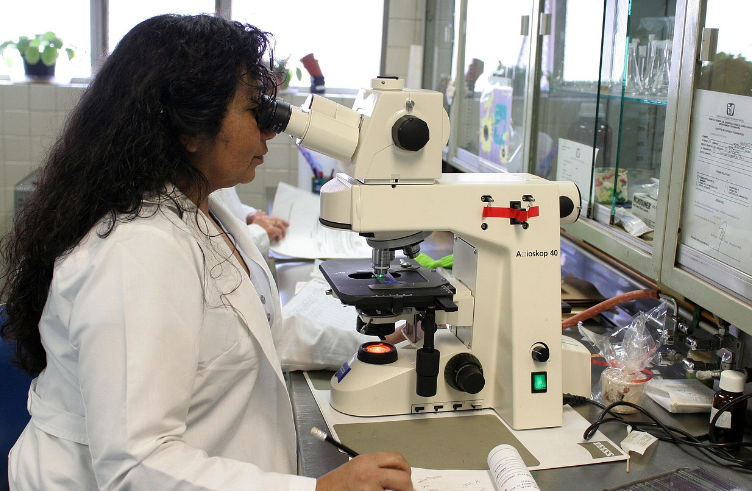
    In the world of education, where STEM takes center stage, infusing these disciplines with a sense of purpose becomes crucial. Middle schoolers, on the brink of discovering their passions and potential, embody not only budding scientists and engineers but also the future stewards of our planet. The following hands-on middle school projects enhance technical skills and nurture a profound understanding of how STEM can address real-world challenges. Each project is designed to spark curiosity, promote collaboration, and instill a sense of responsibility toward our environment and society, from water filtration systems to solar-powered devices. As we delve into the significance of each endeavor, we aim to impart knowledge and inspire a new generation of young minds eager to apply their skills for the greater good.

    1. Water Filtration System

    • Significance: This project focuses on creating a low-cost water filtration system using readily available materials. It teaches students about water pollution and the importance of clean water.
    • Materials: Gravel, sand, charcoal, plastic bottles, and a water source.
    • Individual or Group: This middle school project can be done in groups to promote teamwork.
    • Water Filtration Project Guide

    2. Solar-Powered Devices

    • Significance: Students can design and build solar-powered devices like solar cookers or chargers. This project introduces them to renewable energy and its role in sustainable living.
    • Materials: Solar cells, batteries, simple circuits, and recycled materials.
    • Individual or Group: This project can be done individually or in small groups.
    • Solar-Powered Devices Tutorial

    3. Community Garden for Sustainable Agriculture

    • Significance: This middle school project encourages students to set up a community garden to learn about sustainable agriculture, composting, and the importance of locally sourced food.
    • Materials: Seeds, soil, gardening tools, and compost bins.
    • Individual or Group: Groups are best suited for this project to manage the garden effectively.
    • Community Gardening Resources

    4. Robotics for Recycling

    • Significance: Combine robotics and environmental awareness by creating a robot to identify and collect recyclable materials. This project emphasizes the importance of recycling in waste management.
    • Materials: Basic robotics kit, sensors, and recycled materials for the robot’s body.
    • Individual or Group: It is ideal for small groups to collaborate on robot design and programming.
    • Robotics for Recycling Guide

    5. Air Quality Monitoring System

    • Significance: Develop a system to monitor air quality in the school or local community. Students learn about the impact of air pollution on health and the environment.
    • Materials: Air quality sensors, microcontrollers, and data analysis tools.
    • Individual or Group: This can be done individually or in small teams to cover different locations.
    • Air Quality Monitoring System Tutorial

    In exploring these five impactful STEM projects for middle schoolers, we have witnessed the fusion of technology with social responsibility. From water filtration to robotics, these projects teach science and instill empathy and community commitment. In this blend of science, technology, and responsibility, young minds have the potential to shape a brighter, sustainable future. Let’s envision a world where STEM guides us toward compassion and equity. Today’s seeds planted in these middle schoolers can blossom into an innovative garden addressing tomorrow’s challenges. The question remains: “What will these STEM-inspired leaders do with their knowledge and sense of responsibility?”

    By Srihitha Sunkara

    Do you want more resources on the topic of middle school projects? NSTEM’s vast resources database provides thousands of searchable STEM resources by category, school level, and state. This comprehensive library includes info on enrichment activities, curricula, internships, scholarships, and more. Check out a free sampling here. Or get an NSTEM membership today to unlock the complete list. 

    In middle school, students are transformed, entering as children and emerging as young adults. Project-based learning enrichment helps students connect the dots between STEM and real life, making math and science relevant for them and keeping them engaged and interested. With a meaningful middle school experience, students are far more likely to focus on STEM disciplines in high school and beyond.  To start your 6-8 middle school chapter of the National STEM Honor Society, click here.

  • Counting the Cheers: 3 Festive Math Activities for High Schoolers

    Counting the Cheers: 3 Festive Math Activities for High Schoolers

    Photo courtesy of Pixabay

    As the winter season thrives joyfully, it’s the perfect time to put mathematical magic into the festive cheer. While the air is cold and the aroma of seasonal treats fills the room, high schoolers can engage in math activities that blend the spirit of winter with the power of numbers. These three math activities are enjoyable projects and tools to form a deeper appreciation for the mathematical marvels nestled within our holiday celebrations. Read on as we unwrap these engaging mathematical journeys designed to bring high school students a sprinkle of educational joy during the festive season.

    1. Winter Sports Statistics

    In this activity, students utilize the excitement of winter sports like skiing, snowboarding, and skeletons to delve into statistics and probability. First, they can research and collect data on the performance of athletes’ scores, times, etc. Then, they can use this data to calculate averages, standard deviations, and probabilities. With statistics knowledge, students can even create graphs and charts to visualize the data through graphs and charts to analyze trends.

    Example of data for activity (points throughout the years for a particular World Cup skier): Activity Data


    2. Snowflake Symmetry

    In this activity, students explore symmetry by creating snowflake designs. Students can design various unique snowflake patterns, starting with a basic template by applying rotational and reflective symmetry. Students can be encouraged to use protractors and rulers to measure angles and lines accurately and educationally. With this winter high school project, high schoolers can explore the concepts of angles, geometry, and symmetry while creating intricate snowflake designs. 

    Activity link: Snowflake Symmetry

    Materials needed: construction paper, glue, scissors, and Q-tips.


    3. Hot Cocoa Conundrum

    Dive into the mathematics behind mixing hot cocoa. Students investigate the relationship between cocoa powder, sugar, milk, marshmallows, and temperature to create the perfect cup of hot cocoa. Task them with experimenting with different ratios of ingredients, recording temperature readings, and analyzing the data to determine the ideal combination for the tastiest hot cocoa. This activity integrates data analysis and some algebra to create a fun interactive math activity.

    Here’s a basic recipe to get your students thinking: Hot Chocolate Recipe For One

    Materials needed: paper cups, cocoa powder, sugar, milk, marshmallows, and hot water.


    These three festive math activities for high schoolers offer an exciting mix of winter cheer and mathematical exploration. Blending seasonal themes with hands-on learning provides a dynamic way to grasp mathematical concepts while allowing students to be creative at the same time. Beyond the winter fun, these projects will emphasize the relevance of math in everyday scenarios. So, go ahead and try them!

    By Tyler King

    Do you want more resources on the topic of winter high school projects? NSTEM’s vast resources database provides thousands of searchable STEM resources by category, school level, and state. This comprehensive library includes info on enrichment activities, curricula, internships, scholarships, and more. Check out a free sampling here. Or get an NSTEM membership today to unlock the complete list.

    Project-based learning enrichment provides high school students with college and career readiness. It gives them real-world relevance, transforming students into collaborators and imaginative problem solvers. They will gain the upper hand in a global landscape, stemming from enhanced confidence and grit. NSTEM provides these young STEM enthusiasts with a close community of like-minded fellow students and educators.  To start your 9-12 Chapter of the National STEM Honor Society, click here.
  • Looking for 5 Exceptional High School Engineering Educators? You Got It!

    Looking for 5 Exceptional High School Engineering Educators? You Got It!

    Photo Courtesy of interestingengineering.com

    1. Dr. Karen Thole

    Firstly, Dr. Karen Thole champions the significance of hands-on projects as a catalyst for a more profound understanding of engineering concepts. Through practical applications, she believes students grasp these concepts better and retain them more effectively. Dr. Thole strongly advocates fostering curiosity and creativity in students, which is achieved through engaging and hands-on projects.


    2. Dr. Mae Jemison

    Next on our list is Dr. Mae Jemison, who passionately advocates for diversity in high school engineering programs to foster inclusivity. She emphasizes the pivotal role of role models and mentors in inspiring students to pursue engineering. Dr. Jemison also promotes interdisciplinary approaches to make engineering more accessible and exciting to a broader range of students.


    3. Dr. Andrew Bell

    Dr. Andrew Bell focuses on integrating real-world challenges into the high school engineering curriculum. Recognizing the transformative role of technology, he discusses how it enhances the learning experience for students. Dr. Bell supports project-based assessments to evaluate students’ practical problem-solving skills, reinforcing the real-world applicability of their knowledge.


    4. Dr. Christine Cunningham

    Dr. Christine Cunningham draws connections between engineering education and everyday life, highlighting the practical relevance of the subject. She advocates for inquiry-based learning, fostering students’ curiosity by encouraging them to explore and question. Additionally, Dr. Cunningham supports collaborative projects that reinforce engineering concepts and promote essential teamwork and communication skills.


    5. Dr. Ayanna Howard

    Finally, Dr. Ayanna Howard explores the integration of robotics and AI into high school engineering education. She believes that exposing students to cutting-edge technologies prepares them for future challenges. This engineering educator underscores the importance of adaptability and problem-solving skills in engineering.


    We encourage you to consider starting an NSTEM chapter at your school. NSTEM, with its commitment to innovative STEM education, can provide invaluable resources and support. By joining hands with NSTEM, you can help create a brighter future for our children. To get started, explore these NSTEM resources to access a wealth of materials and guidance, enriching STEM education in K-2 classrooms and beyond. 

    By Srihitha Sunkara

    Do you want more resources on the topic of engineering educators? NSTEM’s vast resources database provides thousands of searchable STEM resources by category, school level, and state. This comprehensive library includes info on enrichment activities, curricula, internships, scholarships, and more. Check out a free sampling here. Or get an NSTEM membership today to unlock the complete list.

    Project-based learning enrichment provides high school students with college and career readiness. It gives them real-world relevance, transforming students into collaborators and imaginative problem solvers. They will gain the upper hand in a global landscape, stemming from enhanced confidence and grit. NSTEM provides these young STEM enthusiasts with a close community of like-minded fellow students and educators.  To start your 9-12 Chapter of the National STEM Honor Society, click here.