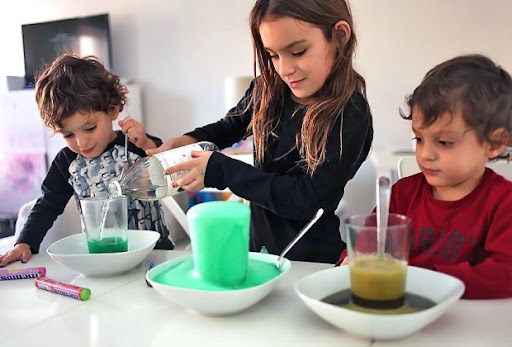
Family is one of the most important ways for children to gain more knowledge and develop their own interests, especially in the STEM field. In early elementary age, individuals are inspired by many interactions with their partners and siblings. To best promote your children’s potential in STEM, here are three activities that boost your children’s STEM experience. These activities are inspired by NSTEM library resource.
Are you kids interested in exploring the solar systems or understanding the myth of the universe? Are you struggling to find fun activities and assignments that you can offer to your students that are fun and educational? Experience Astronomy has amazing online activities and videos that engage children to explore more about outer space and planets around the solar system. You will also engage with your kids by completing an online assignment–activities that help the family have a bonding experience and provide excellent educational results. Definitely check out the packages and start an amazing space journey with your children.
Since your children’s youth, they probably have some experience toying with Legos. Have you thought about starting to teach code through their favorite toys? Let your children experiment with different lines of coding through building a Lego. For example, children can assist a Lego character in finding solutions, getting out of a maze, while learning a valuable lesson of perspective taking. If your child wishes to challenge themselves, they could go up a level by designing their own solution for different openings for the maze–just like coding a program. Let your children try different levels of this amazing maze and learn a valuable lesson about how coding works.
I bet a lot of parents are looking forward to teaching their children lifelong skills and applying educational concepts where you can also have good bonding time. Try this solar oven that is simple and makes some delicious snacks for you and the family. All you need is some cardboard, scissors and aluminum foil. You would not only help your children understand the fundamental principle of solar power but apply theoretical knowledge they’ve learned school. Definitely try this one out.
These types of activities are great for bonding with your children or simply to help them expand their perspective in the field of STEM. At NSTEM, we aim to improve students learning experience in early age by providing hands on activities and interactive learning method to ensure your children will always benefit from each lesson they’ve been taught.
by Tom Yuan
Do you want more resources on the topic of family activities that boost your child’s STEM experience? NSTEM’s vast resources database provides thousands of STEM resources that are searchable by category, school level and state. This comprehensive library includes info on enrichment activities, curricula, internships, scholarships and more.Check out a free sampling here. Or get an NSTEM membership today to unlock the complete list.
K-2 is where it all starts with STEM education. The National STEM Honor Society focuses on “From K to Career, NSTEM from the Start!” To start your K-2 Chapter of the National STEM Honor Society, click here.
Photo courtesy of Mind KitsAre you looking for projects to make students aware of sustainability or energy conservation? Or are you a parent who wishes to inspire your children’s passion for STEM? Here are three solar power projects to help middle-school students explore and develop a better understanding of energy. These resources are from or inspired by the National STEM Honor Society Resources section of our website for members.
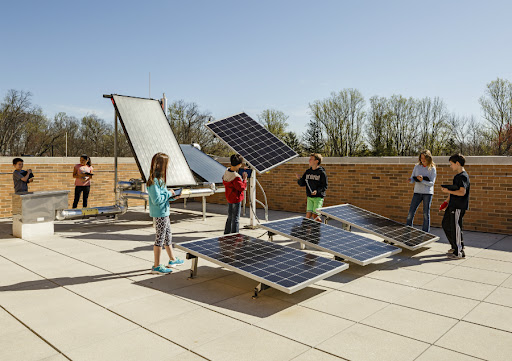
SPARK provides schools with access to data from solar installations across the state and curriculums to study solar energy. To understand the mechanism of renewable energy systems, middle-school students will research and analyze the data from these solar installations. If your students are looking for scientific research or wish to study solar power in depth, the SPARK program offers an inclusive hands-on learning experience for middle schools to develop an educational understanding of renewable energy.
Not all middle schoolers are looking to become a researcher or pursue a solar power career. NEED (National Energy Education Development) provides a curriculum that focuses on helping students develop the awareness and necessary skills for energy education. NEED has designed some of the most fundamental projects to help students understand the principle of solar energy. Each component of the curriculum aims to help instructors and students collaboratively build an understanding of renewable energy. Learn more about NEED here.
The solar curriculum intends to introduce classroom-based activities. Students will learn that the sun’s energy produces another form of energy by crafting their own solar panels and projects. The curriculum kit includes a teacher guide and a class set of 30 student guides that help students and instructors successfully complete the assignments. There are numerous materials in the kit such as building a solar balloon, solar light bulbs, or experimenting with building a solar panel. With these kits, you can provide students with new ways of exploring solar energy and combine it with the lecture to consolidate their understanding.
Building a solar-powered device can reduce our dependence on other energy sources and help save the Earth. You can help your students put theoretical knowledge into practice by turning seawater from the oceans into fresh water that is suitable for people to drink – using a solar desalination process. With the resources you have, you can divide students into small groups, where students will learn about collaborating with each other. The students will not only be given first-hand experience by crafting their own solar power device, but the project may inspire their interest in a growing STEM field.
Photo courtesy of Inside Climate News
4. Solar-Powered Model Car
If you are a parent who aims to improve your children’s interest in STEM, try to let them build something they have played with since their youth, such as building their first solar power car. To build their own solar-powered car, they would need to conduct research and apply classroom knowledge in practice to complete the project. The process of making their own solar power car can help children understand the true value of solar power and apply their interest to real use. This project only requires a few items such as solar panels, card bards, and wheels, which you can buy from retailers and are easy to install in a few days. Children can start to build independent thinking through such experiences and learn STEM from a new perspective.
Solar power projects emphasize the importance of practical and hands-on learning experiences for middle schoolers. At NSTEM, we offer “project-based learning programming” that provides middle schoolers with the ability to explore their own interest in the STEM field. It aims to improve classroom learning by offering our well-designed curriculum to middle school students to ignite long-term interest in STEM studies and their future endeavors.
By Zhen “Tom” Yuan
Do you want more resources on the topic of solar power projects? NSTEM’s vast resources database provides thousands of STEM resources that are searchable by category, school level and state. This comprehensive library includes info on enrichment activities, curricula, internships, scholarships and more.Check out a free sampling here. Or get an NSTEM membership today to unlock the complete list.
Middle School is where students are transformed, entering as children and emerging as young adults. Project-based learning enrichment helps students connect the dots between STEM and real life, making math and science relevant for them, keeping them engaged and interested. With a meaningful middle school experience, students are far more likely to focus on STEM disciplines in high school and beyond. To start your 6-8, middle school chapter of the National STEM Honor Society, click here.
Elementary school science fair projects are a fantastic way for students to learn about the scientific process and develop critical thinking skills. They allow students to explore their own interests and passions while also learning about the world around them. Whether you are a teacher looking for ideas for your students or a parent looking to help your child with a science fair project, we have compiled a list of 12 science fair project ideas for elementary schoolers.
1. Water Cycle Experiment
This experiment allows students to observe the water cycle in action. By creating a simple water cycle model, students can learn about the evaporation, condensation and precipitation that occurs in the water cycle. Learn more at the following NSTEM resource: https://www.irwp.org/youtheducation
2. Edgerton Center STEM Projects
The Edgerton Center’s “Do-It-Yourself” instructional guides promote STEM skills and awareness by providing students with the opportunity to engage in hands-on projects and experiments. These guides contain materials lists and step-by-step procedures that allow students to easily follow along and complete the project. Check them out here.
The guides also encourage students to pursue their own personal learning goals by substituting materials, tinkering, and exploring concepts as their interest leads. This allows students to customize their projects and really dive deep into the scientific principles behind them. These guides are perfect for elementary school students participating in a science fair, as they provide a fun and engaging way for students to learn about STEM concepts and demonstrate their understanding through hands-on projects.
3. Project WET
This is a fantastic resource for elementary school students participating in a science fair. Its focus on water sustainability education makes it perfect for students who are interested in exploring the ways in which we can protect and preserve our water resources. The program’s interdisciplinary approach means that it covers a wide range of topics, making it suitable for a variety of student interests.
Additionally, Project WET provides outreach and training for educators, ensuring that they have the knowledge and resources needed to effectively teach students about water sustainability. The hands-on programming encourages critical thinking and helps students develop the skills they need to explore scientific concepts in a deeper, more meaningful way. Overall, Project WET is a fantastic resource for elementary school students looking to learn more about water sustainability and make a positive impact on the world around them.
4. Seed Germination
In this experiment, students will observe the process of seed germination and the factors that affect it. By planting seeds in different types of soil and under different conditions, students can learn about the conditions that are necessary for seeds to grow. Take a look at the following NSTEM resource: https://www.laseagrant.org/education/projects/coastal-roots/.
Here are additional projects:
5. Plant Growth: This experiment allows students to observe the effects of different variables on plant growth. Students can choose to test the effects of different types of soil, amounts of sunlight, or amounts of water on a plant’s growth. By the end of the experiment, students can compare the results and draw conclusions about which variables were most important for plant growth.
6. Egg Drop:This classic experiment challenges students to design and create a structure that will protect an egg from breaking when dropped from a certain height. This project teaches students about engineering principles and problem-solving skills.
7. Color Changing Flowers: In this experiment, students will observe the effects of different colored water on the color of flowers. By placing flowers in different colored water and observing the changes in their petals, students will learn about the movement of water through plants.
8. Dissolving Candy:This experiment allows students to observe the effects of different liquids on the dissolution of candy. By placing different types of candy in different liquids and observing the rate at which they dissolve, students can learn about the solubility of different substances.
9. Making a Battery: This project allows students to create their own battery using a lemon and other household items. By following a simple set of instructions, students can learn about the principles of electricity and how a battery works.
10. Static Electricity:This experiment allows students to learn about static electricity and how it is created. By rubbing different materials together and observing the effects, students can learn about the transfer of electrons and the role it plays in creating static electricity.
11. Solar Oven:This project allows students to create their own solar oven and use it to cook food. By following a set of instructions, students can learn about the principles of solar energy and how it can be used to cook food.
12. Bouncing Eggs:In this experiment, students will observe the effects of different liquids on the bounciness of eggs. By placing eggs in different liquids and observing their bounciness, students can learn about the density of different substances and how it affects their buoyancy.
These 12 science fair project ideas for elementary schoolers are just a few of the many options available for encouraging your students’ love for science. By engaging in hands-on learning and exploring their own scientific interests, your students will not only gain a deeper understanding of scientific concepts, but also develop important problem-solving and critical thinking skills. Encourage your students to think creatively and have fun while learning about science with these exciting projects.
By Lakshya Jain
Do you want more resources on the topic of science fair projects? NSTEM’s vast resources database provides thousands of STEM resources that are searchable by category, school level and state. This comprehensive library includes info on enrichment activities, curricula, internships, scholarships and more.Check out a free sampling here. Or get an NSTEM membership today to unlock the complete list.
Grades 3-5 continue the STEM education journey, where students are interested in the natural world, in how things work, responding to stories told by teachers that give purpose and meaning to STEM disciplines, which molds them into thinkers, problem solvers and creators. The National STEM Honor Society sees grades 3-5 as a critical point in the NSTEM journey. To start your grade 3-5 chapter of the National STEM Honor Society, click here.
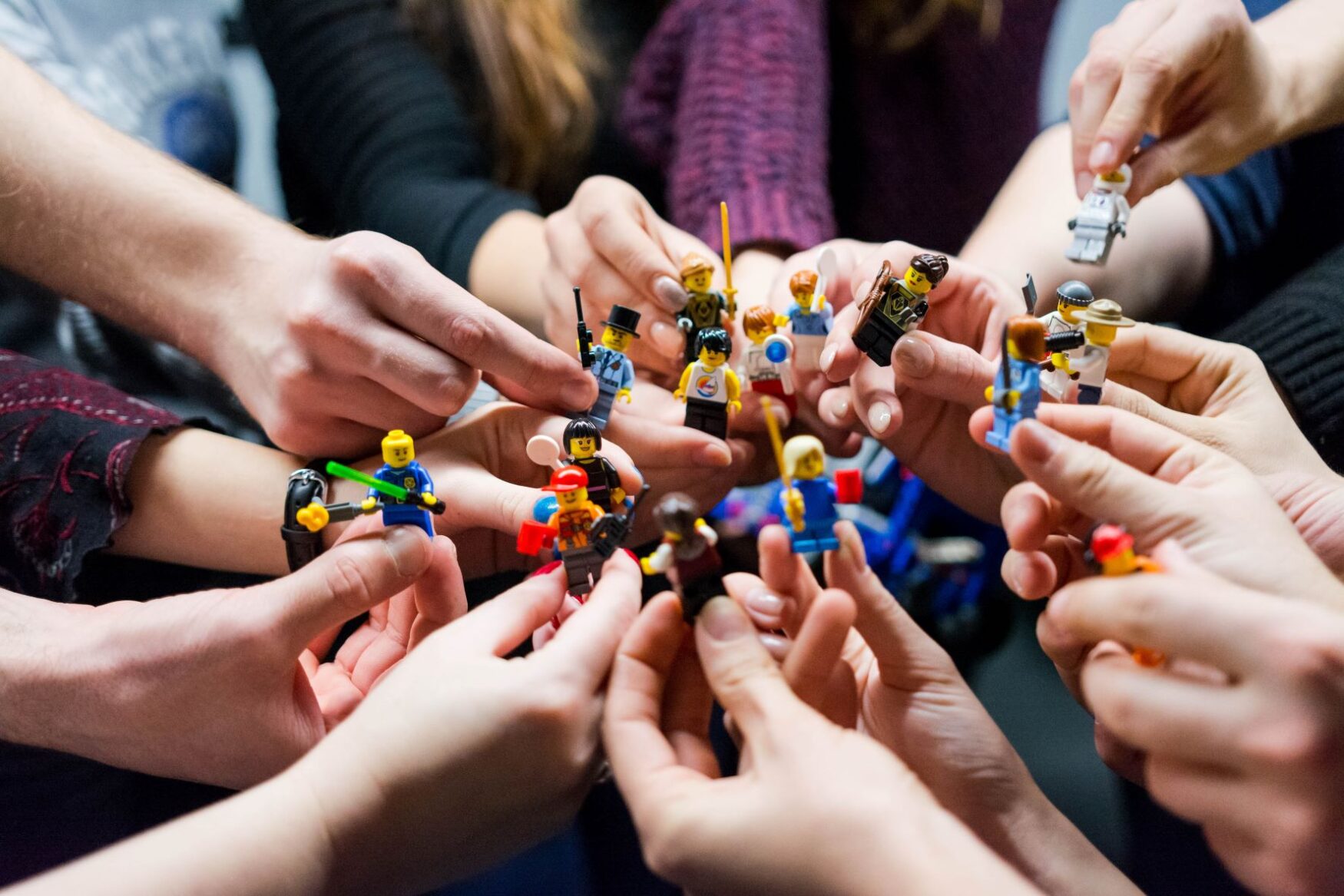
LEGO projects are a fun and engaging way to incorporate STEM (science, technology, engineering, and math) learning into the classroom. Not only do they allow students to think creatively and problem solve, but they also provide hands-on learning opportunities that can make the material more relatable and memorable. Here are four smart ways to utilize LEGO projects in your students’ STEM learning for grades 3-5.
Use LEGOs to teach mathematical concepts. LEGOs can be used to teach a wide range of mathematical concepts, from basic counting and measurement to more advanced concepts like geometry and fractions. For example, students can use LEGOs to build geometric shapes and explore their properties or use LEGOs to create a scale model of a building or structure and learn about measurement and proportion. Here is an NSTEM resource to get you started!
Use LEGOs to teach engineering concepts.LEGOs are a great tool for teaching engineering concepts. Students can use LEGOs to design and build structures, machines and vehicles, learning about concepts like strength and stability, gears and pulleys, and simple machines. They can also learn about the design process and how to iterate and improve their designs. Here is an NSTEM resource to get you started!
Use LEGOs to teach coding and computer programming. LEGOs can be used to teach coding and computer programming, as well. There are many different LEGO kits and software that allow students to create programs and code that control their LEGO creations. This is a great way to introduce students to the basics of coding and programming and how it can be used to control and manipulate real-world objects. Here is an NSTEM resource to get you started!
Use LEGOs to teach scientific concepts.LEGOs can be used to teach a wide range of scientific concepts, from simple machines and forces to more advanced concepts like energy and motion. For example, students can use LEGOs to build simple machines and learn about how they work and how energy is transferred. They can also use LEGOs to build models of chemical reactions or physical phenomena, helping to bring abstract concepts to life. Here is an NSTEM resource to get you started!
LEGO projects are a fun and engaging way to incorporate STEM learning into the classroom. They allow students to think creatively, problem solve and provide hands-on learning opportunities that can make the material more relatable and memorable. By using these four suggestions, you can help your students learn and grow in a fun and interactive way.
By Lakshya Jain
Do you want more resources on the topic of STEM projects? NSTEM’s vast resources database provides thousands of STEM resources that are searchable by category, school level and state. This comprehensive library includes info on enrichment activities, curricula, internships, scholarships and more.Check out a free sampling here. Or get an NSTEM membership today to unlock the complete list.
Grades 3-5 continue the STEM education journey, where students are interested in the natural world, in how things work, responding to stories told by teachers that give purpose and meaning to STEM disciplines, which molds them into thinkers, problem solvers and creators. The National STEM Honor Society sees grades 3-5 as a critical point in the NSTEM journey. To start your grade 3-5 chapter of the National STEM Honor Society, click here.
Looking for ways to introduce lessons on renewable energy to your middle-school students? Bringing kids into the conversation early shows them how important renewables are and how they can get involved right now. Below you’ll find NSTEM resources that help get middle schoolers thinking creatively about ways to generate clean energy.
1.Build a simple turbine and discover wind energy
Photo courtesy of Pixabay
By having middle-school students build small wind turbines, they’ll discover how wind energy can easily transform into electrical energy. They’ll learn that wind power is a renewable and economical alternative to conventional plant-produced fuel. Watch this video to learn how your class can create wind turbines with very few supplies. The only item you may need to purchase is a voltmeter—which can be purchased inexpensively online. Watch this demonstration from NSTEM resource, Teach Engineering, to see how all the fun begins. Wind Power – Informal Learning Activity – TeachEngineering
2.Build a puff mobile and watch it go
Photo courtesy of Getty Images
In this renewable energy activity, participants build a wind-powered car using straws, Lifesavers candies, paper and paper clips, then try to get their car to the finish line using as few “puffs” of air as possible. During this fun experiment, students will discover that we can use wind power in the world of transportation (as demonstrated with sail cars or even sailboats). Check out our NSTEM resource, DiscoverE.org for everything you need to know about Puff Mobiles.
3. Create a MacGyver windmill and convert moving air into mechanical energy
Photo courtesy of YouTube
A “MacGyver” windmill is a perfect project for students in middle school. Students are tasked with constructing a simple windmill to lift weights using basic materials. This lesson will help students understand how a windmill captures the energy of the wind and converts it into usable mechanical energy—the basis for understanding modern wind turbines. Students will use an engineering design process and scientific method to design, build, test and improve their models. KidWind and their affiliate, REcharge Labs, have developed a set of lessons and kits that offer instructional videos, as well as printable instructions and detailed steps. NSTEM resource, REcharge Labs, can be found here.
by Maureen Ryan Thorpe
Do you want more resources on the topic of wind power? NSTEM’s vast resources database provides thousands of STEM resources that are searchable by category, school level and state. This comprehensive library includes info on enrichment activities, curricula, internships, scholarships and more.Check out a free sampling here. Or get an NSTEM membership today to unlock the complete list.
Middle School is where students are transformed, entering as children, and emerging as young adults. Project-based learning enrichment helps students connect the dots between STEM and real life, making math and science relevant for them, keeping them engaged and interested. With a meaningful middle-school experience, students are far more likely to focus on STEM disciplines in high school and beyond. To start your grade 6-8, middle-school chapter of the National STEM Honor Society, click here.
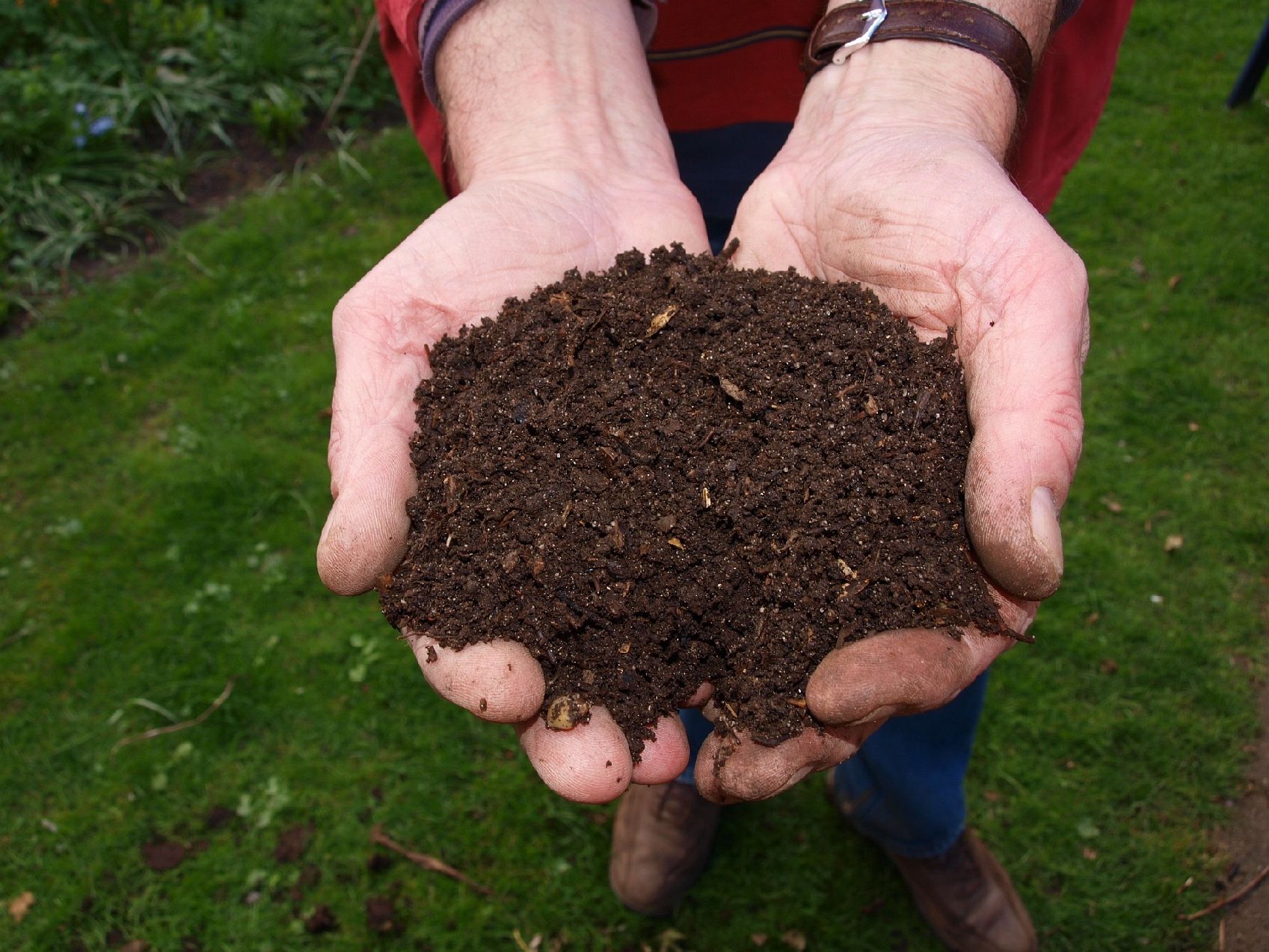
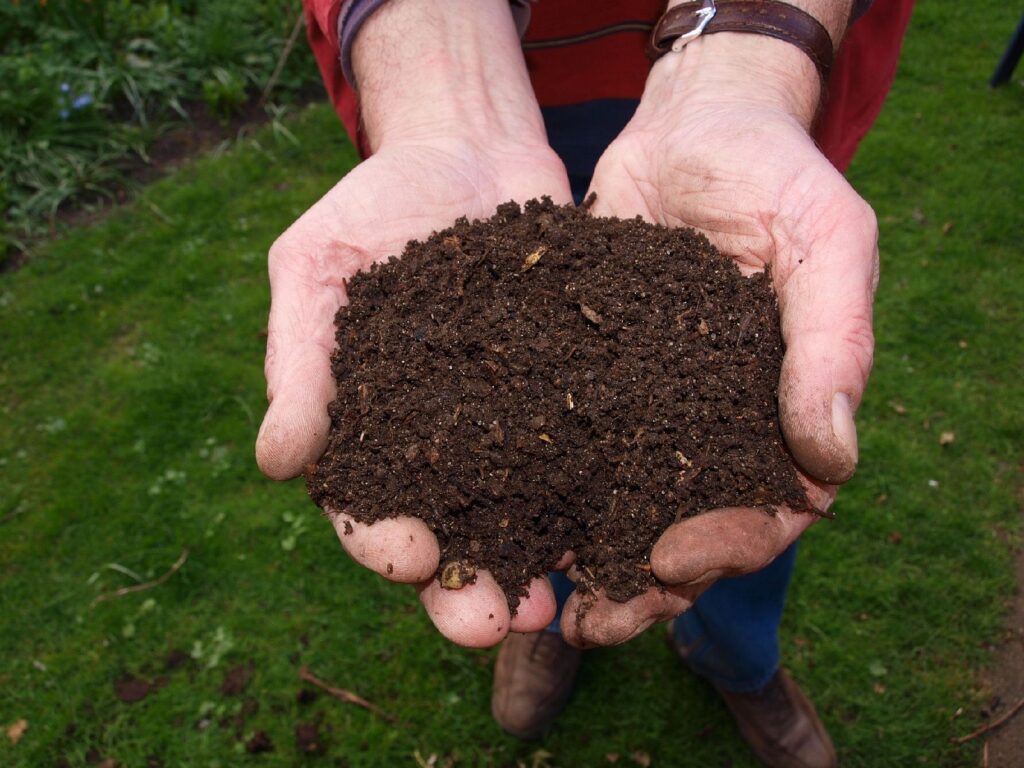
For K-2 kids, nothing is more fun than digging in the dirt. So why not turn a messy playtime activity into a fun lesson on sustainability?
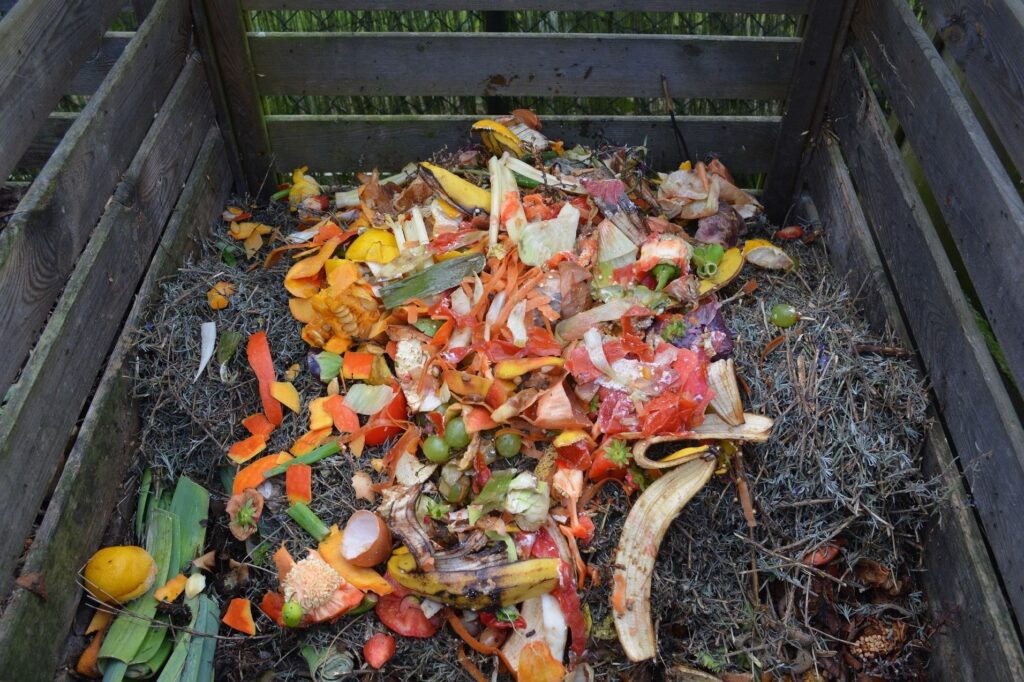
A composting experiment is a great tool for teaching children ways to reduce the amount of waste sent to landfills. They’ll be amazed to find out that our leftover food will magically transform into soil! Best of all, these enriching experiences instill lifelong sustainable practices in young children right from the start. With a bit of help from parents or teachers, the following composting projects for K-2 students can help kickstart the process.
1. Build a soilarium and watch the soil grow
Photo courtesy of Tom’s of Maine
Think of a soilarium as a mini solarium, but instead of a large glass sunroom, you’re using a small see-through container. A mason jar or 2-liter soda bottle will do the trick. Follow these quick and easy steps from Tom’s of Maine to create one. Every two weeks, mark a line to show the “new” top as nature does her work and the contents settle. Be sure to label it with the date, so students can watch the progress of their microbes. Before their eyes, the organic matter will turn into a nutrient-rich soil that in about 12 weeks will be ready for a springtime garden.
2. Create a worm garden where kids do the composting
Photo courtesy of Pixabay
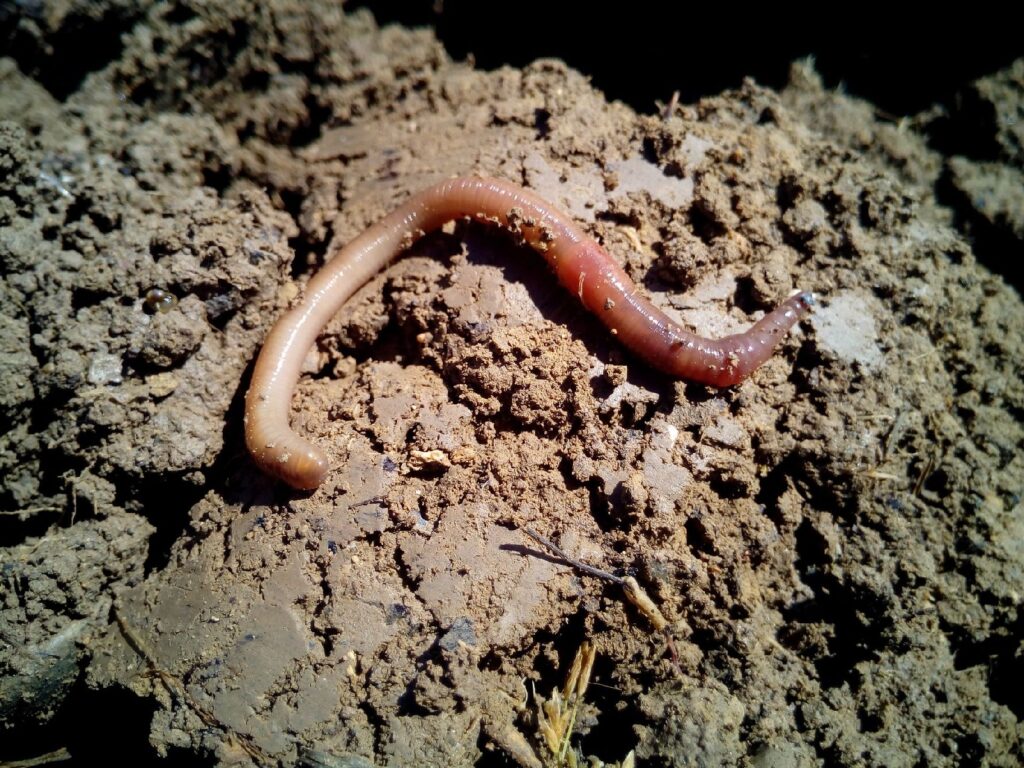
Kids will be delighted when you tell them that worms can turn organic waste into a rich fertilizer, called worm castings—aka “worm poo.” Worm farming, or vermicomposting, is the process ofraising worms to create a natural, nutrient-rich compost you can use in your garden or on plants at home. It’s a fun composting project to do with your K-2 students and requires minimal materials. You can purchase compost worms online or from an existing worm farm. Foam vegetable boxes or coolers work great. You need two boxes for this project.
Poke holes in bottom of first foam box, the “feeder box,” where the worms live and feed.
Half fill the feeder box with worm bedding: bucket of compost, shredded paper or straw.
If you use paper or straw, wet it first, then squeeze out excess water.
Scatter a handful of worms on top of the worm bedding.
Soak the newspaper in water and lay it on top of the worm bedding to keep the worms’ home dark and moist.
Place the feeder box on top of the second box with no holes to collect the worm poo.
Place your worm farm in a shady spot in summer and a sunny spot in winter.
The easiest way to teach kids how to compost at home is to simply include it in your family routine. Ask your child to monitor the compost in your compost bin and regularly mix the contents while ensuring there is no excess water. Your child can add new organic waste periodically and check if the bottom layers are ready for use. Establish a schedule of chores for each member of the household to include composting tasks.
Once your compost is ready to use, it’s time to put it into action. Have your child place the soil in a pail, bin or basket and spread it in the garden with a small trowel. If you don’t have space for garden beds, start a container garden. For city dwellers, a community garden is a great way to introduce gardening to your children. You can also find out if your local farm offers composting programs (for service hours and compost contributions) like the one seen here atNSTEM resource, Barrington Farm School.
by Maureen Ryan Thorpe
Do you want more resources on the topic of composting? NSTEM’s vast resources database provides thousands of STEM resources that are searchable by category, school level and state. This comprehensive library includes info on enrichment activities, curricula, internships, scholarships and more.Check out a free sampling here. Or get an NSTEM membership today to unlock the complete list.