
Tag: STEM Projects and Experiments

  • Eco-Empowerment: 3 Renewable Energy Activities for Middle Schoolers

    Eco-Empowerment: 3 Renewable Energy Activities for Middle Schoolers

    Photo courtesy of Pixabay

    In a world where climate change and environmental defense are some of the most pressing concerns, empowering the next generation with the knowledge and skills to tackle environmental issues is crucial. Middle schoolers are at the perfect age–their curiosity is spiking, and their capacity to grasp complex topics is growing. Engaging middle-school students in renewable energy activities educates them about sustainability and fosters a sense of empowerment and responsibility towards the planet. So, without further ado, here are three unique renewable energy activities for middle schoolers!

    1. Wind Power

    This activity showcases the renewable energy form of wind power. First, middle schoolers create their anemometers from limited materials like cardboard, paper cups, and pushpins. Then, they use these anemometers to measure approximate wind speeds in their area. They can use this information to discover how well wind turbines would work in the students’ area that day. Then, students can understand the pros and cons of wind power and learn how to measure wind speed independently!

    Activity link: Wind Power – Teachengineering.org

    Materials needed: paper cups, push pins, modeling clay, cardboard, scissors, a stapler, markers, and stopwatches.


    2. Build Your Own Hydro-Turbine

    In this activity, students will learn about hydroelectricity and the power of water. First, they will put together a model water turbine out of materials like cardboard and soda bottles. Then, they will test out their waterwheels by pouring water on them and observing how they respond. This will show students how hydro turbines spin to create electricity! Discuss with them how the wheel’s spinning generates energy that can be turned into electric power. Through this activity, students can better understand the renewable energy source of hydroelectricity!

    Activity link: Build a Hydro-turbine – Teachengineering.org

    Materials needed: 2-liter soda bottles, scissors, duct tape, wooden dowels, string, cardboard, plastic wrap, water, and stopwatches.


    3. Solar Oven S’mores

    This activity allows middle schoolers to explore solar energy in a fun and tasty way–s’mores! First, students will create an insulated, reflective “oven” from a cardboard box. This box will use the sun’s rays to conduct heat and eventually make enough heat to melt the marshmallows and chocolate on s’mores. This activity is a fun way to show students the true power of the sun and how it can be used to harness energy for many applications. With sweet treats included, this activity will surely be a hit!

    Activity link: Solar Oven S’mores – Climatekids.nasa.gov

    Materials needed: a cardboard box with a lid, aluminum foil, clear plastic wrap, glue sticks, tape, a stick, a straightedge, and a box cutter.

    By Tyler King


    Empowering middle schoolers with knowledge and hands-on experience with renewable energy creates a deeper understanding of environmental defense. It instills a sense of responsibility in creating a more sustainable future. With practical activities like these three, students can become eco-empowered individuals ready to take on the vast world of environmental conservation!

    Do you want more resources on the topic of renewable energy activities? NSTEM’s vast resources database provides thousands of searchable STEM resources by category, school level, and state. This comprehensive library includes info on enrichment activities, curricula, internships, scholarships, and more. Check out a free sampling here. Or get an NSTEM membership today to unlock the complete list. 

    Middle school is where students are transformed, entering as children and emerging as young adults. Project-based learning enrichment helps students “connect the dots” between STEM and real life, making math and science relevant for them and keeping them engaged and interested. With a meaningful middle school experience, students are far more likely to focus on STEM disciplines in high school and beyond. To start your 6-8 middle school chapter of the National STEM Honor Society, click here.
  • Kickstart Your Middle School Composting Journey: 3 Essential Projects to Begin Now

    Kickstart Your Middle School Composting Journey: 3 Essential Projects to Begin Now

    Photo courtesy of Pixabay

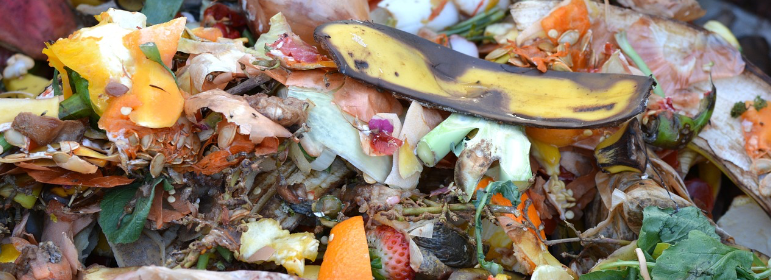
    Middle school is a pivotal time for young learners to engage with hands-on learning experiences that shape their understanding of the world. An impactful endeavor to embark on today is a composting journey. Composting reduces waste and teaches important lessons about environmental sustainability and the interconnectedness of ecosystems and organisms. If you are a middle school teacher eager to introduce composting to your students, here are three essential projects to kickstart your composting journey!

    1. Compost in a Bag

    In this activity, middle schoolers will make compost out of organic material such as food. First, they’ll create an Earth-like environment with dead plants, food, and soil in a Ziploc bag. Then, they will mist their materials thoroughly with water and close them tightly to contain the moisture. After waiting for the contents to decompose in the sunlight outside, students will see the effects of real-life composting. This activity showcases the fantastic nature of biodegradation, a crucial process for Earth’s productivity!

    Activity link: Compost Bags – Agclassroom.org

    Materials needed: Ziploc bags, tape, decaying materials, scissors, soil, spray bottles, and gloves.


    2. Plant Growth Comparison

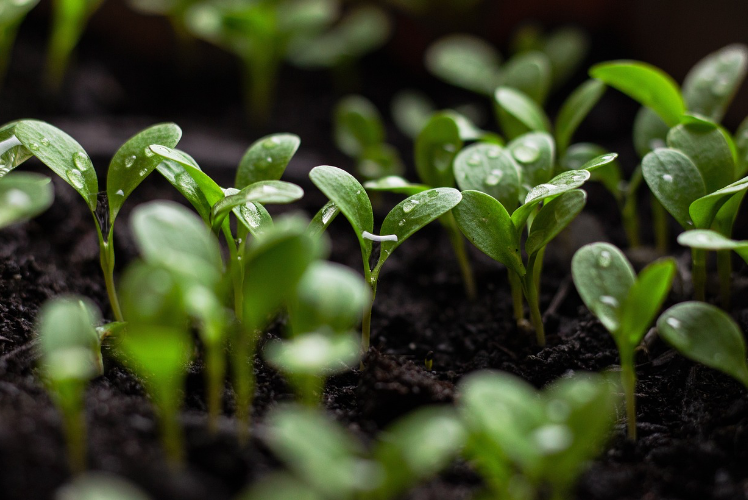
    In this activity, middle schoolers will compare the total growth and growth rates of plants grown in regular soil vs. plants grown in compost. First, they will plant seeds of the same variety in a pot of each substrate. After waiting for them to grow and documenting their growth progressions, students will see the difference between plants grown in regular soil vs. compost. This activity is a hands-on way for students to discover the nutrient-filled nature of compost!

    Activity link: Plant Growth Comparison – Huffpost.com

    Materials needed: plant seeds, pots, soil, compost, and water.


    3. Environmental Lunch

    This activity for middle schoolers involves discovering what students can actually turn into compost from their school lunches. After bringing in their trash from lunch, they will find just how many items in their lunchboxes are compostable. They will then log these materials to understand how they can work towards more sustainable lunches! This activity is an excellent method to show middle schoolers exactly how to pick compostable and non-compostable materials.

    Activity link: Environmental Lunch (Activity 3) – Cvswmd.org

    Materials needed: lunch discards, four buckets, and markers.


    With these three essential projects, your middle schoolers can start a rewarding composting journey that reduces waste and cultivates a culture of environmental awareness and responsibility. It is so important for students these days to understand the power of ecosystems and ecological interactions. So, let’s turn organic waste into a valuable resource and nurture a greener, more sustainable future for generations to come!

    By Tyler King

    Do you want more resources on the topic of composting activities? NSTEM’s vast resources database provides thousands of searchable STEM resources by category, school level, and state. This comprehensive library includes info on enrichment activities, curricula, internships, scholarships, and more. Check out a free sampling here. Or get an NSTEM membership today to unlock the complete list. 

    Middle School is where students are transformed, entering as children and emerging as young adults. Project-based learning enrichment helps students “connect the dots” between STEM and real life, making math and science relevant for them and keeping them engaged and interested. With a meaningful middle school experience, students are far more likely to focus on STEM disciplines in high school and beyond. To start your 6-8 middle school chapter of the National STEM Honor Society, click here.
  • Green Sprouts: 3 Sustainable Science Activities for K-2 Students

    Green Sprouts: 3 Sustainable Science Activities for K-2 Students

    Photo courtesy of Pixabay

    In today’s world, instilling a sense of environmental stewardship in young learners is crucial. With many concerns about sustainability and renewability, empowering children with the knowledge and tools to protect our future is critical. Promoting sustainability through education is just one way to do that! So, this blog post will explore three sustainable science activities for kindergarten to second-grade students that will empower young minds to foster our planet and care for our future.

    1. Watering Leaves

    In this activity, elementary schoolers learn how water travels through leaves! First, students snip off the bottom of a leaf stem. Then, they place their leaf in a glass filled with water. After adding red food coloring to the water and waiting a couple of days, the veins of the leaves turn visibly red from their water intake. This experiment is an excellent demonstration for elementary school students to understand how plants stay alive and work to maintain our planet’s health!

    Activity link: Watering Leaves – Buggyandbuddy.com

    Materials needed: leaves, scissors, clear cups, water, and red food coloring.


    2. Growing Beans in a Bag

    In this activity, elementary schoolers explore the growth of beans in a controlled environment. First, students place beans into a paper towel within a Ziploc bag. Then, they zip the bag shut to allow the seeds to grow. With some regular watering, these beans will sprout into entirely new plants! Throughout this project, young learners can keep track of their plant’s growth and explore differing growth rates between beans. This experiment showcases the incredible nature of plant reproduction.

    Activity link: Growing Beans – Communityplaythings.co.uk

    Materials needed: plant seeds, beans, Ziploc bags, permanent markers, paper towels, and water.


    3. Compost in a Bottle

    In this activity, elementary schoolers will make compost out of organic material. First, they’ll create an Earth-like environment with dead plants and soil in a bottle. Then, they will spray their materials with water and close them tightly to contain the moisture. After placing the bottle somewhere warm, students will see their materials turn to compost. This activity showcases the fantastic nature of biodegradation, a crucial process for Earth’s productivity!

    Activity link: Compost in a Bottle – Growinghealthykids.co.uk

    Materials needed: 2-liter bottles, garden soil, shredded paper, fruit and vegetable peelings, hedge trimmings, water, cello tape, sharp scissors, and permanent markers.


    Engaging students in sustainable science enhances their school learning experiences and cultivates a fantastic commitment to environmental stewardship. Activities such as bean-growing experiments, recycling relay races, and composting in bottles can inspire kindergarten to second-grade students to become the next generation of environmentally conscious leaders. With these three sustainable science activities, students will be empowered to positively impact the planet and create a more sustainable future for future generations!

    By Tyler King

    Do you want more resources on the topic of sustainable science activities? NSTEM’s vast resources database provides thousands of searchable STEM resources by category, school level, and state. This comprehensive library includes info on enrichment activities, curricula, internships, scholarships, and more. Check out a free sampling here. Or get an NSTEM membership today to unlock the complete list. 

    K-2 is where it all starts with STEM education. The National STEM Honor Society focuses on “From K to Career, NSTEM from the Start!” To start your K-2 Chapter of the National STEM Honor Society, click here.

  • 3 Smart Ways to Fund High School Project-Based Learning

    3 Smart Ways to Fund High School Project-Based Learning

    Photo Courtesy of Google Images

    For high school students, project-based learning (PBL) can be a rewarding experience, but financing such programs can be challenging. This blog will uncover three clever approaches to paying for project-based learning in high school.

    1. Grant Funding

    Many funds are available, especially for PBL and other educational projects. Grants are frequently available to encourage new teaching approaches from organizations, including the National Science Foundation (NSF), the Bill & Melinda Gates Foundation, and the National Education Association (NEA). Nonprofits that promote education and local community foundations may also offer funding opportunities. To improve your chances of receiving grant funding, make sure your bids align with the donor’s goals and objectives and emphasize the educational benefits and outcomes of your PBL projects.


    2. Corporate Sponsorships and Partnerships

    As part of their efforts to fulfill their corporate social responsibility (CSR) obligations, many businesses are willing to provide funding for educational projects. Speak with companies that are linked to the concept of your project, those that are local, or those that have connections to STEM or education. Encourage collaborations that benefit both parties, wherein the corporation offers resources, financial support, or expertise in exchange for advantages like employee volunteerism, branding, or access to talented students. In addition to providing financing, working with corporate partners can increase PBL’s relevance to the real world by putting students in touch with resources and practitioners in the field.


    3. Crowdfunding Campaigns

    To raise money for your PBL projects, use online crowdfunding sites like DonorsChoose, Indiegogo, and Kickstarter. Develop persuasive campaigns that detail the goals, implications, and advantages of the initiatives. Remember to include detailed budgets and funding targets. Invite community members, educators, parents, alums, and students to participate in the campaigns. Then, encourage them to be shared on social media and other means to reach a larger audience. Through crowdfunding, you may directly raise money from people who are enthusiastic about innovation and education while also gaining access to grassroots support.


    Through grant funding, business partnerships, and crowdsourcing initiatives, high schools can obtain the necessary funds to establish captivating and significant project-based learning opportunities for their students. 

    By Gayathri Narayanan

    Do you want more resources on the topic of project-based learning? NSTEM’s vast resources database provides thousands of searchable STEM resources by category, school level, and state. This comprehensive library includes info on enrichment activities, curricula, internships, scholarships, and more. Check out a free sampling here. Or get an NSTEM membership today to unlock the complete list.

    Project-based learning enrichment provides high school students with college and career readiness. It gives them real-world relevance, transforming students into collaborators and imaginative problem solvers. They will gain the upper hand in a global landscape, stemming from enhanced confidence and grit. NSTEM provides these young STEM enthusiasts with a close community of like-minded fellow students and educators.  To start your 9-12 Chapter of the National STEM Honor Society, click here.
  • Unleashing Innovation: 3 Exciting STEM Project Ideas for College Students

    Unleashing Innovation: 3 Exciting STEM Project Ideas for College Students

    By Tyler King

    Photo courtesy of Pixabay

    Innovation is one of the most essential parts of progression, and innovation is most commonly found in the field of STEM. Engaging in hands-on projects is crucial for college students learning more about science, technology, engineering, and mathematics. These projects not only deepen knowledge but also promote creativity and problem-solving. So, if you are a college student looking to innovate in STEM, here are three exciting projects to get you started!

    1. Water Filtration

    In this activity, students investigate the science behind water filtration. They will experiment with techniques like aeration and filtering to find the best filter method. They will start with a dirty water bottle and attempt to filter it to clear it. With this project, college students can explore experimental design and engineering to learn how to innovate solutions to problems like unfiltered water.

    Activity link: Water Filtration – Teachengineering.org

    Materials needed: 2-liter bottles, mesh, rubber bands, spoons, filter paper, cotton balls, soil, sand, pebbles, charcoal, an aquarium aerator, measuring cups, gallon jugs, and water.


    2. Strawberry DNA Extraction

    With this activity, students can extract the DNA from a strawberry using a mixture of salt and detergent. The detergent helps lyse the strawberry cells, causing them to release their DNA. Then, the salt makes it so the different DNA strands can gather in a clump. After adding some alcohol, the DNA clumps, forming a visible gooey liquid. This project allows students to explore biology hands-on and teaches about experimental design.

    Activity link: Strawberry DNA Extraction – Sciencebuddies.org

    Materials needed: rubbing alcohol, salt, water, strawberries, measuring cups, measuring spoons, glass bowls, funnels, drinking glasses, cheesecloth, sandwich bags, small glass jars, and bamboo skewers.


    3. Bottle Rockets

    This activity allows students to experiment with launching soda bottles. They can design their bottle rockets and use a launcher to see how their design works. They will also design a parachute to deploy on the way down. This activity allows students to explore innovative design and engineering to design the best rocket.

    Activity link: Bottle Rockets – Sciencebuddies.org

    Materials needed: bottle launcher, 2-liter bottles, water, funnels, petroleum jelly, a bicycle pump, milk cartons, measuring tapes, scissors, duct tape, markets, string, and plastic bags.


    Engaging in STEM projects like these empowers college students to explore their innovation and make meaningful scientific connections. From water filtration to bottle rockets, these projects are perfect opportunities for collaboration, exploration, and hands-on learning. So, embrace these three activities and let your STEM side show!

    Do you want more resources on the topic of STEM projects? NSTEM’s vast resources database provides thousands of searchable STEM resources by category, school level, and state. This comprehensive library includes info on enrichment activities, curricula, internships, scholarships, and more. Check out a free sampling here. Or get an NSTEM membership today to unlock the complete list. 

    When a college/university student achieves membership in the National STEM Honor Society, the recognition, like many colleges, is in a Greek letter format.  For the National STEM Honor Society, Epsilon Theta Mu is the designated recognition for members at the college/university level. Students are distinguished and stand out as a result of this recognition, increasing appealing employment and educational opportunities, click here.

  • STEM and Social Responsibility: 5 Projects with a Purpose for Middle Schoolers

    STEM and Social Responsibility: 5 Projects with a Purpose for Middle Schoolers

    Photo Courtesy of nca.school

    In the world of education, where STEM takes center stage, infusing these disciplines with a sense of purpose becomes crucial. Middle schoolers, on the brink of discovering their passions and potential, embody not only budding scientists and engineers but also the future stewards of our planet. The following hands-on middle school projects enhance technical skills and nurture a profound understanding of how STEM can address real-world challenges. Each project is designed to spark curiosity, promote collaboration, and instill a sense of responsibility toward our environment and society, from water filtration systems to solar-powered devices. As we delve into the significance of each endeavor, we aim to impart knowledge and inspire a new generation of young minds eager to apply their skills for the greater good.

    1. Water Filtration System

    • Significance: This project focuses on creating a low-cost water filtration system using readily available materials. It teaches students about water pollution and the importance of clean water.
    • Materials: Gravel, sand, charcoal, plastic bottles, and a water source.
    • Individual or Group: This middle school project can be done in groups to promote teamwork.
    • Water Filtration Project Guide

    2. Solar-Powered Devices

    • Significance: Students can design and build solar-powered devices like solar cookers or chargers. This project introduces them to renewable energy and its role in sustainable living.
    • Materials: Solar cells, batteries, simple circuits, and recycled materials.
    • Individual or Group: This project can be done individually or in small groups.
    • Solar-Powered Devices Tutorial

    3. Community Garden for Sustainable Agriculture

    • Significance: This middle school project encourages students to set up a community garden to learn about sustainable agriculture, composting, and the importance of locally sourced food.
    • Materials: Seeds, soil, gardening tools, and compost bins.
    • Individual or Group: Groups are best suited for this project to manage the garden effectively.
    • Community Gardening Resources

    4. Robotics for Recycling

    • Significance: Combine robotics and environmental awareness by creating a robot to identify and collect recyclable materials. This project emphasizes the importance of recycling in waste management.
    • Materials: Basic robotics kit, sensors, and recycled materials for the robot’s body.
    • Individual or Group: It is ideal for small groups to collaborate on robot design and programming.
    • Robotics for Recycling Guide

    5. Air Quality Monitoring System

    • Significance: Develop a system to monitor air quality in the school or local community. Students learn about the impact of air pollution on health and the environment.
    • Materials: Air quality sensors, microcontrollers, and data analysis tools.
    • Individual or Group: This can be done individually or in small teams to cover different locations.
    • Air Quality Monitoring System Tutorial

    In exploring these five impactful STEM projects for middle schoolers, we have witnessed the fusion of technology with social responsibility. From water filtration to robotics, these projects teach science and instill empathy and community commitment. In this blend of science, technology, and responsibility, young minds have the potential to shape a brighter, sustainable future. Let’s envision a world where STEM guides us toward compassion and equity. Today’s seeds planted in these middle schoolers can blossom into an innovative garden addressing tomorrow’s challenges. The question remains: “What will these STEM-inspired leaders do with their knowledge and sense of responsibility?”

    By Srihitha Sunkara

    Do you want more resources on the topic of middle school projects? NSTEM’s vast resources database provides thousands of searchable STEM resources by category, school level, and state. This comprehensive library includes info on enrichment activities, curricula, internships, scholarships, and more. Check out a free sampling here. Or get an NSTEM membership today to unlock the complete list. 

    In middle school, students are transformed, entering as children and emerging as young adults. Project-based learning enrichment helps students connect the dots between STEM and real life, making math and science relevant for them and keeping them engaged and interested. With a meaningful middle school experience, students are far more likely to focus on STEM disciplines in high school and beyond.  To start your 6-8 middle school chapter of the National STEM Honor Society, click here.