Category: The Environment

  • The Science Behind Climate Change: A Middle School Student-Friendly Guide

    The Science Behind Climate Change: A Middle School Student-Friendly Guide

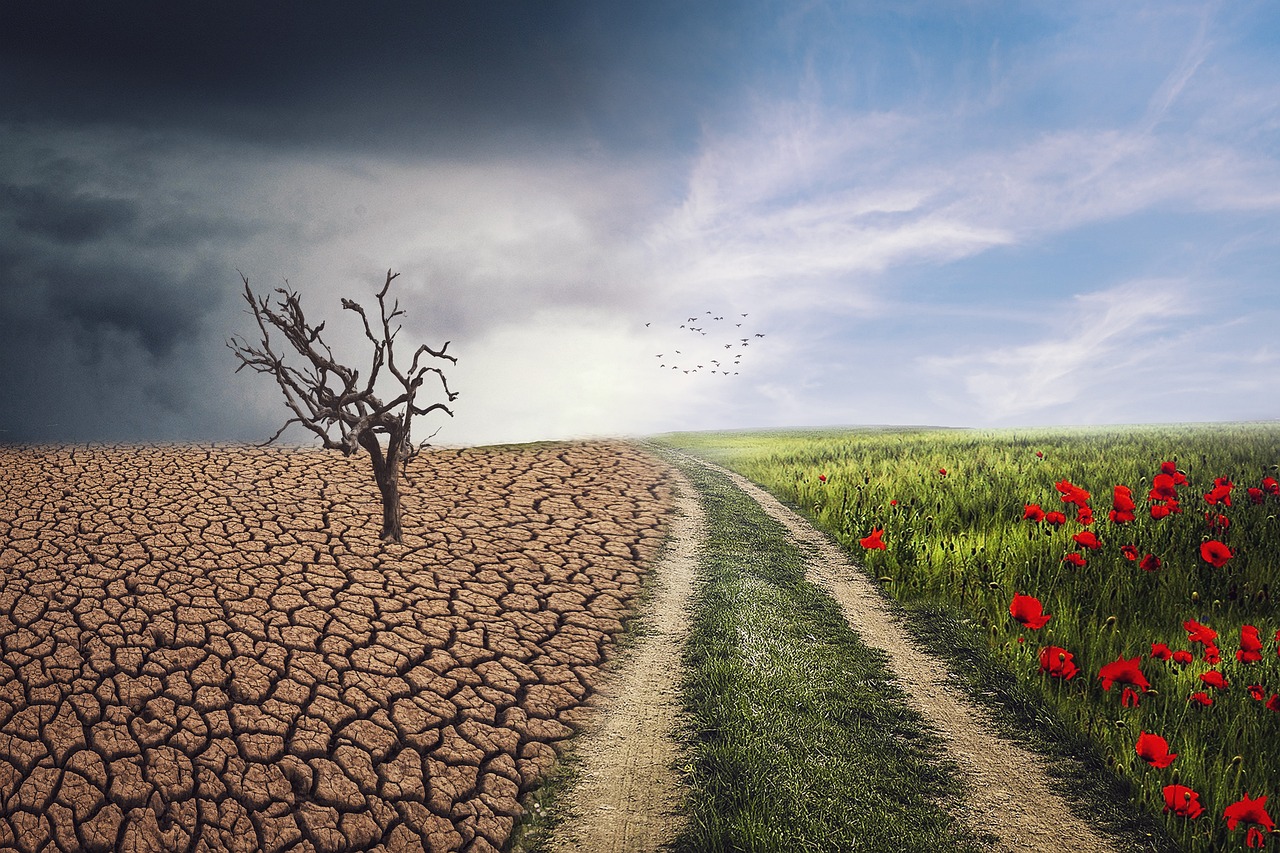
    Photo Courtesy of Pixabay

    This blog will explore the intricacies of climate change through four hands-on activities and experiments for middle school students. Students will explore the fascinating world of greenhouse gases, air pollution, melting glacial ice, and the greenhouse effect.

    1. Greenhouse Gas Edible Models

    Get ready for an exciting journey into the world of greenhouse gases! This first hands-on activity will introduce students to various greenhouse gases, including their composition, origins, and impacts. Students will construct delicious methane, ozone, chlorofluorocarbons, nitrous oxide, water vapor, and carbon dioxide models using toothpicks or cocktail sticks and colorful gummy sweets. But this isn’t just any sweet treat – each color-coded gummy represents a different atom, such as carbon, hydrogen, chlorine, oxygen, and fluorine. Guide your students by modeling the chemical structures of each greenhouse gas with your gummies. As they construct their miniature chemical structures, explain to them where each gas is released from and the negative impacts they have on our environment if released excessively. At the end of this activity, as your students eat their yummy creations, you can discuss a few simple ways that we can reduce carbon emissions. By the end of this activity, students will not only satisfy their sweet tooth but also leave with a deeper understanding of greenhouse gases and how they shape our planet. 

    2. Air Particle Experiment

    Uncover the secrets of air pollution and particles with this second experiment! Students will delve into the question: does indoor or outdoor air have more particles? Using two labeled index cards for the two different areas, smear petroleum jelly or put double-sided invisible tape in the middle of each card. Air particles will land on the sticky areas. Have your students lay their “Indoor Area” card on an open, flat surface inside the classroom; lay their “Outdoor Area” card on a flat surface outside the classroom, securing it with a rock. After 6 or 7 days, your students will compare their two cards with a magnifying glass, noting differences. This experiment aims to enlighten middle schoolers on pollution and its impact on our environment, visually witnessing its effects. 

    3. Melting Glacial Ice

    In this third activity, students will investigate the effects of water contact on melting ice and observe basic energy transfer. As climate change causes warmer temperatures to melt glaciers, the state of the glaciers becomes increasingly urgent. Students will simulate the interactions between water and ice. The materials needed for this activity are two identical plastic containers, ice cubes, room-temperature water, food coloring, and a timer. Students will first add an equal amount of colored ice cubes to each container and a small amount of water to one container. Next, they will time how long the ice cubes melt in each container. Students will eagerly observe the time and melting process as the countdown begins. Meanwhile, you can follow up with intriguing discussion questions, such as: what are the impacts of melting glaciers on Earth? Through this demonstration, students will learn the causes and effects of melting glaciers.

    4. The Tale of Two Thermometers

    In this last outdoor experiment, students will learn how certain materials trap heat. They will test what happens to the temperature of a covered glass container on a sunny day, mirroring the greenhouse effect. You must use two thermometers, a clear jar, plastic wrap, and a recording sheet. First, students will lay both thermometers for a few minutes outside and record the temperatures and time. Next comes the exciting part: they will cover one of the thermometers with plastic wrap and place it inside the jar. Then, they will place both thermometers back outside and record the temperatures every 5-10 minutes. Throughout the experiment, students will witness the greenhouse effect and gain a deeper understanding of how greenhouse gases shape our planet’s temperature.

    In conclusion, these four hands-on activities equip middle school students with a deeper understanding of the science behind climate change. Students are not only more informed but also inspired to take action towards a more sustainable future.

    By Elizabeth Antenucci

    Do you want more resources on the topic of climate change? NSTEM’s vast resources database provides thousands of searchable STEM resources by category, school level, and state. This comprehensive library includes info on enrichment activities, curricula, internships, scholarships, and more. Check out a free sampling here. Or get an NSTEM membership today to unlock the complete list. 

    Middle School is where students are transformed, entering as children and emerging as young adults. Project-based learning enrichment helps students connect the dots between STEM and real life, making math and science relevant for them and keeping them engaged and interested. With a meaningful middle school experience, students are far more likely to focus on STEM disciplines in high school and beyond. To start your 6-8 middle school chapter of the National STEM Honor Society, click here.

  • The U.S. Progress with Single-Use Plastic Bans

    The U.S. Progress with Single-Use Plastic Bans

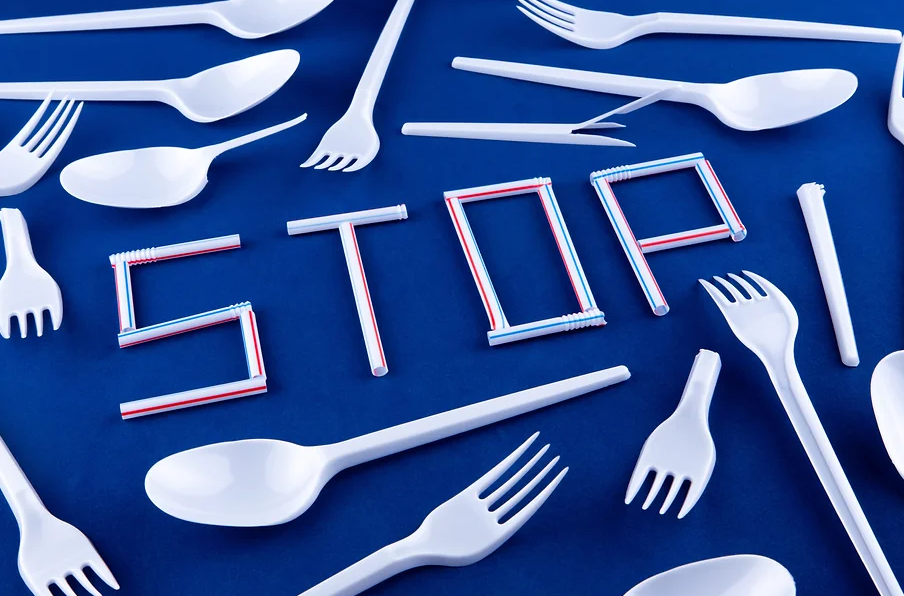
    Photo courtesy of Unsplash

    Plastic pollution was first recognized in the mid 1900s when plastic debris was beginning to be found in our oceans. Since then, plastic production has increased, but so have efforts to combat the use of plastic. However, every year around 400 million tons of plastic is produced globally. Convenience is one of the main reasons keeping plastic alive. It’s cost-effective, water resistant, and durable. However, single-use plastics (straws, plastic bottles, utensils, etc.) are discarded too easily, carelessly ending up in the streets and natural spaces where they break down into microplastics and pose a toxic threat to ecosystems, wildlife, and humans. The U.S. has one of the highest plastic consumption rates in the world. Plastic has integrated itself in our society in such a way that even though we are now aware of its harmful effects on the environment, removing even single-use plastics is proving a challenge. However, with raising awareness and implementation of plastic bans, there has been improvement among the states towards a cleaner and safer future.

    Currently, the U.S. has not placed a single-use plastic ban on a federal level, but this responsibility has been taken up by states and cities. Connecticut, California, Delaware, Hawaii, Maine, New York, Oregon, and Vermont have all placed bans on plastic bags. San Francisco was the first city to completely ban plastic bags in 2007. The rest of California implemented their plastic bag ban in 2014, and since then there has been a 70% reduction in plastic bag usage within the state. However, you can still find plastic bags in grocery stores, as rules have not been properly enforced over the past few years. New York faces a similar situation, as plastic bags were banned in the state in 2020 but some businesses still continue to distribute them; again mostly due to lax enforcement of pollution rules. Some of this can be attributed to COVID-19, which complicated efforts towards reducing plastic usage. The surge in gloves, masks, and other PPE have been detrimental to the health of our oceans. Since the beginning of the pandemic, oceans have seen more than 57 million pounds of COVID-related waste. On a brighter note, as the world is starting to recover from the effects of the pandemic, attention is returning to the effects of plastic on the environment, with stricter enforcement. The pandemic has brought to attention once again how serious the plastic pollution problem is, and the many pollution reduction policies that have been suspended or postponed are being put into effect again.

    Looking to the future, the U.S. Interior Department has stated that by 2032, single-use plastic products will be phased out of national parks and some public lands. Around 480 million acres of federal land will be under this new legislation. In an attempt to carry this out, the department is working to set up their plan of action, including installing more water fountains and influencing unsustainable public behavior for the better. This is predicted to reduce around 14 million tons of plastic that ends up in our oceans.

    Though it may be some time before plastic bans will be implemented on a federal level, the current focus should be on what can be done on a smaller scale, such as in cities and counties. Since one of the main issues is compliance to these bans, check to see if your city or state has bans already in place and actively follow the guidelines for them. You can check your local government’s website or conduct a simple search online to see what plastic reduction ordinances are put into place. It may be difficult to realize if your area is under a single-use plastic ban, so spreading the word to friends and family is an easy way to raise awareness so people can be more conscious about their plastic use choices.

    By Seaside Sustainability

    Do you want more resources on the topic of plastic? NSTEM’s vast resources database provides thousands of STEM resources that are searchable by category, school level, and state. This comprehensive library includes info on enrichment activities, curricula, internships, scholarships, and more. Check out a free sampling here. Or get an NSTEM membership today to unlock the complete list.

    Credit to Seaside Sustainability


    References

    Baxter, D. (2022, June 3). States with promising single-use plastic bans. PlantSwitch. Retrieved February 10, 2023, from https://www.plantswitch.com/single-use-plastic-ban/

    Cohen, L. (2021, November 12). More than 57 million pounds of PPE and other Covid-related plastic waste have polluted the oceans since pandemic began, study finds. CBS News. Retrieved February 11, 2023, from https://www.cbsnews.com/news/ppe-plastics-waste-polluting-ocean-covid-19-pandemic/

    Newburger, E. (2022, June 8). U.S. to ban sale of single-use plastic on public lands, national parks by 2032. CNBC. Retrieved February 10, 2023, from https://www.cnbc.com/2022/06/08/us-to-ban-sale-of-single-use-plastic-on-public-lands-national-parks-by-2032.html

    Repko, M., & Newburger, E. (2021, March 17). Covid-19 worsened the single-use plastics problem. here’s why it could also fuel solutions. CNBC. Retrieved February 9, 2023, from https://www.cnbc.com/2021/03/17/covid-19-worsened-single-use-plastics-problem-but-could-fuel-solutions.html

    Los Angeles Times. (2022, November 4). Editorial: What plastic bag ban? California stores still doling out disposable sacks. Los Angeles Times. Retrieved February 10, 2023, from https://www.latimes.com/opinion/story/2022-11-04/editorial-californias-plastic-bag-ban-not-working

    Plastic bag bans: Curbing the confusion around compliance. Broadway Industries. (2022, April 25). Retrieved February 10, 2023, from https://broadwayind.com/plastic-bag-bans-curbing-the-confusion-around-compliance/

    Plastics bans in the US: Where they are and how to comply with them. UrthPact. (2021, November 11). Retrieved February 9, 2023, from https://www.urthpact.com/plastics-bans-in-the-us-where-they-are-and-how-to-comply-with-them/

    Top 25 recycling facts and statistics for 2022. World Economic Forum. (n.d.). Retrieved February 10, 2023, from https://www.weforum.org/agenda/2022/06/recycling-global-statistics-facts-plastic-paper/

  • Eco-Empowerment: 3 Renewable Energy Activities for Middle Schoolers

    Eco-Empowerment: 3 Renewable Energy Activities for Middle Schoolers

    Photo courtesy of Pixabay

    In a world where climate change and environmental defense are some of the most pressing concerns, empowering the next generation with the knowledge and skills to tackle environmental issues is crucial. Middle schoolers are at the perfect age–their curiosity is spiking, and their capacity to grasp complex topics is growing. Engaging middle-school students in renewable energy activities educates them about sustainability and fosters a sense of empowerment and responsibility towards the planet. So, without further ado, here are three unique renewable energy activities for middle schoolers!

    1. Wind Power

    This activity showcases the renewable energy form of wind power. First, middle schoolers create their anemometers from limited materials like cardboard, paper cups, and pushpins. Then, they use these anemometers to measure approximate wind speeds in their area. They can use this information to discover how well wind turbines would work in the students’ area that day. Then, students can understand the pros and cons of wind power and learn how to measure wind speed independently!

    Activity link: Wind Power – Teachengineering.org

    Materials needed: paper cups, push pins, modeling clay, cardboard, scissors, a stapler, markers, and stopwatches.


    2. Build Your Own Hydro-Turbine

    In this activity, students will learn about hydroelectricity and the power of water. First, they will put together a model water turbine out of materials like cardboard and soda bottles. Then, they will test out their waterwheels by pouring water on them and observing how they respond. This will show students how hydro turbines spin to create electricity! Discuss with them how the wheel’s spinning generates energy that can be turned into electric power. Through this activity, students can better understand the renewable energy source of hydroelectricity!

    Activity link: Build a Hydro-turbine – Teachengineering.org

    Materials needed: 2-liter soda bottles, scissors, duct tape, wooden dowels, string, cardboard, plastic wrap, water, and stopwatches.


    3. Solar Oven S’mores

    This activity allows middle schoolers to explore solar energy in a fun and tasty way–s’mores! First, students will create an insulated, reflective “oven” from a cardboard box. This box will use the sun’s rays to conduct heat and eventually make enough heat to melt the marshmallows and chocolate on s’mores. This activity is a fun way to show students the true power of the sun and how it can be used to harness energy for many applications. With sweet treats included, this activity will surely be a hit!

    Activity link: Solar Oven S’mores – Climatekids.nasa.gov

    Materials needed: a cardboard box with a lid, aluminum foil, clear plastic wrap, glue sticks, tape, a stick, a straightedge, and a box cutter.

    By Tyler King


    Empowering middle schoolers with knowledge and hands-on experience with renewable energy creates a deeper understanding of environmental defense. It instills a sense of responsibility in creating a more sustainable future. With practical activities like these three, students can become eco-empowered individuals ready to take on the vast world of environmental conservation!

    Do you want more resources on the topic of renewable energy activities? NSTEM’s vast resources database provides thousands of searchable STEM resources by category, school level, and state. This comprehensive library includes info on enrichment activities, curricula, internships, scholarships, and more. Check out a free sampling here. Or get an NSTEM membership today to unlock the complete list. 

    Middle school is where students are transformed, entering as children and emerging as young adults. Project-based learning enrichment helps students “connect the dots” between STEM and real life, making math and science relevant for them and keeping them engaged and interested. With a meaningful middle school experience, students are far more likely to focus on STEM disciplines in high school and beyond. To start your 6-8 middle school chapter of the National STEM Honor Society, click here.
  • Kickstart Your Middle School Composting Journey: 3 Essential Projects to Begin Now

    Kickstart Your Middle School Composting Journey: 3 Essential Projects to Begin Now

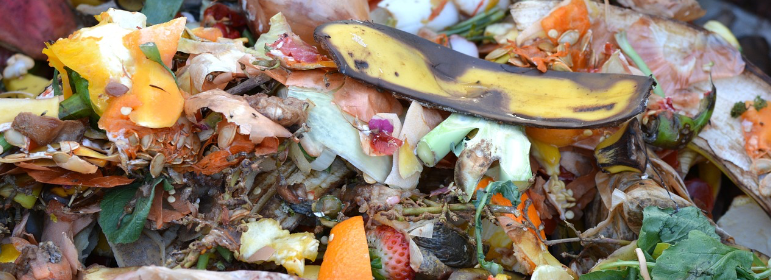
    Photo courtesy of Pixabay

    Middle school is a pivotal time for young learners to engage with hands-on learning experiences that shape their understanding of the world. An impactful endeavor to embark on today is a composting journey. Composting reduces waste and teaches important lessons about environmental sustainability and the interconnectedness of ecosystems and organisms. If you are a middle school teacher eager to introduce composting to your students, here are three essential projects to kickstart your composting journey!

    1. Compost in a Bag

    In this activity, middle schoolers will make compost out of organic material such as food. First, they’ll create an Earth-like environment with dead plants, food, and soil in a Ziploc bag. Then, they will mist their materials thoroughly with water and close them tightly to contain the moisture. After waiting for the contents to decompose in the sunlight outside, students will see the effects of real-life composting. This activity showcases the fantastic nature of biodegradation, a crucial process for Earth’s productivity!

    Activity link: Compost Bags – Agclassroom.org

    Materials needed: Ziploc bags, tape, decaying materials, scissors, soil, spray bottles, and gloves.


    2. Plant Growth Comparison

    In this activity, middle schoolers will compare the total growth and growth rates of plants grown in regular soil vs. plants grown in compost. First, they will plant seeds of the same variety in a pot of each substrate. After waiting for them to grow and documenting their growth progressions, students will see the difference between plants grown in regular soil vs. compost. This activity is a hands-on way for students to discover the nutrient-filled nature of compost!

    Activity link: Plant Growth Comparison – Huffpost.com

    Materials needed: plant seeds, pots, soil, compost, and water.


    3. Environmental Lunch

    This activity for middle schoolers involves discovering what students can actually turn into compost from their school lunches. After bringing in their trash from lunch, they will find just how many items in their lunchboxes are compostable. They will then log these materials to understand how they can work towards more sustainable lunches! This activity is an excellent method to show middle schoolers exactly how to pick compostable and non-compostable materials.

    Activity link: Environmental Lunch (Activity 3) – Cvswmd.org

    Materials needed: lunch discards, four buckets, and markers.


    With these three essential projects, your middle schoolers can start a rewarding composting journey that reduces waste and cultivates a culture of environmental awareness and responsibility. It is so important for students these days to understand the power of ecosystems and ecological interactions. So, let’s turn organic waste into a valuable resource and nurture a greener, more sustainable future for generations to come!

    By Tyler King

    Do you want more resources on the topic of composting activities? NSTEM’s vast resources database provides thousands of searchable STEM resources by category, school level, and state. This comprehensive library includes info on enrichment activities, curricula, internships, scholarships, and more. Check out a free sampling here. Or get an NSTEM membership today to unlock the complete list. 

    Middle School is where students are transformed, entering as children and emerging as young adults. Project-based learning enrichment helps students “connect the dots” between STEM and real life, making math and science relevant for them and keeping them engaged and interested. With a meaningful middle school experience, students are far more likely to focus on STEM disciplines in high school and beyond. To start your 6-8 middle school chapter of the National STEM Honor Society, click here.
  • Green Sprouts: 3 Sustainable Science Activities for K-2 Students

    Green Sprouts: 3 Sustainable Science Activities for K-2 Students

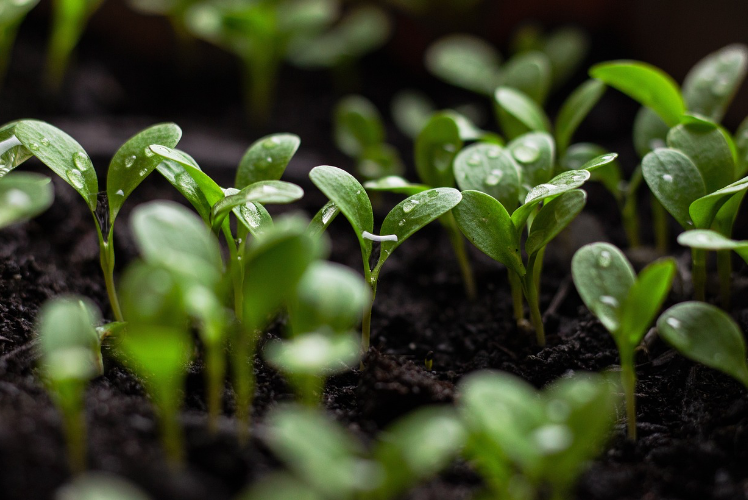
    Photo courtesy of Pixabay

    In today’s world, instilling a sense of environmental stewardship in young learners is crucial. With many concerns about sustainability and renewability, empowering children with the knowledge and tools to protect our future is critical. Promoting sustainability through education is just one way to do that! So, this blog post will explore three sustainable science activities for kindergarten to second-grade students that will empower young minds to foster our planet and care for our future.

    1. Watering Leaves

    In this activity, elementary schoolers learn how water travels through leaves! First, students snip off the bottom of a leaf stem. Then, they place their leaf in a glass filled with water. After adding red food coloring to the water and waiting a couple of days, the veins of the leaves turn visibly red from their water intake. This experiment is an excellent demonstration for elementary school students to understand how plants stay alive and work to maintain our planet’s health!

    Activity link: Watering Leaves – Buggyandbuddy.com

    Materials needed: leaves, scissors, clear cups, water, and red food coloring.


    2. Growing Beans in a Bag

    In this activity, elementary schoolers explore the growth of beans in a controlled environment. First, students place beans into a paper towel within a Ziploc bag. Then, they zip the bag shut to allow the seeds to grow. With some regular watering, these beans will sprout into entirely new plants! Throughout this project, young learners can keep track of their plant’s growth and explore differing growth rates between beans. This experiment showcases the incredible nature of plant reproduction.

    Activity link: Growing Beans – Communityplaythings.co.uk

    Materials needed: plant seeds, beans, Ziploc bags, permanent markers, paper towels, and water.


    3. Compost in a Bottle

    In this activity, elementary schoolers will make compost out of organic material. First, they’ll create an Earth-like environment with dead plants and soil in a bottle. Then, they will spray their materials with water and close them tightly to contain the moisture. After placing the bottle somewhere warm, students will see their materials turn to compost. This activity showcases the fantastic nature of biodegradation, a crucial process for Earth’s productivity!

    Activity link: Compost in a Bottle – Growinghealthykids.co.uk

    Materials needed: 2-liter bottles, garden soil, shredded paper, fruit and vegetable peelings, hedge trimmings, water, cello tape, sharp scissors, and permanent markers.


    Engaging students in sustainable science enhances their school learning experiences and cultivates a fantastic commitment to environmental stewardship. Activities such as bean-growing experiments, recycling relay races, and composting in bottles can inspire kindergarten to second-grade students to become the next generation of environmentally conscious leaders. With these three sustainable science activities, students will be empowered to positively impact the planet and create a more sustainable future for future generations!

    By Tyler King

    Do you want more resources on the topic of sustainable science activities? NSTEM’s vast resources database provides thousands of searchable STEM resources by category, school level, and state. This comprehensive library includes info on enrichment activities, curricula, internships, scholarships, and more. Check out a free sampling here. Or get an NSTEM membership today to unlock the complete list. 

    K-2 is where it all starts with STEM education. The National STEM Honor Society focuses on “From K to Career, NSTEM from the Start!” To start your K-2 Chapter of the National STEM Honor Society, click here.
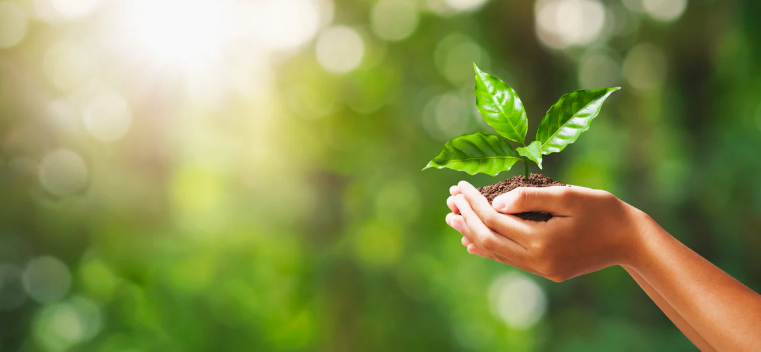
  • Eco Explorers: 3 Green Adventures for Grades 3-5

    Eco Explorers: 3 Green Adventures for Grades 3-5

    Photo Courtesy of tirtyl.com.au

    Are you ready to embark on eco-friendly adventures that ignite young minds and cultivate a passion for environmental stewardship? In this blog, we’ll explore three captivating environmental science activities tailored for grades 3-5 students. Each activity fosters a deeper understanding of environmental science and nurtures critical thinking and problem-solving skills essential for our future stewards of the Earth.

    1. Recycling Relay Race

    How It Works:

    Divide students into teams and set up stations representing different recyclable materials (e.g., paper, plastic, aluminum). Each team member must race to the correct bin and sort a designated item before passing the baton to the next teammate. The first team to successfully sort all items wins!

    What It Teaches:

    The Recycling Relay Race teaches students the importance of proper waste management and recycling practices. Students learn to identify common materials and understand their recyclability by actively sorting recyclables. This activity promotes environmental awareness and responsible consumption habits.

    Why It’s Important:

    Encouraging recycling habits from a young age instills lifelong behaviors, contributing to waste reduction and conservation efforts. By emphasizing teamwork and quick thinking this activity instills a sense of collective responsibility for protecting our planet’s resources by emphasizing teamwork and quick thinking.


    2. Nature Scavenger Hunt

    How It Works:

    Provide students with a list of natural items to find in their surroundings, such as leaves, rocks, insects, or animal tracks. Students can explore outdoor areas like school grounds, parks, or nature trails to hunt for these items. Offer bonus points for identifying unique specimens or observing wildlife in their habitats.

    What It Teaches:

    The Nature Scavenger Hunt immerses students in hands-on exploration of their natural environment, fostering curiosity and appreciation for biodiversity. Through observation and discovery, students learn about the interconnectedness of living organisms and their ecosystems, highlighting the importance of preserving biodiversity for a sustainable future.

    Why It’s Important:

    Connecting with nature promotes environmental stewardship by fostering empathy and respect for the natural world. Students develop a sense of wonder and curiosity by engaging in outdoor activities like scavenger hunts, laying the foundation for future conservation efforts and ecological advocacy.


    3. Eco-Friendly Engineering Challenge

    How It Works:

    Challenge students to design and build eco-friendly structures or devices using recycled materials. For example, students can construct miniature solar ovens, wind turbines, or water filtration systems using materials like cardboard, plastic bottles, and aluminum foil. Encourage creativity and innovation in their designs.

    What It Teaches:

    The Eco-Friendly Engineering Challenge integrates principles of STEM (Science, Technology, Engineering, and Mathematics) with environmental consciousness. By designing and building sustainable solutions to real-world problems, students learn about renewable energy, resource conservation, and the engineering design process.

    Why It’s Important:

    Empowering students to tackle environmental challenges through engineering fosters innovation and problem-solving skills essential for addressing global sustainability issues. By repurposing materials and harnessing clean energy technologies, students contribute to a more sustainable future while honing their creative and analytical abilities.


    These engaging environmental science activities provide valuable opportunities for students to explore, learn, and take action in support of a greener future. By incorporating hands-on experiences that promote critical thinking and environmental stewardship, we can inspire the next generation of Eco Explorers to impact our planet positively. Consider starting an NSTEM chapter at your school to enrich students’ learning experiences and empower them to become leaders in environmental conservation efforts.

    By Srihitha Sunkara

    Do you want more resources on the topic of environmental science activities? NSTEM’s vast resources database provides thousands of searchable STEM resources by category, school level, and state. This comprehensive library includes info on enrichment activities, curricula, internships, scholarships, and more. Check out a free sampling here. Or get an NSTEM membership today to unlock the complete list. 

    Grades 3-5 continue the STEM education journey, where students are interested in the natural world and how things work, responding to stories told by teachers that give purpose and meaning to STEM disciplines and molding them into thinkers, problem solvers, and creators. The National STEM Honor Society sees grades 3-5 as a critical point in the NSTEM journey. To start your grade 3-5 chapter of the National STEM Honor Society, click here.