
Category: k-2

  • 3 Family Activities to Boost Your K-2 Child’s STEM Experience

    3 Family Activities to Boost Your K-2 Child’s STEM Experience

    Photo Courtesy of Pixabay

    The K-2 age range is an excellent time to introduce children to STEM topics, but it can be challenging to know where to start. This blog will discuss three exciting family activities to boost your K-2 child’s STEM experience.

    1. Storybook Engineering

    Pick a kid’s book where the protagonists have to use STEM-related ideas to tackle a problem or issue. The Three Little Pigs short story and Rosie Revere, Engineer by Andrea Beaty are great examples. After finishing the book, discuss the scientific and engineering concepts presented in the narrative. Then, using practical exercises, ask your youngster to visualize or reproduce a portion of the tale. For example, students may utilize various materials to make a more robust house for the three little pigs or design and build an innovation for one of the characters. Storybook engineering stimulates young children’s creativity and problem-solving abilities, blending STEM inquiry with storytelling.


    2. Outdoor Math and Nature Exploration

    Along the way, add science and math activities to your child’s outdoor activity or nature walk. You could ask them to measure and approximate the lengths of different sticks or rocks or count and categorize the kinds of leaves they find. Urge children to examine the natural environment closely and pose questions about their encounters. Also, you can introduce fundamental scientific ideas like recognizing various animal footprints or noting variations in the weather. This practical learning opportunity fosters scientific inquiry and curiosity and strengthens mathematics abilities.


    3. STEAM Art Projects

    You can incorporate art into STEM education with STEAM (Science, Technology, Engineering, Art, and Mathematics) programs that prioritize creativity and innovation. Give your kids some tools, like cardboard boxes, recyclables, markers, and art supplies, and set a task to construct a structure or make an artwork based on a given issue or theme. For instance, kids could build a model of a robot, design and decorate a spaceship, or paint a picture of a garden while talking about the function of pollinators in ecosystems. Encourage your child to integrate parts of science and art into their project and think critically about their chosen designs. Through this activity, learners are encouraged to develop interdisciplinary thoughts and make connections between many subjects.


    Through these exciting and developmentally appropriate activities, young children can be introduced to STEM topics while developing their critical thinking, problem-solving, and curiosity abilities.

    By Gayathri Narayanan

    Do you want more resources on the topic of family activities? NSTEM’s vast resources database provides thousands of searchable STEM resources by category, school level, and state. This comprehensive library includes info on enrichment activities, curricula, internships, scholarships, and more. Check out a free sampling here. Or get an NSTEM membership today to unlock the complete list. 

    K-2 is where it all starts with STEM education. The National STEM Honor Society focuses on “From K to Career, NSTEM from the Start!” To begin your K-2 Chapter of the National STEM Honor Society, click here.


  • 3 Ways to Foster Imagination and Problem-Solving Skills in K-2 STEM Education

    3 Ways to Foster Imagination and Problem-Solving Skills in K-2 STEM Education

    Photo courtesy of Google Images

    Are you an educator looking for ways to foster imagination and problem-solving skills in K-2 STEM education? This blog will discuss three effective techniques that can help young students develop essential analytical skills and foster a love for STEM. 

    1. Project-Based Learning with Open-Ended Challenges

    Implement project-based learning activities where students face open-ended tasks or issues to solve. These problems require critical thinking and innovative problem-solving abilities.

    What to do? Provide pupils with materials to construct a basic bridge capable of supporting a specific weight. Encourage them to try new designs, test their structures, and adapt their strategy based on the outcomes.

    Why? This learning technique divides the project into manageable sections so students can brainstorm ideas, create designs, make prototypes, test solutions, and reflect on their learning. Encourage participation and input from peers throughout the process.


    2. Inquiry-Based Exploration and Discovery

    Inquiry-based learning experiences promote curiosity and critical thinking. Encourage kids to learn about STEM ideas via hands-on activities, experiments, and investigations.

    What to do? Provide magnifying glasses and several things for children to examine attentively. Encourage children to ask questions about their observations, create predictions, and undertake modest experiments to test their theories.

    Why? This technique walks students through the scientific inquiry process, which includes inquiring, observing, predicting, experimenting, and assessing outcomes. Encourage them to share their discoveries and reasoning, developing critical thinking and communication skills.


    3. Integration of Arts and Creativity in STEM Activities

    Through inquiry-based learning activities, students may develop their curiosity and critical thinking. Encourage kids to discover STEM ideas via hands-on activities, experiments, and investigations. 

    What to do? Give kids magnifying glasses and several things to examine attentively. Encourage children to ask questions about their observations, create predictions, and conduct modest experiments to evaluate their theories.

    Why? This exercise guides students through the scientific inquiry process, which includes inquiring, observing, predicting, experimenting, and assessing outcomes. Encourage students to share their discoveries and reasoning, improving critical thinking and communication skills.


    By implementing these three precise techniques into K-2 STEM instruction, educators may instill imagination and problem-solving abilities in young students, laying a solid basis for their academic and personal development.

    By Gayathri Narayanan

    Do you want more resources on the topic of K-2 STEM education? NSTEM’s vast resources database provides thousands of searchable STEM resources by category, school level, and state. This comprehensive library includes information on enrichment activities, curricula, internships, scholarships, and more. Check out a free sampling here. Or get an NSTEM membership today to unlock the complete list. 

    K-2 is where it all starts with STEM education. The National STEM Honor Society focuses on “From K to Career, NSTEM from the Start!” To begin your K-2 Chapter of the National STEM Honor Society, click here.

  • Frosty Fun: 3 Winter STEM Activities for Kindergarteners

    Frosty Fun: 3 Winter STEM Activities for Kindergarteners

    Photo courtesy of Pixabay

    With winter’s cold weather and snowy precipitation, nature becomes a playground for young minds to learn. Kindergarteners will especially enjoy this season as curiosity becomes a beautiful motivation to explore. From building igloos to making frozen bubbles, here are three winter STEM activities to spark inspiration and excitement in your kindergarten students!

    1. Building Igloos

    In this activity, kindergarten students explore the engineering behind igloo construction using toothpicks and marshmallows. They will create an igloo structure with their materials and learn how to engineer a stable structure using limited resources. This activity can even become a competition, with the winner receiving a prize! This project allows students to get hands-on with a creative winter STEM project they’ve never tried before.

    Activity link: Building Igloos – Lemonlimeadventures.com

    Materials needed: marshmallows and toothpicks.


    2. Arctic Animal Insulation

    This activity demonstrates to kindergarten students how different Arctic animals stay warm. First, teachers will prepare a bowl of icy water. Then, students put gloves on, dip their hands in shortening, and put them in the water. Because of the fat in the shortening, their hands will stay warm! This experiment will teach kindergarteners about the biological adaptations of Arctic animals that live in cold environments.

    Activity link: Arctic Animals – Icanteachmychild.com

    Materials needed: a bowl of ice water, shortening, latex gloves, and plastic wrap.


    3. Frozen Bubbles

    This activity allows kindergarten students to experiment with a fan-favorite activity: bubbles! In this experiment, students will blow bubbles in a cold environment outside. Then, as the bubbles float or land, they will watch as they freeze with thin layers of ice. This experiment is a unique way to pique kindergarteners’ curiosity while also showing them about freezing points and changes in states of matter.

    Activity link: Frozen Bubbles – Firefliesandmudpies.com

    Materials needed: bubble solution and bubble wands.


    Winter brings various learning opportunities and explorations for learners of all ages. With its beautiful and joyous nature, winter is the season of experimentation. Incorporating these engaging STEM activities into your kindergarten curriculum can ignite a passion for learning and creativity in your young learners. So bundle up, grab your mittens, and get ready to try these three engaging STEM activities for kindergarteners!

    By Tyler King

    Do you want more resources on the topic of winter STEM activities? NSTEM’s vast resources database provides thousands of STEM resources that are searchable by category, school level and state. This comprehensive library includes info on enrichment activities, curricula, internships, scholarships and more. Check out a free sampling here. Or get an NSTEM membership today to unlock the complete list. 

    K-2 is where it all starts with STEM education. The National STEM Honor Society focuses on “From K to Career, NSTEM from the Start!” To start your K-2 Chapter of the National STEM Honor Society, click here.

  • These 4 Influential Elementary School Websites Are Great for STEM Learning Acceleration!

    These 4 Influential Elementary School Websites Are Great for STEM Learning Acceleration!

    Photo Courtesy of Flickr

    Collecting resources to help your students as an elementary school teacher can be challenging, but if you are looking for influential websites great for STEM learning acceleration, look no further. We’ll dive into four such resources and how they can help your students in and outside the classroom. Here are four comprehensive elementary school websites.

    1. National Geographic Kids

    The National Geographic Kids website allows your students to learn more about science and social studies through games, videos, and eye-catching activities. Their game sections enable students to enjoy learning about various topics like biology. This website is an excellent resource for elementary teachers looking to engage their students while helping them learn more about nature and animals in a fun way.


    2. Smithsonian’s History Explorer

    Smithsonian’s History Explorer website is an exceptional resource for students to learn more about history through lessons, interactive media, and activities. The filtering system is particular, so searches by grade, resource type, and historical era are easy to find. You can find plenty of ready-to-reach lessons from this site to engage your students in American history, prepare to teach lessons from this site, and engage students in history.


    3. Zearn Math

    With Zearn, your young students can learn from hundreds of math lessons, including warm-ups, lesson-specific skills, and guided practice with interactive video lessons. Video lessons involve both students and teachers to help your class learn. As a teacher, you can access the curriculum from their dashboard, the option to try out the digital student interactives, and a student report to help track student progress. Zearn is an outstanding way for your students to learn more about math, no matter which kind or what level they are on. The built-in lessons are an asset to understanding and helping your students grow.


    4. Scratch

    Scratch is an educational elementary school website MIT’s Lifelong Kindergarten Group created that teaches block-based coding language. Your students will learn all about how to code and the intricacies of computer programming and science. There are a whole host of activities: creating variables, building functions, using snap drag-and-drop blocks of code together to create programs for animation, digital storytelling, and so much more. This website is a great way to encourage your students to become interested in careers in computer science and learn how to code and create animations.


    These are just some influential elementary school websites can help push your students further in their education. These websites are of great help and a perfect way to help map out lesson plans and have resources for your use so you can keep encouraging your student’s academic growth.

    By Rameen Naviwala

    Do you want more resources on the topic of elementary school websites? NSTEM’s vast resources database provides thousands of searchable STEM resources by category, school level, and state. This comprehensive library includes info on enrichment activities, curricula, internships, scholarships, and more. Check out a free sampling here. Or get an NSTEM membership today to unlock the complete list. 

    K-2 is where it all starts with STEM education. The National STEM Honor Society focuses on “From K to Career, NSTEM from the Start!” To begin your K-2 Chapter of the National STEM Honor Society, click here.

  • Calling All Parents! 3 Innovative Methods to Be Involved in Your Child’s STEM Education

    Calling All Parents! 3 Innovative Methods to Be Involved in Your Child’s STEM Education

    Photo Courtesy of Flickr

    Are you a parent looking for ways to participate in your child’s STEM education? Look no further for methods to be involved in your child’s STEM education in ways that can only push forward their academic careers. Remaining engaged with your children’s education encourages them to move forward and to take a more active role in their education. With encouragement from their parents, they can be set up for success. Here are three innovative methods to be involved in your child’s STEM education.

    1. Places To Visit

    When time abides, take your idle children to visit museums or parks. Visiting sites essential for education is a beneficial alternative to watching television. At museums, they can learn historical processes and several concepts. On nature walks, they can learn about flora and fauna. At STEM offices, they can speak to professionals and job shadow work in related disciplines. These are meaningful and efficient ways to encourage your children to invest themselves in STEM.


    2. Challenges

    Another way to remain active in your child’s STEM education is by developing daily challenges that can induce critical thinking skills. Use everyday problems as an opportunity to get your child’s problem-solving gears working healthily. You can even engage them in hypothetical situations if you choose not to present a realistic problem, which can exercise creativity. This simple practice will aid children in their academic life and career aspirations in the future.


    3. Spatial Learning Activities

    Kids enjoy tinkering with everyday objects; their curiosity leads them to. Promoting that urge to take things apart and understand their system allows them to develop spatial awareness and geometric skills that can assist in mathematics. Legos can encourage an interest in building complex structures. Enable them to learn the different mechanics of these items and help spark a passion for this.


    These are just some innovative methods to participate actively in your child’s STEM education. There are many more ways to be involved in your child’s life and encourage them throughout their academic journey. One way is joining your local NSTEM chapter or starting a chapter in your school.

    By Rameen Naviwala

    Do you want more resources on the topic of methods to be involved in your child’s STEM education? NSTEM’s vast resources database provides thousands of searchable STEM resources by category, school level, and state. This comprehensive library includes info on enrichment activities, curricula, internships, scholarships, and more. Check out a free sampling here. Or get an NSTEM membership today to unlock the complete list. 

    K-2 is where it all starts with STEM education. The National STEM Honor Society focuses on “From K to Career, NSTEM from the Start!” To begin your K-2 Chapter of the National STEM Honor Society, click here.
  • These 4 First-Grade Field Trips Can Make a Difference!

    These 4 First-Grade Field Trips Can Make a Difference!


    Photo Courtesy of Flickr

    First-grade field trips can be a transformative educational experience for young learners, especially as they dive into STEM learning. Field trips allow one to step outside the classroom and explore the world in a way that textbooks and lectures cannot replicate. There are multiple field trips that students can take that will engage them in hands-on learning, spark their curiosity, and leave a lasting impression. From nature to historical landmarks, here are four first-grade STEM field trips that will engage your first-grade students.

         1. The Kennedy Space Center

    A field trip to the Kennedy Space Center can be an exciting and educational adventure for first-grade students that allows them to learn about the broader universe that surrounds us. It’s an opportunity for your students to explore the wonders of space, science, and history in a way that’s both educational and awe-inspiring. They will learn about the Space Shuttle Atlantis Exhibit, the Rocket Garden, talk to astronauts, and more as they explore space. Students will learn, research, and dream, making it a significant and determining experience in a child’s education and future aspirations.

         2. A National Park

    Taking your students to any national park can help them to the beauty of nature and the importance of conservation. Your students can explore the great outdoors and learn more about the diverse ecosystems. They go on nature walks or tours, learn more about the park in its visitor center, observe wildlife up close and personal, and even join the Junior Ranger Program if available. A field trip to a national park offers your first-grade students a unique opportunity to connect with nature and gain a greater appreciation for the outdoors. It is a chance for them to learn about the environment, engage in outdoor activities, and develop a sense of wonder and respect for the natural world.

         3. A Skyscraper

    While this may seem different from your typical STEM field trip, taking your students to a skyscraper can give them a new appreciation for the complexities of engineering that allow for the feat of a building to be created. Teach them the design and history behind the building and even encourage them to mock up a drawing of their skyscraper. To enhance the lesson, create an assignment where they make skyscrapers out of toothpicks or popsicle sticks. This field trip will help your students understand engineering better and how it is integrated into their daily lives, such as the buildings they live in and go to school.

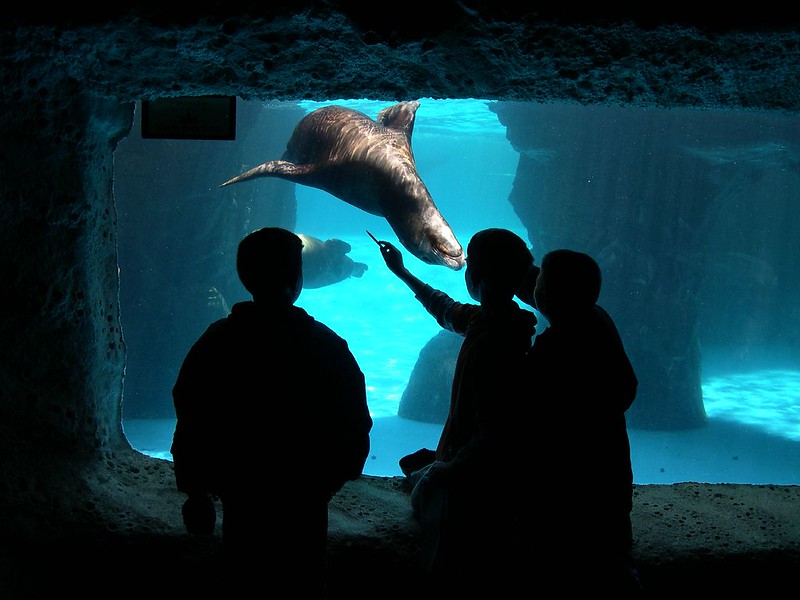
         4. An Aquarium

    If you want your students to learn more about marine biology and gain insight into the vast ocean surrounding us, an aquarium is the perfect place. Your students will not only love seeing all the sea creatures, but they will learn about the various ecosystems in the ocean and their importance. This field trip can foster a love for marine life that can turn into a successful career for your students.


    Field trips can be eye-opening to young children, such as first-grade students, for many reasons, mainly how they help them realize who they want to be when they grow up. That is why it is essential to plan educational trips that allow them to gain knowledge on various facets of STEM careers. The Kennedy Space Center, a national park, a skyscraper, and an aquarium are thrilling field trips you can add to your learning curriculum and take your students to.

    By Rameen Naviwala

    Do you want more resources on the topic of  STEM field trips? NSTEM’s vast resources database provides thousands of STEM resources that are searchable by category, school level, and state. This comprehensive library includes info on enrichment activities, curricula, internships, scholarships, and more. Check out a free sampling here. Or get an NSTEM membership today to unlock the complete list. 

    K-2 is where it all starts with STEM education. The National STEM Honor Society focuses on “From K to Career, NSTEM from the Start!” To begin your K-2 Chapter of the National STEM Honor Society, click here.